


Wordle Answer Craze Continues as Puzzle #1789 Challenges Players Worldwide
For millions of players around the globe, the daily ritual begins the same way: open Wordle, type a five-letter guess, and hope the familiar green and yellow tiles start revealing a path to victory. But on Wednesday, May 13, Wordle puzzle #1789 delivered a tougher-than-usual challenge that left many players scrambling for clues.
The answer to today’s Wordle was “DOWDY,” an old-fashioned adjective describing someone or something plain, unfashionable, or drab. While the word itself may not appear often in everyday conversation, its unusual structure and repeated letters made it one of the more difficult puzzles in recent days.
A Daily Puzzle That Became a Global Habit
Since its explosive rise in late 2021, Wordle has transformed from a simple online word game into a global cultural phenomenon. Created by software engineer Josh Wardle, the puzzle asks players to guess a hidden five-letter word within six attempts.
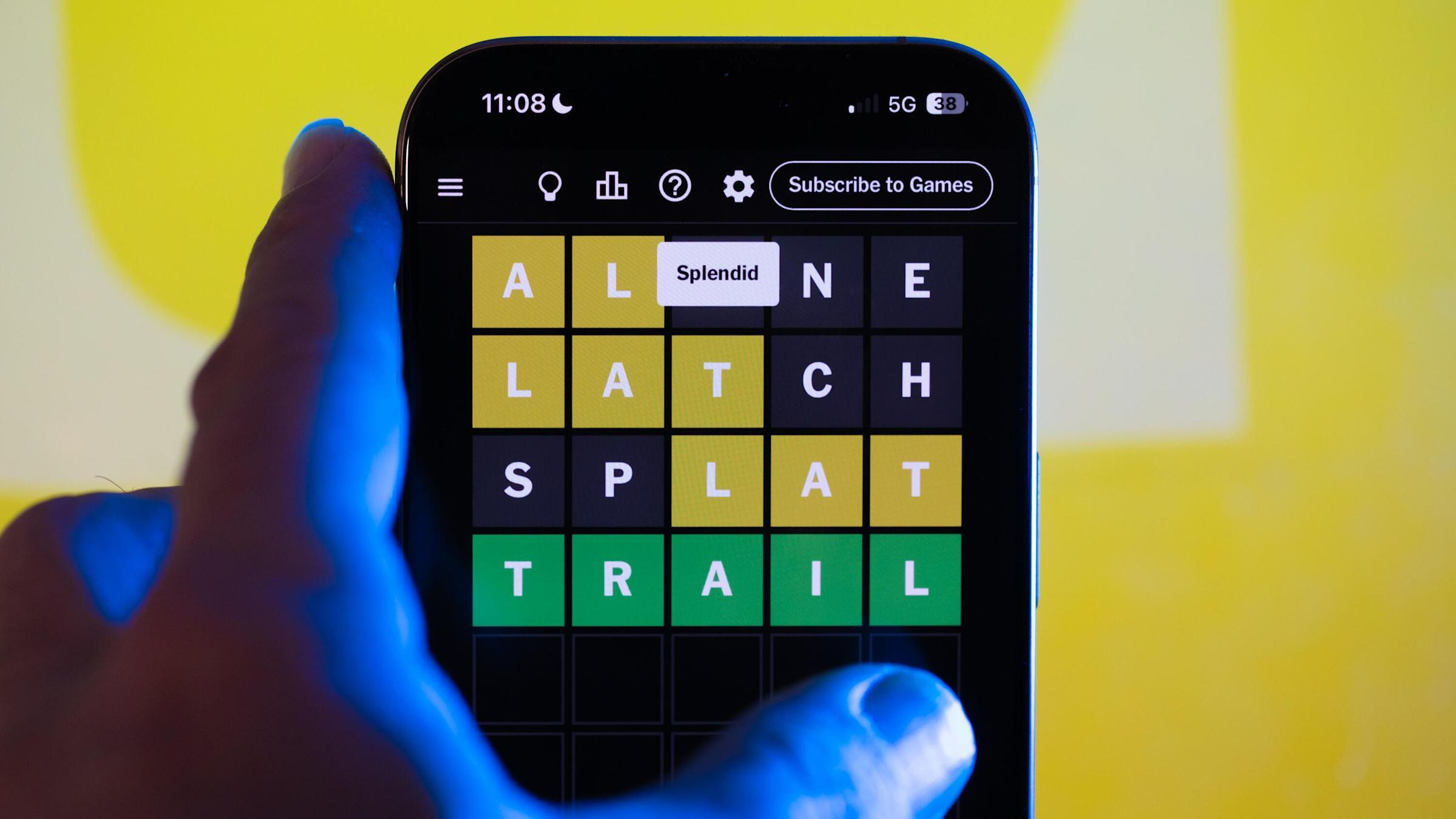
The game’s mechanics are deceptively simple:
- Green tiles indicate a correct letter in the correct position
- Yellow tiles show a correct letter in the wrong spot
- Gray tiles mean the letter does not appear in the word
That simplicity helped Wordle spread rapidly across social media, especially because players could share their results using spoiler-free emoji grids. The game eventually became so influential that The New York Times acquired it in early 2022 for an undisclosed amount.
According to reports, players collectively played Wordle more than 5.3 billion times in 2024, highlighting just how deeply the puzzle has embedded itself into internet culture.
Why Today’s Wordle Was So Difficult
Puzzle #1789 frustrated many players because it combined several characteristics that traditionally make Wordle answers harder to solve.
The word “DOWDY” contains:
- A repeated consonant
- Only one traditional vowel (“O”)
- An uncommon “Y” ending
- An old-fashioned vocabulary choice
Several gaming and tech publications described the puzzle as especially tricky. One report noted that many players struggled because the word “just isn’t a word many people use regularly anymore.”
Another analysis described the puzzle as featuring a “double-D gut punch” that punished players relying heavily on vowel-heavy opening guesses like “AUDIO” or “ADIEU.”
The New York Times Wordle review reportedly estimated an average solve rate of 4.8 guesses, placing the puzzle among the tougher daily challenges this month.
The Clues That Guided Players
Hints shared across multiple Wordle guide platforms painted a consistent picture of the answer without revealing it outright.
Common clues included:
- “Plain or unfashionable”
- “An old-fashioned word for someone who isn’t fashionable”
- “The opposite of chic or trendy”
- “Drab or outdated attire”
Players were also warned about:
- A repeated letter
- An unusual vowel arrangement
- A word ending in “Y”
For seasoned players, those hints narrowed the field significantly. For newcomers, however, the puzzle proved more intimidating.
The Meaning and Origins of “Dowdy”
Although rarely used in modern casual speech, “dowdy” has a long linguistic history.
The adjective generally describes a person, outfit, or appearance that seems:
- Old-fashioned
- Unstylish
- Plain
- Shabby
- Lacking elegance
Historical language references trace the word back to at least the 17th century, possibly derived from older Middle English terms associated with untidy or plainly dressed women.
Over time, the word evolved into a broader description for anything perceived as frumpy or unfashionable.
Interestingly, the sound of the word itself has contributed to its staying power in English vocabulary. Language experts often note that “dowdy” sounds almost exactly like what it describes — dull, heavy, and awkward.
Strategy Lessons Hidden Inside Today’s Puzzle
Every difficult Wordle puzzle teaches players something about strategy, and puzzle #1789 was no exception.
Experts analyzing today’s game pointed out several important lessons:
1. Don’t Over-Rely on Vowel-Heavy Openers
Popular starting words like “ADIEU” or “AUDIO” are designed to identify vowels quickly. But today’s answer contained only one traditional vowel, making those guesses far less effective.
2. Repeated Letters Matter
Many players avoid guessing repeated letters early in the game because statistically they appear less often. However, puzzles like “DOWDY” punish that assumption.
Repeated consonants remain one of the most effective ways Wordle increases difficulty without changing the game’s basic rules.
3. Vocabulary Breadth Still Matters
Some Wordle puzzles depend more on deduction. Others test vocabulary familiarity. “DOWDY” leaned heavily toward the latter.
Even players who uncovered the correct letter pattern reportedly hesitated before submitting the answer because the word felt unfamiliar.
Wordle’s Enduring Cultural Power
More than four years after becoming a viral sensation, Wordle continues to dominate online puzzle culture.
Its appeal comes from several factors:
- One puzzle per day creates anticipation
- The shared answer encourages community discussion
- The six-guess limit keeps games short
- Social sharing builds friendly competition
The game has also inspired countless spin-offs, including:
- Quordle
- Connections
- Strands
- Mini Crossword variants
- Themed puzzle adaptations
Yet Wordle itself remains the flagship experience.
For many players, maintaining a long winning streak has become part of their daily routine. Missing a difficult word like “DOWDY” can feel surprisingly devastating for longtime fans.
The Psychology Behind Wordle’s Success
Part of Wordle’s enduring popularity lies in its balance between challenge and accessibility.
Unlike massive multiplayer games or complex strategy titles, Wordle requires:
- No downloads
- No expensive hardware
- No long tutorials
- Only a few minutes per day
That simplicity allows players of all ages to participate equally.
At the same time, difficult puzzles like #1789 generate emotional highs and lows that keep engagement strong. A tough word often sparks conversation online, with players comparing strategies, frustrations, and lucky guesses.
The social aspect is now inseparable from the game itself.
What Comes Next for Daily Puzzle Games?
The continued popularity of Wordle suggests daily puzzle ecosystems are far from fading.
Gaming analysts increasingly view short-form puzzle games as part of a larger trend toward:
- Habit-based gaming
- Casual daily engagement
- Social competition without toxicity
- Low-commitment entertainment
The New York Times has expanded heavily into this space, integrating Wordle alongside crossword puzzles, Connections, Strands, and other brain games.
As long as players continue opening their browsers at midnight hoping to preserve their streaks, Wordle’s influence appears secure.
And after today’s unusually tricky puzzle, many fans will likely approach tomorrow’s game with a little more caution.
Because in Wordle, even a simple five-letter word can still surprise millions.


