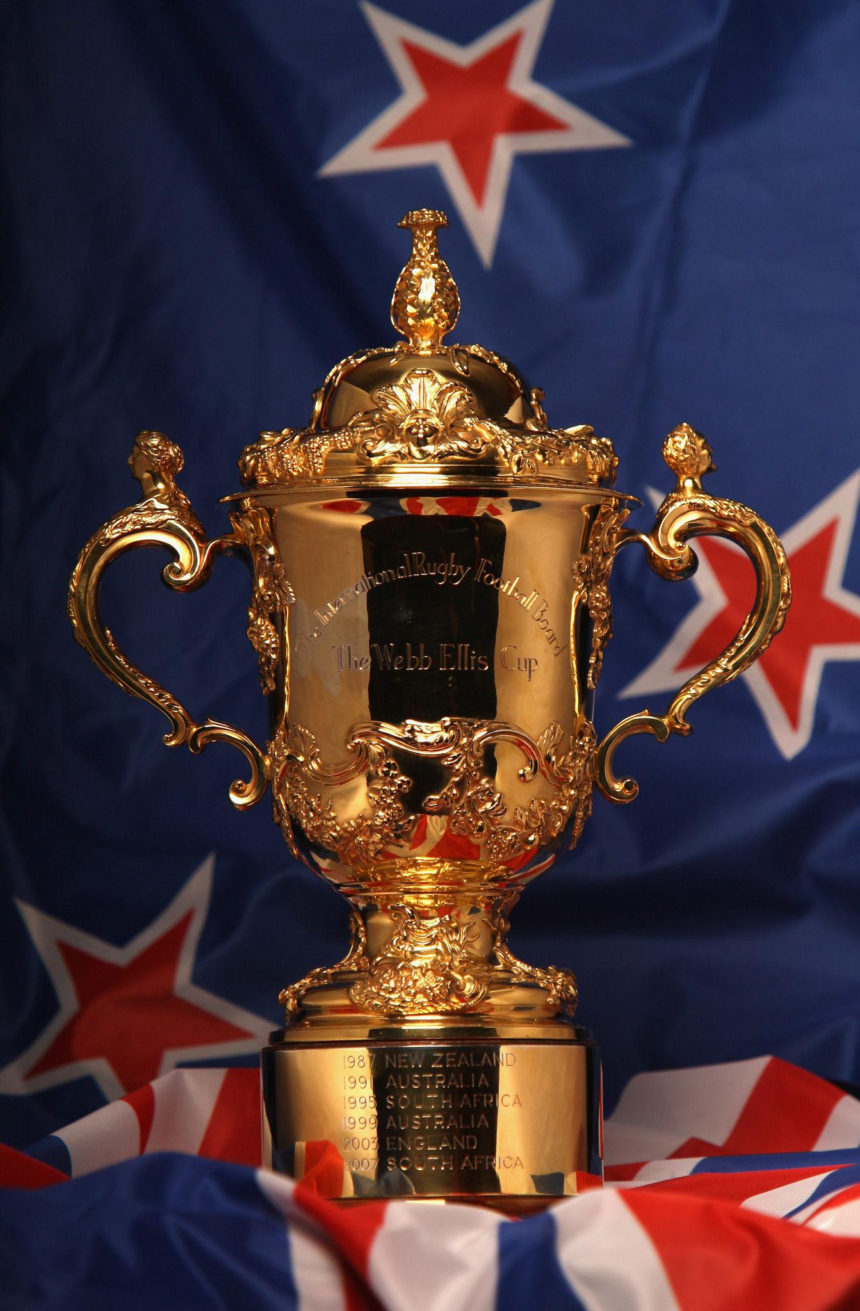
Men’s Rugby World Cup Faces a Defining Era of Growth, Drama and Scrutiny
The men’s Rugby World Cup has long been rugby union’s ultimate stage — a tournament where historic rivalries, emerging nations and global ambitions collide every four years. But as the sport moves deeper into the second half of the decade, the Rugby World Cup is entering one of the most consequential periods in its history.
From the USA Men’s Eagles chasing relevance on the global stage to preparations intensifying for Rugby World Cup 2027 in Australia, the competition is expanding beyond its traditional powerhouses. Yet alongside the excitement, the sport is also confronting one of its largest anti-doping scandals ever, raising difficult questions about integrity and governance at the highest level of international rugby.
The modern men’s Rugby World Cup story is no longer only about trophies. It is increasingly about globalization, commercial growth, player welfare, fan engagement, and the battle to protect the credibility of the sport itself.
Rugby’s Biggest Tournament Continues to Expand
For decades, the Rugby World Cup was dominated by traditional rugby nations such as New Zealand, South Africa, England, Australia and France. But recent years have shown how rapidly the competitive landscape is evolving.
Teams outside rugby’s historic elite are becoming more ambitious and more competitive. Georgia has emerged as the highest-ranked men’s team in Europe outside the Six Nations. Japan transformed global perceptions with its thrilling style and historic victories. The United States continues trying to grow rugby’s visibility ahead of future global tournaments.
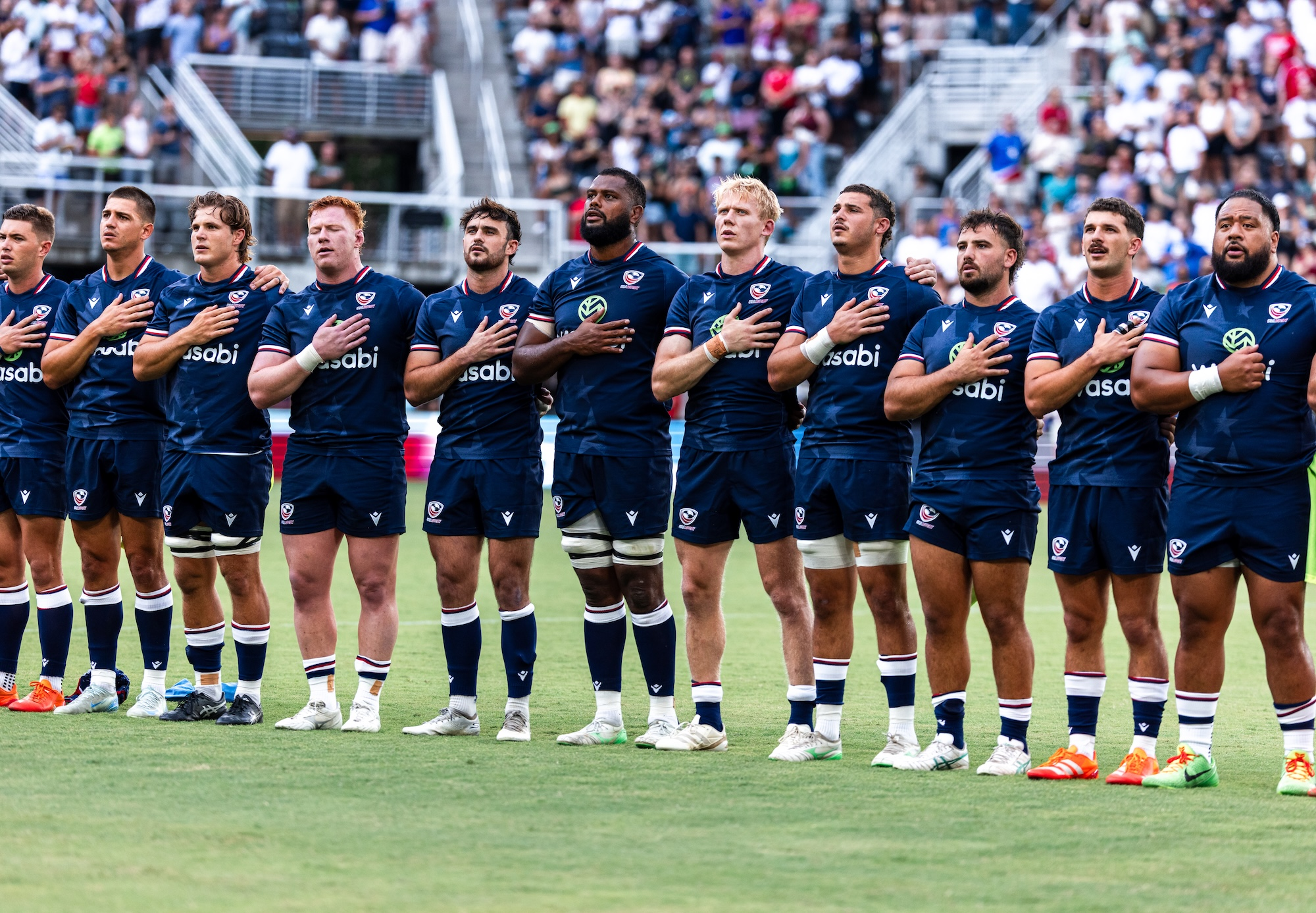
USA Rugby’s recent campaigns have reflected that growing ambition. The Men’s Eagles secured qualification for Rugby World Cup 2025 and documented their journey through the “Flying With Eagles” series, which followed preparations, international tours and major clashes against countries including England, Australia, Fiji, Samoa, Canada and Japan.
The rise in digital storytelling around the tournament has become increasingly important. Instead of fans only seeing the World Cup every four years, federations now create year-round engagement through behind-the-scenes documentaries, highlight packages and player-focused content.
That shift reflects rugby’s broader effort to compete in an increasingly crowded global sports market.
USA Rugby and the Push for International Relevance
For USA Rugby, the Rugby World Cup represents more than sporting competition — it is a chance to establish rugby union as a mainstream sport in the American market.
The Men’s Eagles’ recent schedule has showcased the intensity of modern international rugby. Match highlights against Australia, England, Fiji, Samoa and Japan illustrate how the United States is increasingly testing itself against elite opposition while attempting to build consistency at the highest level.
USA Rugby has also leaned heavily into branding and fan engagement. The organization’s messaging emphasizes “Leading and empowering America, to embrace the Rugby experience,” reflecting a broader strategy to make rugby more accessible to American audiences.
That matters because the Rugby World Cup is no longer only judged by attendance figures or television audiences in traditional rugby countries. Global growth now depends on expanding into new markets — especially North America and Asia.
The United States, in particular, is viewed as a critical long-term opportunity for World Rugby due to its massive sports economy, media potential and infrastructure.
Rugby World Cup 2027 Is Already Reshaping the Sport
Even before Rugby World Cup 2027 officially begins, the tournament is already influencing international scheduling, coaching strategies and infrastructure planning.
Australia will host the competition, and preparations are intensifying across multiple nations.
One of the most talked-about upcoming fixtures is Japan versus Ireland in Newcastle in July 2026 — a match positioned as a key step toward Rugby World Cup 2027 readiness. The fixture highlights how nations are using high-profile international tests to sharpen squads ahead of the next global tournament.
Japan’s “Brave Blossoms” remain one of rugby’s most fascinating success stories. Their fast-paced style, tactical intelligence and giant-killing reputation have helped expand rugby’s popularity throughout Asia.
Ireland, meanwhile, enters the next World Cup cycle as one of the sport’s strongest and most tactically sophisticated sides. The country’s consistent performances have elevated expectations, even as fans continue waiting for a deep breakthrough at a Rugby World Cup knockout stage.
The Japan-Ireland clash also demonstrates another growing reality: Rugby World Cup preparation now involves far more than player selection.
Cities, venues and local governments increasingly view these fixtures as economic opportunities.
According to tournament-related discussions surrounding Newcastle’s hosting ambitions, officials see rugby as a vehicle for tourism, infrastructure investment and international prestige.
Eddie Jones and the Tactical Arms Race
Modern Rugby World Cups are heavily influenced by elite coaching philosophies, and few figures embody that reality more than Eddie Jones.
Now leading Japan again, Jones remains one of rugby’s most recognizable strategists. Discussions surrounding Japan’s preparation emphasize speed, conditioning, tactical discipline and squad depth as central priorities ahead of Rugby World Cup 2027.
Across international rugby, coaching staffs increasingly rely on analytics, video breakdowns and detailed performance data.
The modern Rugby World Cup has become an arms race of tactical innovation.
Every scrum sequence, defensive line speed pattern and kicking strategy is analyzed in microscopic detail. Teams no longer simply prepare for opponents — they prepare for dozens of specific in-game scenarios.
Ireland’s structured possession-based approach, Japan’s tempo-driven game, South Africa’s physical dominance and New Zealand’s attacking fluidity all reflect how stylistically diverse the modern tournament has become.
That diversity is one reason the men’s Rugby World Cup continues attracting new global audiences.
The Georgia Doping Scandal Shakes World Rugby
Yet while the sport is trying to grow internationally, it is also dealing with a crisis that threatens its integrity.
World Rugby and the World Anti-Doping Agency (WADA) recently concluded what was described as “the most extensive anti-doping investigation ever undertaken in rugby.”
The case centered on Georgia’s national rugby program and involved a urine-swapping scheme designed to manipulate anti-doping controls before the 2023 Rugby World Cup.
Former Georgia captain Merab Sharikadze received an 11-year ban after investigators found evidence that he provided “clean” urine samples to teammates.
Additional sanctions included:
- Giorgi Chkoidze — six-year ban
- Lasha Khmaladze — three-year suspension
- Otar Lashkhi — three-year suspension
- Miriani Modebadze — three-year suspension
- Lasha Lomidze — nine-month ban
- Team doctor Nutsa Shamatava — nine-year ban
Investigators found that players received advance notice of out-of-competition tests through group chats managed by the national team doctor.
Importantly, World Rugby stated there was no evidence the substitutions were used to conceal performance-enhancing drugs. Instead, investigators found “credible evidence” suggesting the players were attempting to hide the use of cannabis and tramadol.
Still, the scandal has sent shockwaves through international rugby.
Georgia had become one of rugby’s major development success stories — a country outside the traditional power structure that consistently challenged stronger opponents and built passionate local support.
Now, the scandal threatens that reputation.
WADA president Witold Banka described the situation as “a scandal for Georgian sport,” while World Rugby chief executive Alan Gilpin said the investigation demonstrated the governing body’s commitment to protecting clean competition.
The fallout has already extended beyond rugby. WADA confirmed the Georgian government withdrew recognition of the country’s anti-doping agency and is establishing a replacement organization with entirely new personnel.
Rugby’s Integrity Challenge
The timing of the scandal is particularly significant because rugby is trying to expand commercially and culturally at unprecedented speed.
A growing global audience brings increased sponsorships, media deals and investment opportunities. But it also places greater pressure on governing bodies to maintain credibility.
Unlike football or basketball, rugby union has historically marketed itself around values such as respect, discipline and sportsmanship. Any major integrity scandal therefore carries outsized reputational risk.
The Georgia case also raises broader questions about player welfare and pain management in elite rugby.
Tramadol — one of the substances reportedly concealed in the investigation — has become a controversial issue in professional sports due to concerns about dependency and misuse among athletes managing chronic physical pain.
As the game becomes more physically demanding, governing bodies face increasing scrutiny regarding how players recover, medicate and maintain performance standards during long international seasons.
The Rugby World Cup’s Global Future
Despite the controversy, rugby’s global momentum continues accelerating.
World Rugby sees enormous opportunity in expanding the men’s game across North America, Asia and emerging European markets. Japan’s continued rise, the United States’ investment in elite competition, and Australia’s preparation for Rugby World Cup 2027 all point toward a tournament becoming more international than ever before.
Broadcasting growth is also transforming the sport.
Digital series such as “Flying With Eagles,” behind-the-scenes documentaries and social media-driven fan engagement are reshaping how supporters interact with international rugby.
Meanwhile, host cities increasingly view Rugby World Cup fixtures as major tourism and economic catalysts.
The tournament is evolving into a broader global entertainment property — one competing not just with other rugby events, but with international football tournaments, Formula One weekends and Olympic-style spectacles for worldwide attention.
A Tournament at a Crossroads
The men’s Rugby World Cup stands at a fascinating crossroads.
On one side is unprecedented growth: expanding fanbases, emerging rugby nations, stronger commercial partnerships and a rapidly modernizing global image.
On the other is the reality that international expansion also magnifies scrutiny. Governance failures, anti-doping controversies and integrity breaches can quickly damage the sport’s credibility.
Yet perhaps that tension reflects rugby’s evolution.
The sport is no longer operating in a smaller, insulated environment. It is becoming a truly global competition with all the opportunities — and pressures — that come with worldwide visibility.
As Rugby World Cup 2027 approaches, the game faces a defining challenge: maintaining rugby’s traditional identity while adapting to the demands of a modern international sports industry.
The coming years may determine whether the men’s Rugby World Cup becomes one of the world’s premier sporting events — or whether the pressures of globalization expose deeper structural weaknesses within the sport itself.