Oppo Find X10 Pro Max Camera Details Leaked: Oppo’s Boldest Camera Phone Yet?
The smartphone industry’s race toward bigger sensors, sharper zoom, and DSLR-style imaging may be entering a new phase. Fresh leaks surrounding the upcoming Oppo Find X10 Pro Max suggest the company is preparing one of the most ambitious camera systems ever attempted on a flagship smartphone.
- A New Leak Paints a Clearer Picture
- Triple 200MP Cameras Could Redefine Smartphone Photography
- Why Sensor Size Matters More Than Megapixels
- The Role of the 3MP Multispectral Sensor
- Hasselblad Partnership Could Continue
- Display Options Still Under Evaluation
- MediaTek’s 2nm Era May Begin Here
- Oppo’s Growing Ambition in Mobile Imaging
- Competition in the Ultra-Flagship Segment Is Intensifying
- The Biggest Question: Can Oppo Deliver?
- Final Thoughts
At the center of the rumors is a headline-grabbing specification: a possible triple 200MP rear camera setup, backed by unusually large sensors and powered by MediaTek’s next-generation 2nm flagship chipset. If the leaked details prove accurate, Oppo could be positioning the Find X10 Pro Max as a direct challenger to ultra-premium camera phones from Samsung, Xiaomi, and Vivo.
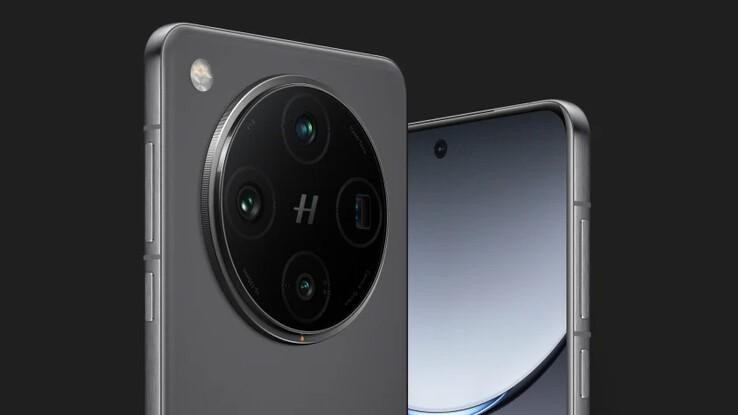
A New Leak Paints a Clearer Picture
The latest information comes from well-known tipster Digital Chat Station, who shared extensive details about the rumored device’s imaging hardware. According to the leak, the Oppo Find X10 lineup is expected to include three devices:


- Oppo Find X10
- Oppo Find X10 Pro
- Oppo Find X10 Pro Max
The Pro Max model is reportedly the flagship centerpiece of the series and may launch in China around October 2026.
What immediately stands out is the scale of the camera hardware being tested.


Triple 200MP Cameras Could Redefine Smartphone Photography
The rumored Find X10 Pro Max may feature:
- 200MP primary camera with a 1/1.3-inch sensor
- 200MP periscope telephoto camera using a 1/1.28-inch sensor
- 200MP ultrawide camera with a 1/1.56-inch sensor
- Additional 3MP multispectral sensor
According to leaks, Oppo is also testing an alternative ultrawide setup using a smaller 50MP 1/2.75-inch sensor instead of the 200MP option.
That means the final production model may not necessarily ship with three 200MP sensors, but Oppo is clearly experimenting aggressively with high-resolution imaging hardware.
Why Sensor Size Matters More Than Megapixels
While “200MP” sounds impressive on paper, industry experts often emphasize that sensor size plays a bigger role in image quality than resolution alone.


The leaked specifications are notable because Oppo is reportedly using large sensors across all focal lengths, not just the main camera.
That could provide several advantages:
Better Low-Light Photography
Larger sensors capture more light, improving:
- Night photography
- Dynamic range
- Shadow detail
- Noise reduction
Stronger Telephoto Performance
The rumored 1/1.28-inch periscope sensor would be unusually large for a zoom lens. Most smartphone telephoto cameras rely on much smaller sensors due to space limitations.
If Oppo achieves this hardware combination successfully, the phone could deliver:
- Sharper portraits
- Better background separation
- Improved zoom detail
- Higher-quality close-range telephoto shots
Flagship-Level Ultrawide Imaging
Ultrawide cameras often lag behind primary sensors in quality. A 200MP ultrawide sensor could help reduce that gap significantly, especially for:
- Landscape photography
- Architecture shots
- Group photos
- Video stabilization and cropping
The Role of the 3MP Multispectral Sensor
The leaked 3MP multispectral sensor may sound minor compared to the 200MP cameras, but it could play a crucial supporting role.
According to reports, the sensor is intended to improve:
- Colour accuracy
- White balance
- Skin tones
- Highlight management
- Scene analysis
Similar technology has appeared on earlier Oppo flagship devices, particularly in collaboration with imaging partners focused on computational photography enhancements.
Hasselblad Partnership Could Continue
Although Oppo has not officially confirmed camera branding for the Find X10 series, leaks suggest the company may continue its partnership with Hasselblad, which has already appeared on previous Find-series flagships.
That partnership has previously introduced:
- Film simulation modes
- Professional colour tuning
- Specialized portrait effects
- Advanced camera filters
If retained, Hasselblad’s software tuning could become especially important given the complexity of Oppo’s rumored imaging hardware.
Display Options Still Under Evaluation
The leaks also indicate Oppo may still be deciding between two display configurations:
Option 1
- 6.89-inch LTPO display
- 2K resolution
Option 2
- 6.78-inch LTPO display
- 1.5K resolution
Both panels are expected to use LTPO technology for adaptive refresh rate control and improved battery efficiency.
The larger 2K display would position the Find X10 Pro Max among the most premium Android flagships on the market, while the smaller 1.5K option could help improve battery life and thermal management.
MediaTek’s 2nm Era May Begin Here
Beyond cameras, the Find X10 Pro Max could also become one of the first smartphones powered by MediaTek’s upcoming Dimensity 9600-series chipset.
The chip is rumored to use an advanced 2nm manufacturing process, potentially delivering major improvements in:
- Power efficiency
- AI processing
- Gaming performance
- Heat management
- Battery life
Leaks suggest the chipset may debut around the same time as the Find X10 series later this year.
If accurate, this would mark a major milestone for MediaTek as it continues competing more aggressively with Qualcomm in the flagship smartphone market.
Oppo’s Growing Ambition in Mobile Imaging
Oppo has steadily transformed its Find series into a showcase for experimental camera technologies.
Recent generations have emphasized:
- Computational photography
- AI-assisted image processing
- Periscope zoom systems
- Custom image signal processors
- Premium industrial design
The rumored Find X10 Pro Max appears to push that strategy even further.
Rather than relying solely on software enhancements, Oppo seems increasingly focused on pairing advanced algorithms with genuinely large imaging hardware — a combination that could appeal strongly to photography enthusiasts.
Competition in the Ultra-Flagship Segment Is Intensifying
If Oppo launches the device with the rumored specifications intact, the Find X10 Pro Max would likely compete directly with:
- Samsung Galaxy S Ultra series
- Vivo X-series camera flagships
- Xiaomi Ultra devices
- Honor Magic flagship phones
The competition is becoming especially fierce in the area of mobile photography, where brands are now prioritizing:
- Large sensors
- Variable apertures
- AI image processing
- Periscope zoom systems
- Dedicated imaging chips
Oppo’s rumored triple-200MP approach could become one of the boldest attempts yet to differentiate itself in that battle.
The Biggest Question: Can Oppo Deliver?
As exciting as the leaks sound, several details remain uncertain.
Oppo is reportedly still testing:
- Different ultrawide sensors
- Multiple display configurations
- Final camera tuning approaches
That means specifications could change before launch.
There are also engineering challenges involved in fitting:
- Multiple large sensors
- Advanced cooling systems
- Large batteries
- High-end display panels
into a practical smartphone body.
Still, the leaks suggest Oppo is aiming far beyond incremental yearly upgrades.
Final Thoughts
The Oppo Find X10 Pro Max is shaping up to be one of the most intriguing smartphone releases of 2026. With rumors pointing to triple 200MP cameras, large imaging sensors, a possible 2K LTPO display, and a next-generation 2nm chipset, Oppo appears determined to compete at the very top of the premium flagship market.
Whether all these features survive into the final retail device remains to be seen. But if even most of the leaked hardware becomes reality, the Find X10 Pro Max could emerge as one of the most advanced camera-focused smartphones ever released.
For now, the leaks offer a glimpse into where flagship Android phones may be headed next: bigger sensors, smarter computational photography, and increasingly aggressive imaging innovation.