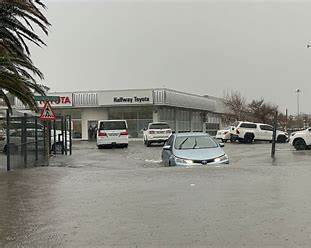
Western Cape Storm Crisis Deepens as Schools Close and Flooding Disrupts Daily Life
The Western Cape is facing one of its most disruptive early winter weather events in recent years, with deadly storms, severe flooding, school closures, transport disruptions, and widespread damage affecting communities across Cape Town, George, Franschhoek, Khayelitsha, and surrounding regions.
Authorities issued multiple weather warnings as intense rainfall, gale-force winds, and flash floods battered the province, forcing the Western Cape Education Department (WCED) to close all schools on Tuesday, 12 May 2026. The decision came after severe weather conditions escalated overnight, leaving thousands stranded, damaging homes and infrastructure, and claiming lives.
The unfolding crisis has once again highlighted the vulnerability of informal settlements, transport networks, and public infrastructure during extreme weather events in South Africa’s winter rainfall region.
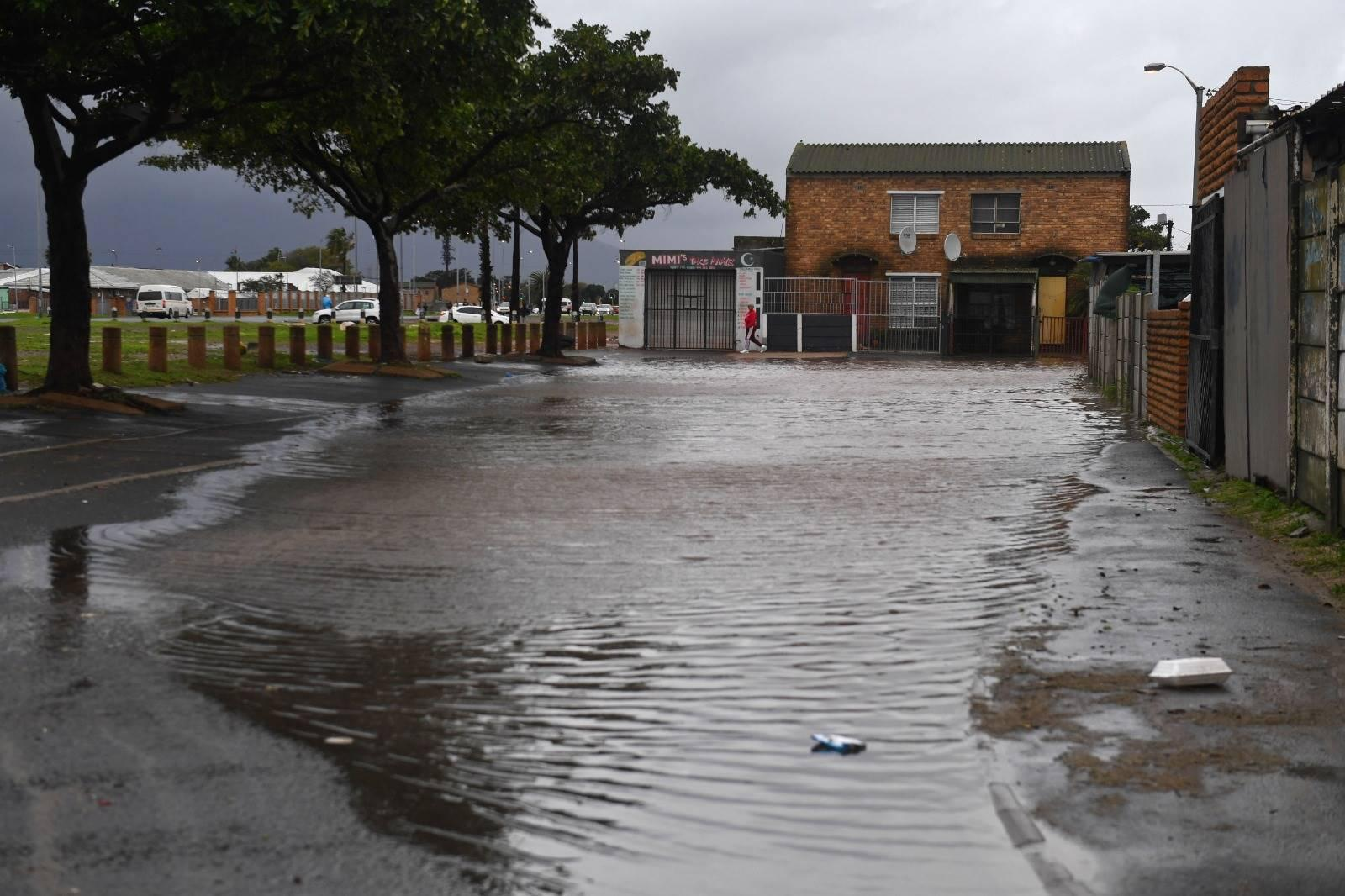
Severe Western Cape Weather Leaves Communities Reeling
The storms intensified across the province late Monday into Tuesday, bringing torrential rainfall and dangerous flooding conditions to large parts of the Western Cape.
Officials confirmed that at least five people died as a result of the severe weather. According to Western Cape Disaster Management head Colin Deiner, some victims were swept away while attempting to cross rivers, while others were killed by falling trees.
In Cape Town and surrounding municipalities, emergency services responded to hundreds of distress calls as roads flooded, roofs were ripped off homes, and electricity outages spread across affected communities.
The Provincial Disaster Management Centre reported that thousands of residents were affected, particularly those living in low-lying informal settlements.
Ground reports described devastating scenes across several communities:
- Homes submerged in floodwater
- Roads becoming impassable
- Trees collapsing onto vehicles and houses
- Residents stranded without food or electricity
- Schools and transport services severely disrupted
The weather system is expected to continue impacting the province, with authorities warning that additional rainfall could worsen already dangerous conditions.
WCED Orders Province-Wide School Closures
One of the most significant developments during the crisis was the decision by the Western Cape Education Department to close all schools across the province.
Initially, authorities announced the closure of 122 schools in the Cape Winelands and 11 schools in the Eden and Central Karoo districts. However, as rainfall intensified and conditions deteriorated rapidly, an additional 227 schools were shut down before the province-wide closure was confirmed.
Western Cape Education MEC David Maynier said the decision followed consultations with the Provincial Disaster Management Centre and weather authorities.
“Our default position is to keep all schools open,” said Maynier.
“But in light of heavy storms, rains and flash floods, we have decided to close schools for today only.”
The WCED also advised early childhood development centres to suspend operations while safety assessments continue.
Officials said conditions would be monitored closely to determine whether closures would need to be extended beyond Tuesday.
Cape Town Weather Today: Flooding, Wind Damage and Chaos
Cape Town experienced some of the most severe impacts from the storm system.
The City’s Disaster Risk Management Centre reportedly received more than 930 emergency calls within just a few hours as conditions rapidly worsened.
Several suburbs and informal settlements were heavily affected, including:
- Khayelitsha
- Philippi
- Delft
- Gugulethu
- Wynberg
- Mitchells Plain
- Hanover Park
- Imizamo Yethu
- Nomzamo
- Lwandle
Residents described terrifying scenes as roofs collapsed under heavy winds and floodwaters entered homes during the early morning hours.
In Wynberg, one resident said his pregnant wife was in bed when the roof of their home suddenly collapsed.
Elsewhere, residents used buckets throughout the night to remove water from flooded homes while others sought refuge with relatives after being displaced.
Emergency responders also warned of dangerous live electrical wires in flooded areas and urged residents to avoid unnecessary travel.
The City of Cape Town estimated that around 6,000 residents — most living in informal settlements — had been directly affected by the severe weather event.
George Weather and Garden Route Areas Also Impacted
The Eden and Central Karoo regions, including George and surrounding municipalities, also faced severe disruptions.
Authorities confirmed that roads in several areas sustained flood damage, with local municipalities working to assess the extent of infrastructure destruction.
Photographs from affected areas showed:
- Damaged road surfaces
- Flooded intersections
- Washed-away embankments
- Dangerous driving conditions
George Municipality teams reportedly remained on high alert as weather warnings continued across the Garden Route region.
Emergency management officials warned motorists against attempting to cross flooded roads or rivers, emphasizing that many fatalities during severe weather events occur when drivers underestimate water depth and current strength.
Transport Disruptions and Diverted Routes
The storms also created major disruptions to transportation across the province.
The N1 highway near Worcester had to be closed due to dangerous flooding conditions, forcing authorities to reroute heavy trucks onto the N7.
Motorists were advised to delay travel where possible and seek shelter as weather conditions remained unpredictable.
Flight operations in the region were also affected, with earlier reports indicating disruptions linked to dangerous weather conditions around Cape Town and other Western Cape airports.
Authorities warned that continued rainfall and strong winds could lead to additional delays and diversions.
Informal Settlements Face the Worst of the Crisis
As has happened during previous Western Cape winter storms, informal settlements suffered some of the most severe consequences.
Communities including Langrug, Makhaza, Riverside informal settlement, and Malema informal settlement experienced extensive flooding.
Many residents lost furniture, clothing, school books, and appliances after water entered their homes overnight.
One resident in Philippi described the emotional toll of repeated winter flooding:
“It is not even June yet, but we are experiencing such floods. All my clothing and those of my children, and their books are wet. This is the kind of life we are experiencing in an informal settlement. Every winter this happens.”
Aid organization Gift of the Givers said it had been overwhelmed with requests for emergency assistance from communities across the Cape Metro, Drakenstein, and Franschhoek regions.
The organization worked alongside disaster management teams to provide emergency support to displaced residents.
Why Western Cape Weather Warnings Matter
The latest storm system is another reminder of the growing importance of early weather warnings and disaster preparedness in South Africa.
The South African Weather Service issued multiple severe weather alerts ahead of the storm, warning residents about:
- Heavy rainfall
- Gale-force winds
- Flash flooding
- Dangerous travel conditions
- Potential infrastructure damage
Climate specialists have repeatedly warned that extreme weather events are becoming more frequent and more intense in southern Africa.
The Western Cape’s combination of mountainous terrain, coastal weather systems, and densely populated informal settlements makes the province particularly vulnerable during winter storm seasons.
Experts say proactive evacuation plans, improved drainage systems, stronger housing infrastructure, and better emergency coordination will become increasingly critical in future years.
Emergency Services Remain on High Alert
Disaster management teams across the province continue to monitor conditions as another frontal system approaches the region.
Authorities warned that flooding risks remain elevated because saturated ground conditions make additional rainfall especially dangerous.
Residents have been urged to:
- Avoid flooded roads and rivers
- Stay indoors where possible
- Monitor official weather updates
- Report emergencies immediately
- Prepare for possible further disruptions
Schools, municipalities, and emergency services are expected to continue assessments throughout the week.
For many communities, recovery from the storm may take weeks, especially in areas where homes and infrastructure have been heavily damaged.
The severe weather crisis has once again exposed the deep social and infrastructure vulnerabilities that emerge during extreme climate events — particularly for poorer communities already struggling with housing insecurity and inadequate drainage systems.
As the Western Cape braces for additional rain, officials say public cooperation and caution will remain essential in preventing further loss of life.