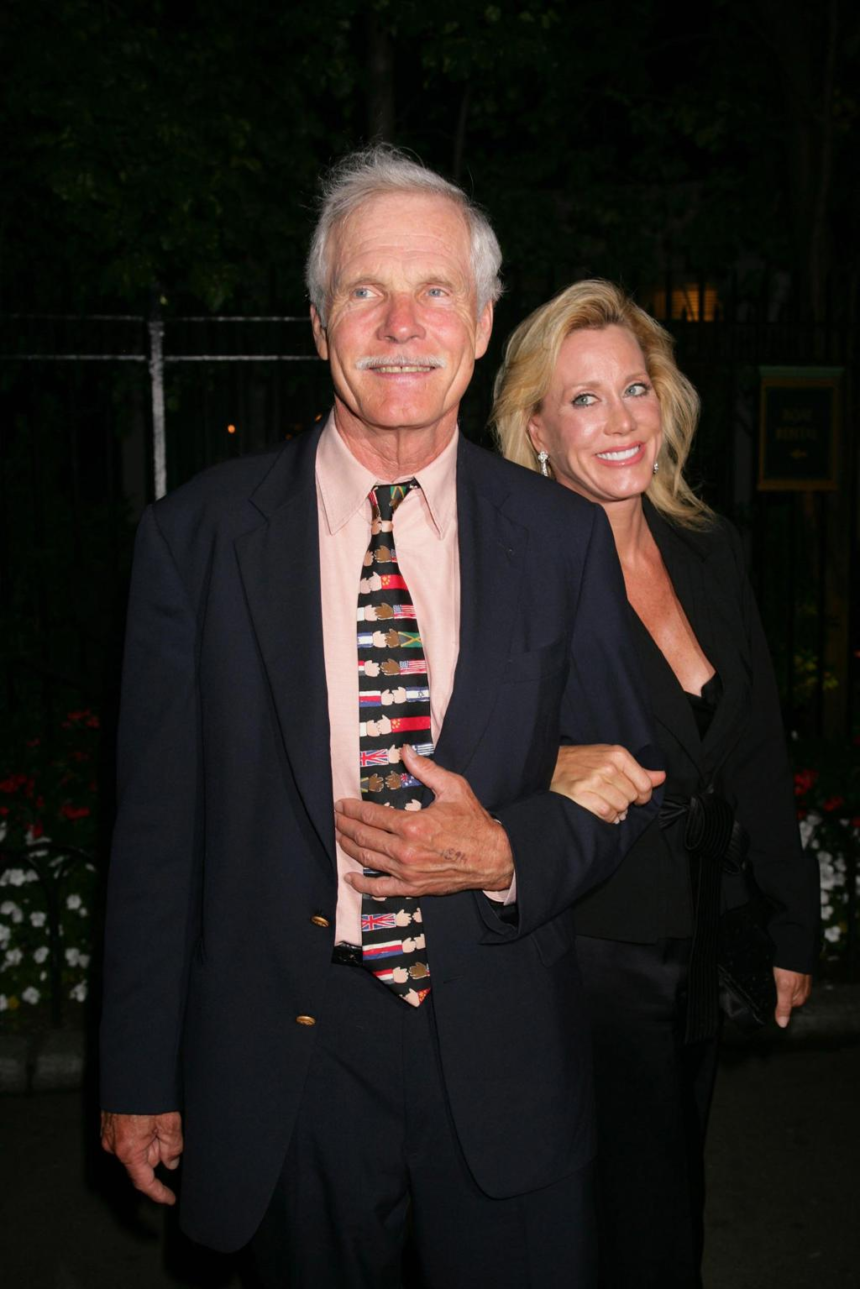
Ted Turner Cause of Death: The CNN Founder Who Changed Global News Dies at 87
The death of Ted Turner at the age of 87 marks the end of one of the most transformative eras in modern media history. Turner, the outspoken entrepreneur who revolutionized television journalism by launching the world’s first 24-hour news network, died on May 6, 2026, according to Turner Enterprises.
- What Was Ted Turner’s Cause of Death?
- The Man Who Invented the 24-Hour News Era
- From Billboard Salesman to Billionaire Media Mogul
- How Ted Turner Shaped Sports and Entertainment
- Philanthropy Became Central to His Legacy
- Ted Turner’s Family and Personal Life
- Why Ted Turner’s Death Matters Beyond Television
While no official cause of death was immediately disclosed, Turner had publicly revealed in 2018 that he had been diagnosed with Lewy body dementia, a progressive neurological disease that affects cognitive function, movement, and daily living abilities. In his later years, the media mogul largely withdrew from public life as his health declined.
For millions around the world, Turner was more than a businessman. He was the architect behind a new style of global communication — one that made real-time international news coverage a permanent part of modern life.
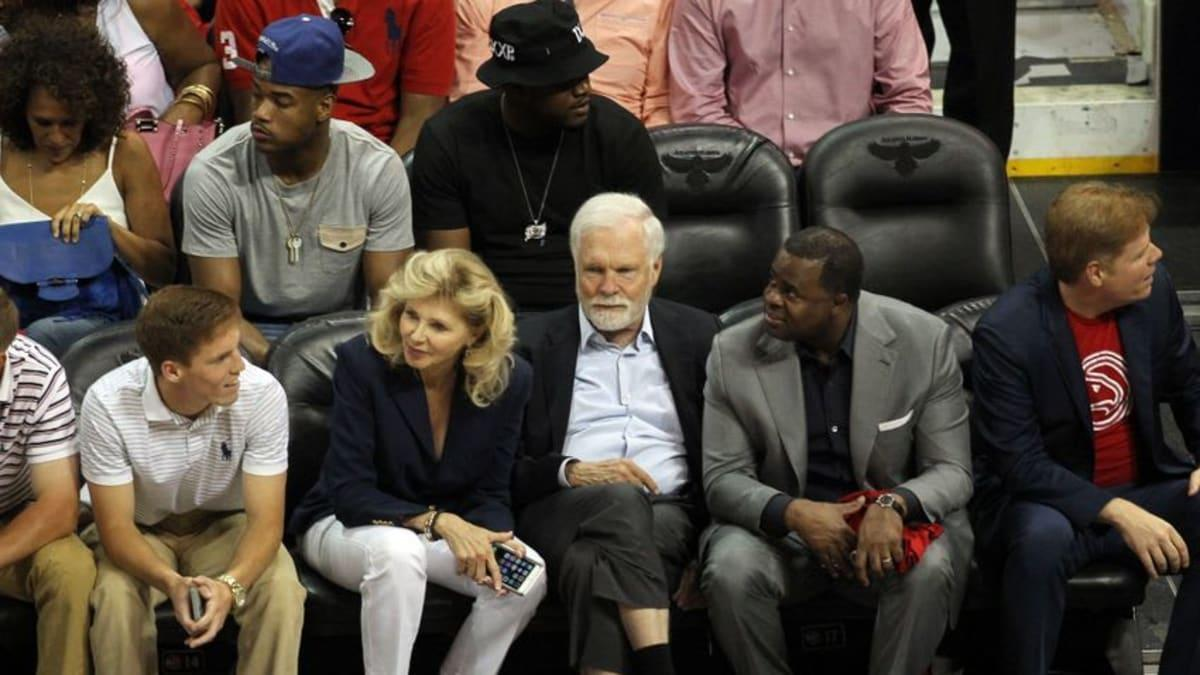


What Was Ted Turner’s Cause of Death?
Although Turner Enterprises did not release a formal medical explanation for his death, Turner’s long battle with Lewy body dementia had been publicly known for several years.
Turner first disclosed the diagnosis during a 2018 television interview, describing the condition as “a mild case of what people have as Alzheimer’s.” The disease is considered the second most common form of dementia after Alzheimer’s disease and is known for causing progressive cognitive decline, tremors, hallucinations, slowed movement, and symptoms similar to Parkinson’s disease.


Medical experts classify Lewy body dementia as a progressive and irreversible neurodegenerative disorder. While treatments can help ease symptoms, there is currently no cure.
Reports also indicated that Turner had been hospitalized with pneumonia in 2025 before recovering through rehabilitation treatment.
In the years following his diagnosis, Turner appeared far less frequently in public, fueling growing concern about his condition.
The Man Who Invented the 24-Hour News Era
Ted Turner permanently altered the media industry when he launched CNN on June 1, 1980.


At the time, many television executives believed the concept of nonstop news coverage was financially impossible. Networks traditionally aired scheduled news broadcasts only during select hours of the day. Turner ignored conventional wisdom and bet his fortune on the idea that audiences would eventually demand live updates around the clock.
He was right.
CNN quickly became one of the world’s most influential news organizations, especially during moments of international crisis. The network’s live reporting from Baghdad during the 1991 Gulf War demonstrated the power of continuous global television coverage and reshaped audience expectations forever.
CNN chairman and CEO Mark Thompson honored Turner after his death, describing him as:
“Ted was an intensely involved and committed leader, intrepid, fearless and always willing to back a hunch and trust his own judgement. He was and always will be the presiding spirit of CNN.”
Today, the 24-hour news format Turner pioneered has become standard across the globe.
From Billboard Salesman to Billionaire Media Mogul
Before becoming one of America’s most recognizable business figures, Turner began modestly in his family’s billboard advertising company in Savannah, Georgia.
After the death of his father, Turner took over the struggling business and gradually rebuilt it. His defining gamble came in 1970 when he purchased a failing Atlanta television station for $2.5 million.
That station would eventually evolve into TBS, which Turner transformed into America’s first “superstation” by using satellite technology to distribute programming nationally through local cable systems.
The innovation became the foundation of Turner Broadcasting System, which later expanded into:
- TNT
- Cartoon Network
- Turner Classic Movies
- World Championship Wrestling broadcasts
- National sports broadcasting through TBS
Turner later sold Turner Broadcasting System to Time Warner in 1996 for approximately $7.5 billion.
However, the later AOL-Time Warner merger became one of the most infamous corporate collapses in media history, reportedly costing Turner billions.
How Ted Turner Shaped Sports and Entertainment
Turner’s influence stretched far beyond journalism.
He owned the Atlanta Braves and helped transform the franchise into a national brand by broadcasting games across the country through TBS. Under his ownership, the Braves won the 1995 World Series and became one of baseball’s dominant teams during the 1990s.
He also owned the Atlanta Hawks and the Atlanta Thrashers.
Turner’s business strategy — combining sports ownership with nationwide television distribution — later became a model copied throughout the sports media industry.
In entertainment, Turner also became known for:
- Acquiring MGM’s massive classic film library
- Creating Cartoon Network
- Supporting animation projects like Captain Planet and the Planeteers
- Promoting environmental themes in children’s programming
Philanthropy Became Central to His Legacy
In later decades, Turner increasingly focused on philanthropy and environmental advocacy.
In 1997, he pledged $1 billion to United Nations initiatives, one of the largest charitable donations ever made at the time.
He also:
- Founded the United Nations Foundation
- Co-founded the Nuclear Threat Initiative
- Invested heavily in wildlife and bison conservation
- Became one of the largest private landowners in North America
According to reports, Turner owned approximately two million acres of land across several U.S. states and Argentina.
Environmental conservation became a defining part of his public image during the final decades of his life.
Ted Turner’s Family and Personal Life
Turner married three times, most famously to actress Jane Fonda from 1991 until their divorce in 2001.
He is survived by:
- Five children
- Fourteen grandchildren
- Two great-grandchildren
Several of his children continued his philanthropic and environmental efforts, particularly through wildlife conservation organizations and charitable foundations.
Why Ted Turner’s Death Matters Beyond Television
Ted Turner’s death represents more than the loss of a billionaire entrepreneur.
He fundamentally changed how humanity experiences world events.
Before CNN, audiences waited for scheduled broadcasts or newspapers to learn about international crises. Turner’s vision created a world where wars, elections, disasters, and historic moments unfolded live in front of global audiences in real time.
His influence can now be seen across every major news network, digital media platform, and livestreaming service operating today.
Even critics acknowledged Turner’s willingness to take risks few others would attempt. He built an empire from failing media assets, challenged traditional broadcasting norms, and introduced innovations that permanently changed journalism and entertainment.
Whether through CNN, sports broadcasting, animation, or philanthropy, Turner left a cultural footprint that extended far beyond television.
His legacy continues every time breaking news appears instantly on screens around the world.