


Samsung Galaxy S27 Camera Redesign: A Strategic Shift Driven by Magnets and Innovation
A Subtle Change With Major Implications
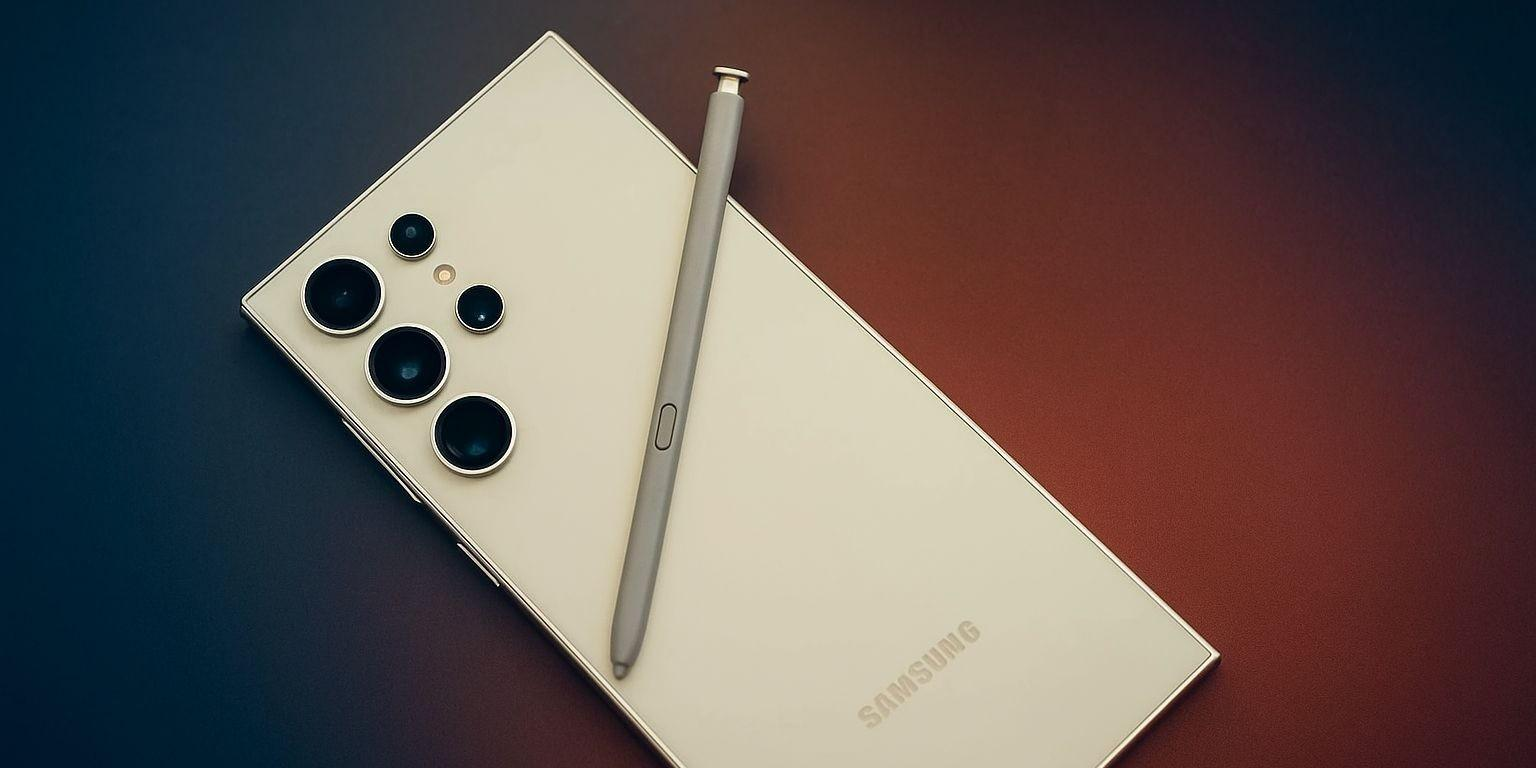
Samsung’s Galaxy S series has long been defined by its recognizable camera layout—a design language that has remained largely consistent since the Galaxy S21 era. But that identity could soon be disrupted. Emerging reports suggest that the upcoming Samsung Galaxy S27 series may introduce a completely new camera placement, marking one of the most significant design shifts in years.
This isn’t merely a cosmetic refresh. Behind the potential redesign lies a deeper technological ambition—one that could reshape how Samsung devices interact with accessories, charging systems, and even competing ecosystems.
Why Samsung Is Rethinking Camera Placement
At the heart of the rumored redesign is a practical engineering challenge: making room for magnets.
Samsung is reportedly exploring the integration of built-in magnets into the Galaxy S27 lineup to support Qi2 wireless charging and magnetic accessories. This would bring Samsung closer to Apple’s MagSafe ecosystem and align it with a growing industry trend toward magnetic accessory ecosystems.
However, incorporating magnets into a smartphone is not as simple as adding a new component. The internal architecture must be reconfigured to ensure:
- Proper alignment for wireless charging coils
- Structural stability of the device
- Minimal interference with camera sensors
This is where the camera placement becomes critical. The existing layout—refined over multiple generations—may no longer accommodate the internal rearrangements required for magnetic integration. As a result, Samsung is evaluating a redesign that could reposition the camera system entirely.
A Break From Years of Design Consistency
For context, Samsung’s flagship design has followed a relatively stable trajectory since 2021. The Galaxy S21 introduced a vertical triple-camera arrangement positioned at the corner, which became a defining visual signature across Galaxy S and Galaxy Z devices.
While minor refinements have been made—such as removing or reintroducing the camera island—the core placement has remained largely unchanged.
If the Galaxy S27 adopts a new layout, it would effectively end this multi-year design continuity. That alone signals how significant the internal changes must be.
The Qi2 and MagSafe Factor
The push toward magnets is not happening in isolation. It reflects a broader shift in the smartphone industry.
Qi2, the next-generation wireless charging standard, incorporates magnetic alignment to improve charging efficiency and accessory compatibility. Apple has already implemented this concept through MagSafe, while Google has begun adopting similar approaches in its devices.
Samsung’s potential move would allow:
- Direct compatibility with MagSafe-style accessories
- Improved wireless charging alignment and efficiency
- A wider ecosystem of snap-on accessories without needing cases
This would be a major upgrade in usability, especially for users who rely on wireless charging docks, car mounts, wallets, and battery packs.
A Redesign Still Under Evaluation
Despite the excitement, it’s important to emphasize that the redesign is not yet confirmed. Samsung is still in the evaluation phase, reviewing changes to the camera layout, internal structure, and overall device design.
Moreover, the decision may ultimately come down to cost.
According to reports, “due to recent cost issues”, Samsung could delay the implementation of magnets and the associated redesign. Rising prices for RAM and storage components are already affecting production strategies, potentially forcing the company to prioritize cost efficiency over innovation in the short term.
If that happens, the redesigned camera placement—and the magnetic system it supports—might be postponed until the Galaxy S28 series.
Camera Hardware Evolution Adds Another Layer
Complicating matters further is the evolution of camera technology itself.
Leaks suggest that the Galaxy S27 Ultra could feature a 200MP main sensor with variable aperture—technology last seen in the Galaxy S10 series. This feature allows the camera to physically adjust its aperture depending on lighting conditions, improving performance in both bright and low-light environments.
There are also indications that Samsung may:
- Shift to a triple-camera setup
- Potentially drop the long-standing 3x telephoto camera
- Introduce advanced technologies like LOFIC for better image processing
These changes could further influence how the camera module is arranged, reinforcing the need for a new placement strategy.
What This Means for Samsung’s Competitive Position
If Samsung successfully integrates magnets and redesigns its camera layout, the Galaxy S27 series could represent a pivotal moment for the company.
It would signal:
- A shift toward ecosystem-driven hardware design
- Stronger competition with Apple’s MagSafe ecosystem
- A renewed focus on practical usability rather than incremental upgrades
However, if cost pressures delay these changes, Samsung risks falling behind competitors who are already embracing magnetic ecosystems.
Looking Ahead: A Redesign Worth Watching
The Galaxy S27 series is still months away from launch, and much remains uncertain. But the direction is clear: Samsung is exploring deeper structural changes to its flagship lineup, driven by new technologies and evolving user expectations.
A new camera placement might seem like a small visual tweak—but in reality, it could reflect one of the most meaningful shifts in Samsung’s smartphone strategy in years.
Whether it arrives with the Galaxy S27 or is pushed to the S28, one thing is certain: the next generation of Galaxy devices is being shaped not just by cameras, but by everything happening beneath them.


