Heidi Klum at Met Gala 2026: When Fashion Became Sculpture
A Night Where Art Took Center Stage
On May 4, 2026, the steps of the Metropolitan Museum of Art transformed into a living gallery. The Met Gala, long regarded as fashion’s most prestigious stage, embraced its theme—“Fashion Is Art”—with unusual clarity. But amid a sea of elaborate couture and celebrity spectacle, one figure stood apart, not simply for what she wore, but for what she became.
- A Night Where Art Took Center Stage
- The “Veiled Lady” Reimagined
- A “Living Sculpture” Concept Realized
- A Career Built on Transformation
- The Met Gala 2026: A Global Stage of Creativity
- Art-Inspired Fashion: A Growing Movement
- The Cultural Impact of Klum’s Look
- What This Means for the Future of Fashion
- Conclusion: A Defining Met Gala Moment
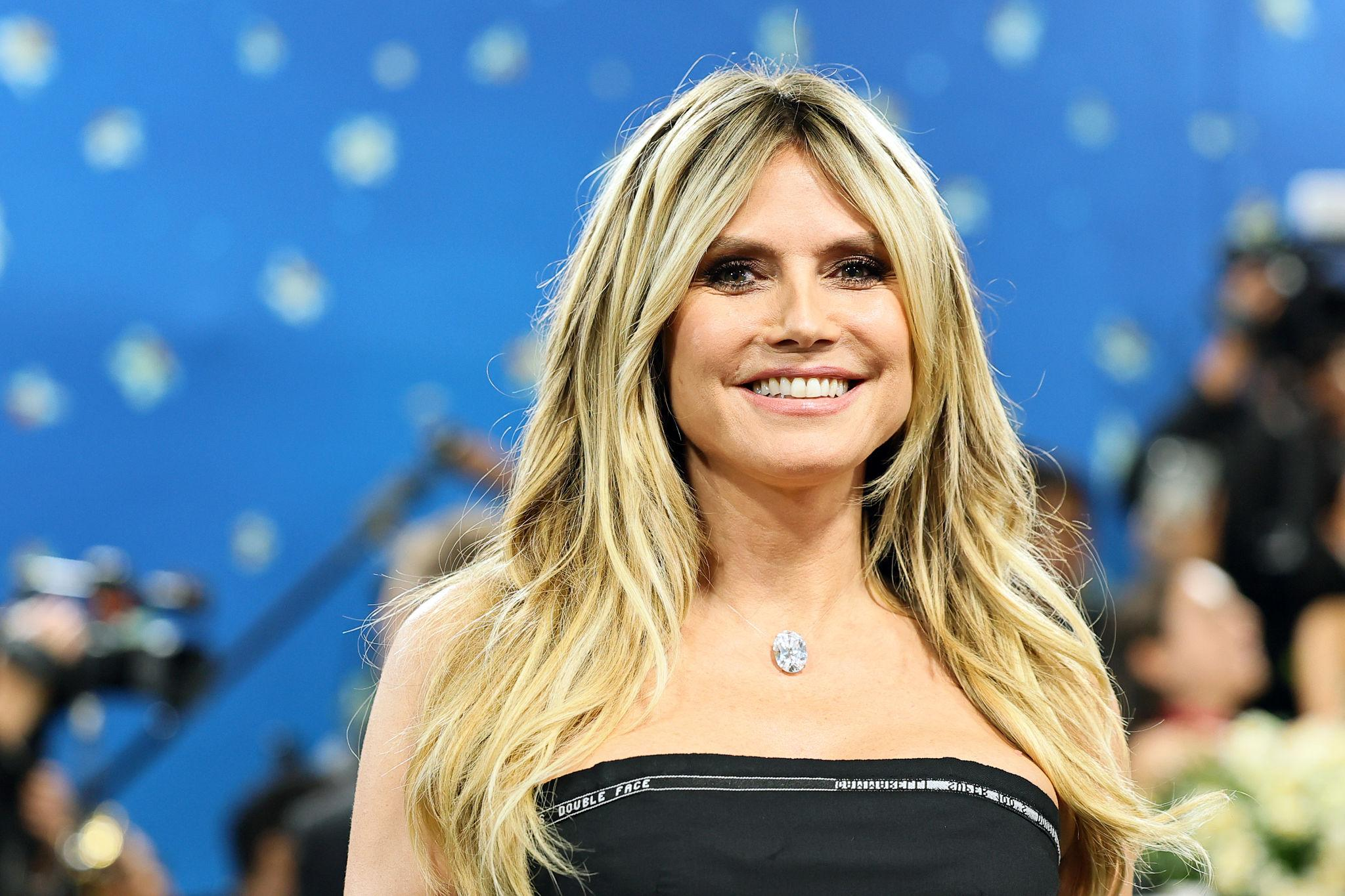
Heidi Klum did not just attend the Met Gala—she arrived as a “living sculpture,” blurring the boundaries between haute couture and classical artistry in a way few could ignore.
The “Veiled Lady” Reimagined
Klum’s 2026 appearance drew direct inspiration from 19th-century sculpture, most notably Raffaele Monti’s The Veiled Lady (1860)—a masterpiece celebrated for its astonishing illusion of a translucent veil carved from solid marble. The sculpture’s defining feature is its delicate realism: a woman’s face appears softly obscured by a sheer fabric that, in reality, is stone.


Recreating that effect on a red carpet is no small feat.
Klum’s interpretation replicated this visual illusion with striking precision. Using advanced materials such as foam, latex, and spandex, the design simulated the appearance of stone drapery flowing across her face and body. The result was eerie yet elegant—a haunting embodiment of art brought to life.


Despite its rigid, marble-like appearance, Klum revealed during a conversation with Ashley Graham and Cara Delevingne that the outfit was “surprisingly soft and comfortable.” This contrast between appearance and reality only deepened the artistic illusion.
A “Living Sculpture” Concept Realized
The custom look, created by designer Mike Marino, extended beyond a simple homage. It drew from multiple classical works, including Giuseppe Sammartino’s Veiled Christ and Monti’s Veiled Vestal, combining historical references into a single, cohesive statement.
The intention was clear: to transform Klum into something more than a model—into an object of art.
Observers described her as appearing “literally carved from stone,” a testament to the craftsmanship behind the design.

This approach aligned seamlessly with the exhibition theme curated by Andrew Bolton, which explored “the centrality of the dressed body” and its relationship to art across history.
A Career Built on Transformation
For those familiar with Heidi Klum’s public persona, the transformation came as no surprise.
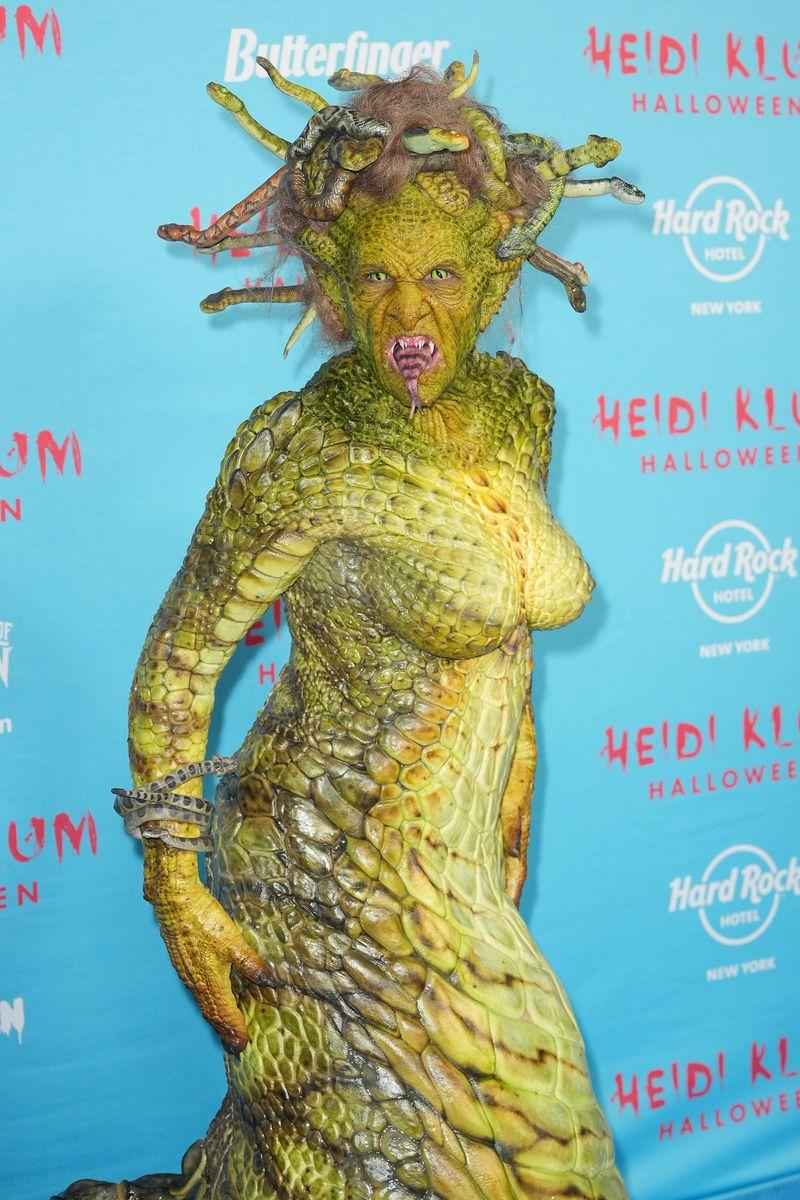
Over the years, Klum has cultivated a reputation for pushing boundaries, particularly through her elaborate Halloween costumes and theatrical appearances. From transforming into Medusa to her widely discussed “worm” costume, she has consistently demonstrated a willingness to prioritize creativity over convention.
At the Met Gala—where many celebrities opt for glamour—Klum leaned fully into conceptual artistry, reinforcing her identity as one of fashion’s most experimental figures.
The Met Gala 2026: A Global Stage of Creativity
While Klum’s look dominated conversation, the 2026 Met Gala itself was a monumental gathering of global influence.
The event featured high-profile attendees including:
- Beyoncé
- Nicole Kidman
- Venus Williams
- Gigi Hadid
- Isha Ambani
Inside the museum, the atmosphere blended celebration and spectacle, with moments ranging from intimate celebrity interactions to vibrant social scenes.
The gala was co-chaired by Beyoncé, Nicole Kidman, Venus Williams, and Anna Wintour, while Jeff Bezos and Lauren Sánchez Bezos served as honorary chairs. The host committee included prominent figures such as Zoë Kravitz, Sabrina Carpenter, Doja Cat, and Sam Smith, underscoring the event’s cross-industry influence.
The exhibition itself, running from May 10, 2026, to January 10, 2027, further cemented the theme’s ambition—positioning fashion not merely as clothing, but as a form of artistic expression.
Art-Inspired Fashion: A Growing Movement
Klum was not alone in drawing inspiration from art. Several attendees embraced the theme through interpretations rooted in visual culture, sculpture, and historical aesthetics.
Celebrities such as Madonna, Kim Kardashian, Karan Johar, and Léna Mahfouf also incorporated artistic references into their looks, reflecting a broader shift in how fashion is presented at major cultural events.
However, Klum’s execution stood out for its conceptual clarity. Rather than referencing art, she became the artwork itself—a distinction that elevated her presence beyond standard red carpet fashion.
The Cultural Impact of Klum’s Look
Klum’s “Veiled Lady” moment resonated for several reasons:
1. Redefining Red Carpet Expectations
The Met Gala has long been associated with bold fashion, but Klum’s look pushed the conversation toward performance and transformation, rather than clothing alone.
2. Bridging Historical Art and Modern Design
By drawing from 19th-century sculpture, the look created a dialogue between past and present, highlighting how classical art continues to influence contemporary creativity.
3. Expanding the Role of Materials in Fashion
The use of latex, foam, and spandex to mimic marble underscores how technological advancements are reshaping design possibilities.
4. Reinforcing Fashion as Narrative
Klum’s ensemble was not just visual—it told a story, evoking themes of illusion, fragility, and permanence.
What This Means for the Future of Fashion
The 2026 Met Gala may be remembered as a turning point where fashion and fine art fully converged in mainstream culture.
Klum’s appearance suggests several emerging trends:
- Increased emphasis on conceptual storytelling in fashion
- Greater collaboration between artists, designers, and sculptors
- Use of innovative materials to replicate traditional art forms
- A shift toward immersive, performance-based fashion experiences
As fashion continues to evolve, moments like this indicate that the industry is moving beyond aesthetics toward experiential expression.
Conclusion: A Defining Met Gala Moment
Heidi Klum’s “Veiled Lady” at the 2026 Met Gala was more than a viral red carpet moment—it was a statement about the future of fashion.
By transforming herself into a living sculpture, she demonstrated that clothing can transcend function and become art in its purest form. In a night filled with creativity, her look stood as a defining example of how fashion can challenge perception, honor history, and push boundaries simultaneously.
In the end, Klum did not just follow the theme—she embodied it.