




Hanuman Jayanti on April 2, 2026: A Day of Devotion, Strength, and Spiritual Renewal
Why Hanuman Jayanti Falls on April 2 This Year
The celebration of Hanuman Jayanti in 2026 has drawn particular attention due to confusion over whether it falls on April 1 or April 2. The determining factor lies in the Hindu lunar calendar, specifically the Purnima tithi (full moon day) of the Chaitra month.
- Why Hanuman Jayanti Falls on April 2 This Year
- Understanding the Spiritual Significance of Hanuman Jayanti
- The Ritual Calendar: Timings and Auspicious Hours
- How Hanuman Jayanti Is Celebrated Across India
- The Cultural and Social Impact of Hanuman Jayanti
- Is Hanuman Jayanti a Public Holiday?
- Mantras Recited on Hanuman Jayanti
- Looking Ahead: The Continuing Relevance of Hanuman Jayanti
- Conclusion
In 2026, the Purnima tithi begins at 07:06 AM on April 1 and ends at 07:41 AM on April 2, which places the observance of Hanuman Jayanti on April 2, 2026.
This alignment is consistent with traditional practices, where the festival is celebrated when the full moon phase is active during the appropriate timing for rituals and worship.

Understanding the Spiritual Significance of Hanuman Jayanti
Hanuman Jayanti, also known as Hanuman Janmotsav, commemorates the birth of Lord Hanuman—one of the most revered figures in Hinduism. He is widely recognized as:
- A symbol of devotion and loyalty
- A representation of strength, courage, and fearlessness
- The ultimate devotee of Lord Rama
According to scriptures, Lord Hanuman was born to Mata Anjani and Vanar Raj Kesari during the Treta Yuga. He is also known as:



- Pawan Putra (son of the wind god)
- Kesari Nandan
- Rudra Avatar of Lord Shiva
His mythological stories—such as attempting to swallow the sun as a child—reflect his immense power and divine nature.
Hanuman is also considered a Chiranjeevi (immortal being), believed to still exist and protect devotees.
The Ritual Calendar: Timings and Auspicious Hours
For devotees observing Hanuman Jayanti on April 2, 2026, timing plays a critical role in maximizing spiritual merit.
- Purnima Tithi:
Begins: 07:06 AM (April 1)
Ends: 07:41 AM (April 2) - Shubh Muhurat for Puja:
Early morning between 06:10 AM and 07:44 AM
Performing rituals during this window is considered especially auspicious for invoking blessings.



How Hanuman Jayanti Is Celebrated Across India
Hanuman Jayanti is marked by widespread devotion and elaborate rituals, both in temples and homes.
Morning Rituals and Puja Practices
The process is designed to purify the body and mind before worship:
Here are the steps to help you observe Hanuman Jayanti rituals properly:
- Wake up early and take a holy bath
- Place an idol of Lord Hanuman on a wooden platform
- Light a diya using ghee or sesame oil
- Adorn the idol with flowers and garlands
- Offer prasad such as laddoos, coconut, and paan
These rituals are meant to establish a sacred environment and express devotion through symbolic offerings.
Temple Visits and Community Celebrations
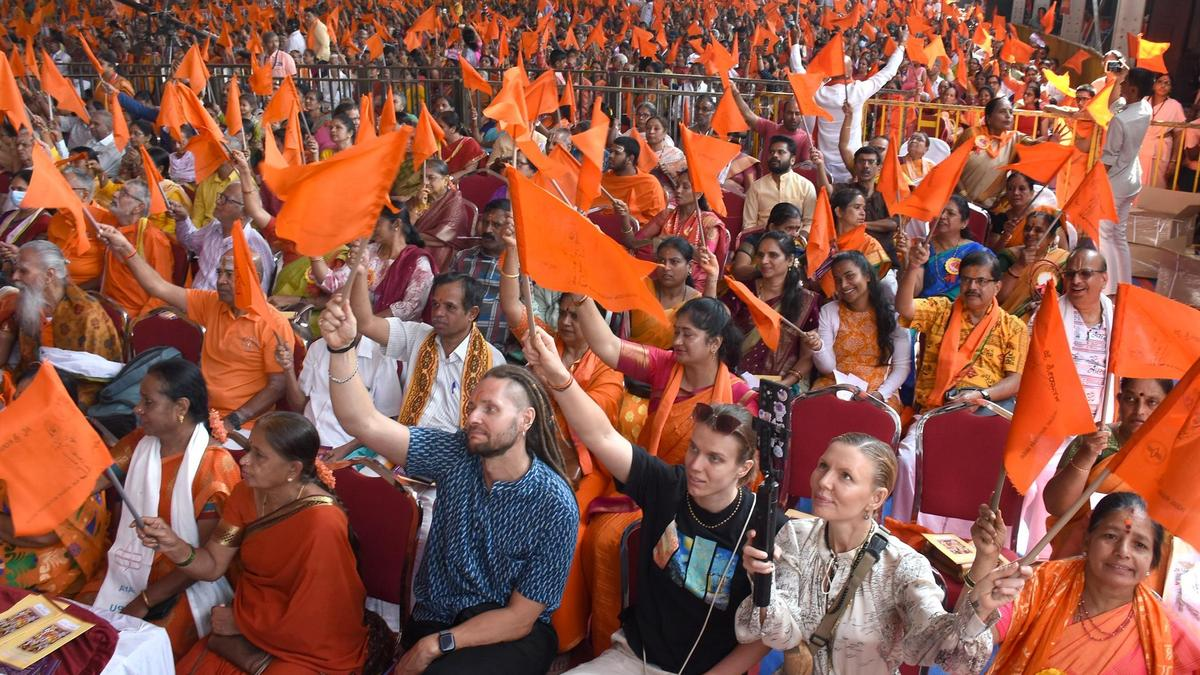
Across India, temples dedicated to Lord Hanuman become focal points of celebration:
- Temples are decorated with flowers and lights
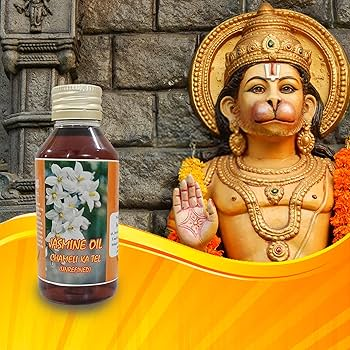
- Devotees offer sindoor, jasmine oil, and chola
- Large gatherings chant Hanuman Chalisa and mantras
- Spiritual recitations such as Sundar Kand Path and Akhand Ramayana are organized
These communal activities reinforce shared faith and collective devotion.
Fasting, Charity, and Acts of Service
Observing a fast is a common practice, believed to bring divine protection and blessings.
Additionally, many devotees:
- Set up food and water stalls
- Offer aid to the needy
- Engage in acts of charity
Such actions are considered spiritually rewarding and align with the values of compassion and service.
The Cultural and Social Impact of Hanuman Jayanti
Beyond religious observance, Hanuman Jayanti carries broader cultural significance.
A Festival of Strength and Discipline
The festival holds special importance for individuals involved in:
- Sports
- Wrestling
- Martial arts
Lord Hanuman is often regarded as a guru of strength and discipline, inspiring physical and mental resilience.
Reinforcing Devotional Traditions
Hanuman Jayanti also strengthens the connection between mythology and modern practice. Stories from the Ramayana—particularly those centered on Hanuman’s unwavering devotion—continue to influence religious behavior and moral values.
Is Hanuman Jayanti a Public Holiday?
While widely celebrated, Hanuman Jayanti is not a nationwide gazetted holiday in India.
- Many schools, banks, and offices remain open
- Some states or regions may observe local holidays
- Reduced working hours or localized closures are common in areas with strong observance
This reflects the festival’s regional diversity and varying administrative recognition.
Mantras Recited on Hanuman Jayanti
Devotees chant specific mantras to invoke blessings:
- Om Anjani Sutaye Namah
- Om Ham Hanumate Namah
- Om Hanumate Rudratmakaye Namah
- Om Anjaneyay Vidmahe Vayuputraya Dhimahi, Tanno Hanumant Prachodayat
These chants are believed to bring courage, clarity, and protection.
Looking Ahead: The Continuing Relevance of Hanuman Jayanti
As Hanuman Jayanti 2026 falls on April 2, the festival continues to resonate beyond its ritual framework. It serves as a reminder of enduring values—devotion, humility, strength, and service—that remain relevant in contemporary life.
With increasing participation through both traditional gatherings and modern platforms, the festival is evolving while preserving its core spiritual essence.
Conclusion
Hanuman Jayanti on April 2, 2026, is more than a date on the calendar—it is a convergence of faith, culture, and tradition. Rooted in ancient scriptures yet actively celebrated in modern society, the festival continues to inspire millions.
From early morning rituals to large-scale temple celebrations, the day reflects a collective commitment to spiritual growth and devotion. As devotees across regions mark this sacred occasion, Hanuman Jayanti stands as a powerful symbol of resilience, loyalty, and divine strength.