



Zimbabwe vs Botswana: A Clinical Friendly That Told a Bigger Story
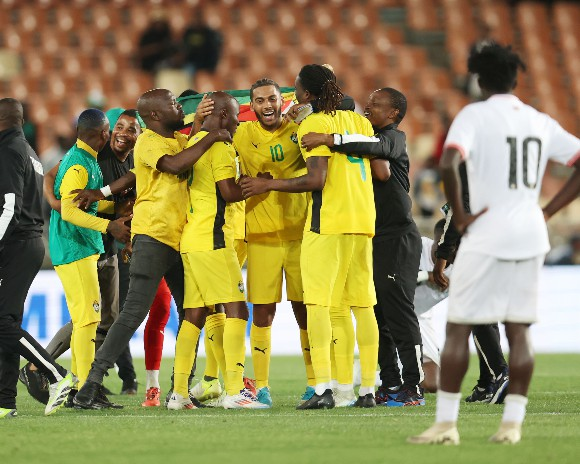
On 28 March 2026, an international friendly between Botswana and Zimbabwe delivered a decisive outcome that went beyond a routine exhibition match. Played as part of the International Friendly Games 2026, Zimbabwe secured a commanding 3–0 victory, asserting dominance early and maintaining control throughout the contest.
- Zimbabwe vs Botswana: A Clinical Friendly That Told a Bigger Story
- First-Half Blitz: Zimbabwe’s Ruthless Efficiency
- Tactical Setup: Mirrored Formations, Different Outcomes
- Key Match Moments and Adjustments
- FIFA Rankings and Context
- What the Match Reveals
- Broader Implications for Both Teams
- The Role of Friendlies in Modern Football
- Conclusion: A Statement Result With Long-Term Meaning
While friendlies are often used for experimentation and squad rotation, this encounter revealed structural differences between the two sides—particularly in execution, attacking efficiency, and tactical cohesion.
First-Half Blitz: Zimbabwe’s Ruthless Efficiency
The match was effectively decided within the first 45 minutes. Zimbabwe approached the game with urgency and precision, capitalizing on early opportunities:



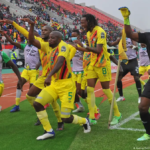
- 24’ – T. Mongameli opened the scoring, setting the tone
- 33’ – M. Bonne doubled the lead with a composed finish
- 45’ – B. Antonio added a third just before halftime
By the break, Zimbabwe held a 3–0 advantage, leaving Botswana with limited room to recover. The early goals reflected not just attacking sharpness, but also defensive lapses from Botswana, particularly in transitional phases.
Tactical Setup: Mirrored Formations, Different Outcomes
Both teams deployed a 4-2-3-1 formation, theoretically offering balance between defense and attack. However, the execution differed significantly.

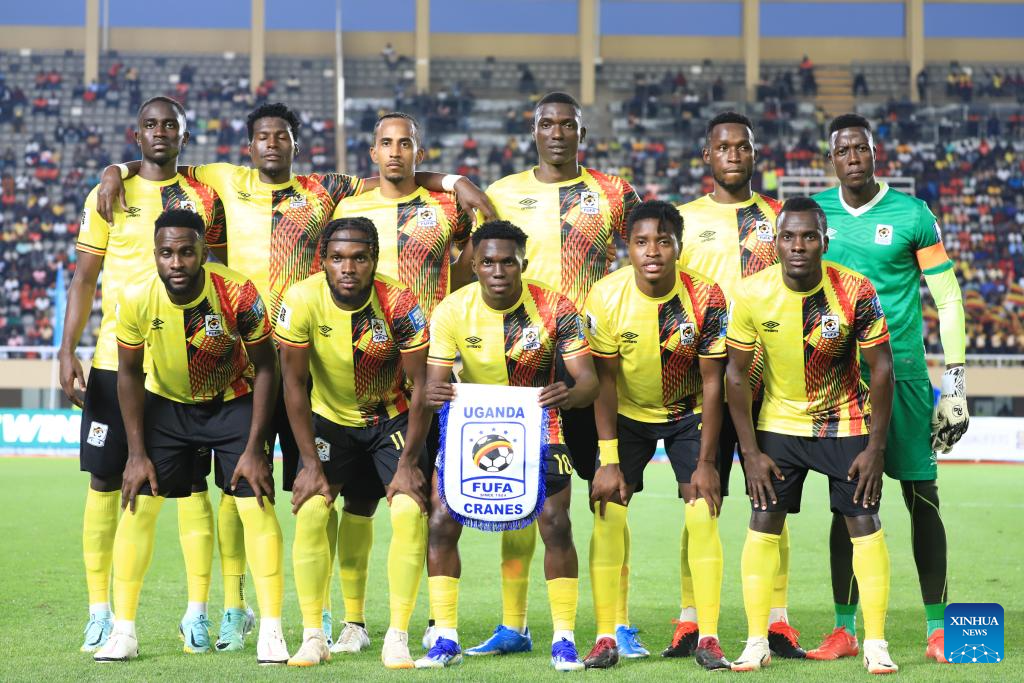
Botswana’s Approach
Under coach Morena Ramoreboli, Botswana attempted to maintain structure and build through midfield. The lineup included:
- E. Morake in goal
- Defensive unit featuring B. Sakana and T. Babutsi
- Midfield anchored by T. Shadikong and R. Ratlhogo
- Forward line led by E. Ookame
Despite a stable formation, Botswana struggled with:
- Defensive organization under pressure
- Ball retention in midfield
- Creating clear attacking chances
Zimbabwe’s Structure
Zimbabwe, coached by Mario Marinica, demonstrated superior coordination:
- Goalkeeper E. Chipezeze provided stability at the back
- Defensive core included G. Takwara and T. L. Hadebe
- Midfield featured M. Nakamba and J. Fabisch
- Attack led by B. Antonio, T. Mongameli, and M. Bonne
The difference was not in formation, but in tempo, spacing, and finishing quality. Zimbabwe transitioned quickly from defense to attack and exploited gaps efficiently.



Key Match Moments and Adjustments
Zimbabwe’s dominance allowed them to manage the second half with controlled substitutions and reduced risk. Notable changes included:
- 21’: Early substitution forced by injury (I. Mauchi for M. Garananga)
- 69’: Tactical changes introducing S. Maroodza and A. Mbeba
- 80’: Fresh legs with P. Makwiramiti and W. Navaya
Botswana, on the other hand, made fewer impactful adjustments, reflecting limited tactical flexibility during the match.
FIFA Rankings and Context
Heading into the fixture, the FIFA rankings highlighted a relatively close gap:
- Botswana: #144
- Zimbabwe: #132
Despite this proximity, the match outcome suggested a wider performance gap. Zimbabwe’s ability to convert chances and control phases of play contrasted sharply with Botswana’s inefficiency.
What the Match Reveals
1. Zimbabwe’s Attacking Depth
Zimbabwe demonstrated a multi-threat attack, with three different scorers contributing. This indicates a well-distributed offensive structure rather than reliance on a single player.
2. Botswana’s Defensive Vulnerabilities
Conceding three goals in the first half exposed weaknesses in:
- Defensive coordination
- Marking discipline
- Response to quick transitions
3. Midfield Control as a Deciding Factor
Zimbabwe’s midfield pairing dictated the tempo, enabling consistent forward progression and limiting Botswana’s ability to build sustained attacks.
Broader Implications for Both Teams
Zimbabwe: Momentum Ahead of Competitive Fixtures
The result strengthens Zimbabwe’s confidence as they prepare for upcoming international competitions, including qualifiers and regional tournaments. Their performance suggests:
- Tactical clarity
- Effective squad rotation
- Growing cohesion
Botswana: Areas Requiring Urgent Attention
For Botswana, the match serves as a diagnostic tool. Key areas for improvement include:
- Defensive structure under pressure
- Transition management
- Offensive creativity
Friendlies like this are intended to expose such gaps, offering a roadmap for technical adjustments.
The Role of Friendlies in Modern Football
This match illustrates the broader purpose of international friendlies. Beyond the scoreline, they function as:
- Testing grounds for tactical systems
- Opportunities to integrate new players
- Preparation platforms for major tournaments like the FIFA World Cup 2026
Zimbabwe’s execution shows effective use of this platform, while Botswana’s performance highlights the challenges of translating training into match scenarios.
Conclusion: A Statement Result With Long-Term Meaning
The 3–0 victory for Zimbabwe was not just a comfortable win—it was a demonstration of efficiency, structure, and readiness. By securing all three goals in the first half, Zimbabwe removed uncertainty early and controlled the remainder of the match with discipline.
For Botswana, the defeat underscores the need for tactical refinement and improved defensive organization. While the rankings suggested a competitive encounter, the reality on the pitch told a different story.
As both teams move forward, this match will likely serve as a reference point—either as a benchmark of progress or a reminder of areas that demand immediate attention.