


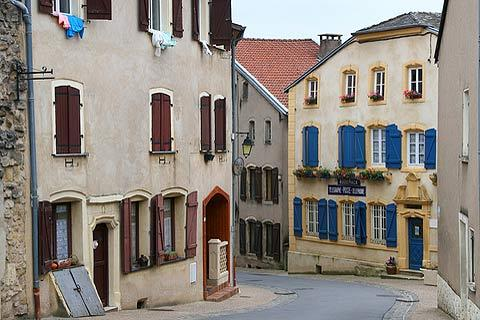
Yutz: A Small Street Upgrade with a Larger Economic Signal
A Quiet Project with Broader Implications
In the northeastern French commune of Yutz, a seemingly routine infrastructure project—the renovation of Rue Léon-Royer—has drawn attention beyond its immediate locality. At first glance, the upgrade appears modest: resurfacing works, drainage improvements, and updated street features. Yet, beneath this localized development lies a broader narrative about municipal spending, construction demand, and the steady mechanics of regional economies.
- A Quiet Project with Broader Implications
- Reading the Signal: What the Yutz Upgrade Represents
- The Economics of Small-Scale Infrastructure
- Seasonal Dynamics and Construction Momentum
- Construction Demand and Pricing Pressures
- Why Yutz Matters Beyond France
- Tracking the Trend: Indicators to Watch
- Risks That Could Disrupt the Flow
- A Broader Perspective: Infrastructure as Economic Backbone
- Conclusion: Small Projects, Steady Impact
This is not a story of large-scale megaprojects or headline-grabbing investments. Instead, it reflects the quieter, recurring cycle of municipal capital expenditure—often overlooked, but essential in sustaining economic activity across regions.
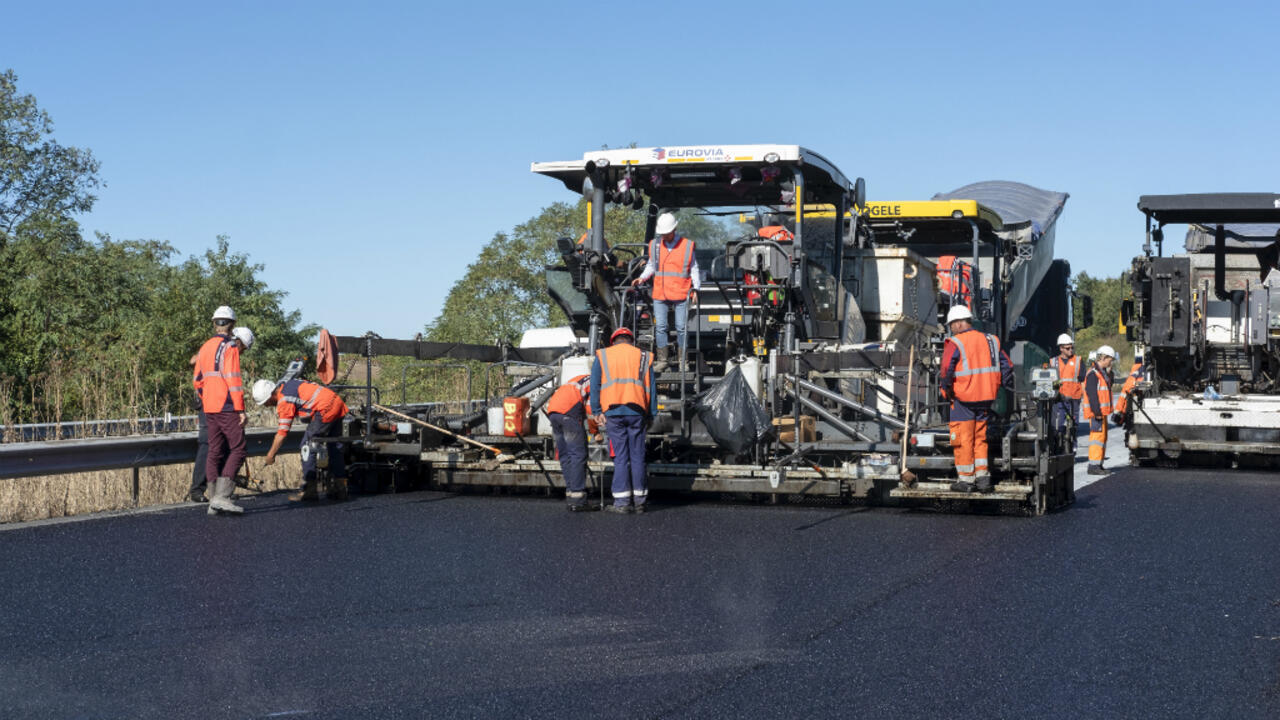
Reading the Signal: What the Yutz Upgrade Represents
The completion of the Rue Léon-Royer renovation confirms a key point: municipal budgets are being executed, not merely planned.


Such projects typically involve:
- Road resurfacing and curbing
- Drainage system upgrades
- Accessibility improvements
- Installation of signage and lighting
These are foundational components of urban infrastructure. While individually small in scale, their cumulative effect across multiple towns creates a consistent stream of work for contractors and suppliers.



The Yutz project demonstrates that even in a mixed macroeconomic environment, local governments continue to prioritize essential maintenance and safety upgrades. This consistency is critical. It suggests that municipal capital expenditure in France remains active and dependable, forming a baseline of economic activity that supports a wide network of industries.
The Economics of Small-Scale Infrastructure
One street renovation does not transform a national economy. However, when replicated across hundreds of municipalities, similar projects generate measurable economic momentum.
A Distributed Economic Impact
Municipal works often involve co-financing from departments, regions, or targeted grants. This structure distributes spending across multiple sectors, including:
- Asphalt and aggregate suppliers
- Construction contractors
- Traffic management services
- Equipment rental companies
- Landscaping and safety infrastructure providers
Each completed project extends economic activity beyond the primary contractor, benefiting a network of small and medium-sized enterprises (SMEs).



Stabilizing Local Business Cycles
For contractors, these projects serve as “base load” work—steady assignments that fill gaps between larger, less predictable contracts. This stability enables:
- Better workforce planning
- Improved equipment utilization
- More predictable cash flow through milestone-based billing
The result is a more resilient construction ecosystem, particularly for regional firms that rely heavily on municipal contracts.
Seasonal Dynamics and Construction Momentum
Timing is a critical factor in interpreting the Yutz renovation. The project’s completion aligns with early spring—a period when municipalities typically transition from winter maintenance to planned infrastructure upgrades.
This seasonal shift carries several implications:
- Increased tender activity in Q2: As weather conditions improve, more projects move from planning to execution.
- Peak construction in Q3: Early tenders often translate into heightened activity during mid-year months.
- Reduced idle time: Contractors can maintain consistent workloads, avoiding downtime associated with winter slowdowns.
The Yutz upgrade fits neatly into this pattern, reinforcing expectations of a broader seasonal ramp in construction activity across regions.
Construction Demand and Pricing Pressures
While demand for municipal projects appears stable, profitability depends on several variables:
Input Costs
Key materials such as bitumen, aggregates, and fuel are sensitive to global commodity fluctuations. Rising input costs can:
- Compress contractor margins
- Lead to scope adjustments or project delays
- Influence tender pricing strategies
Logistics and Efficiency
Because materials like asphalt are freight-sensitive, proximity to suppliers plays a significant role. Efficient project sequencing—minimizing downtime and transport costs—can significantly improve margins on small jobs.
Tender Pricing vs. Cost Indices
A crucial indicator of market health is the relationship between tender prices and input costs. When tender prices rise faster than material costs, contractors benefit. Conversely, cost inflation without corresponding price adjustments can erode profitability.
Why Yutz Matters Beyond France
Although the project is local, its implications extend to international investors and broader market analysis.
A Template for Predictable Demand
The Yutz renovation exemplifies a type of infrastructure spending that is:
- Recurring rather than one-off
- Distributed across regions
- Essential rather than discretionary
This makes it particularly valuable for investors seeking stable, cash-generative exposure within the construction sector.
Portfolio Implications
Investors accessing European markets—whether from Singapore, Australia, or elsewhere—often do so through:
- Infrastructure-focused ETFs
- Construction and materials equities
- Multi-country investment vehicles
Projects like Yutz provide insight into the underlying demand drivers of these assets. A steady flow of municipal works supports backlog visibility, revenue stability, and operational continuity for companies involved in maintenance and small-scale infrastructure.
Tracking the Trend: Indicators to Watch
To assess whether the Yutz signal reflects a broader trend, several indicators can be monitored:
- Municipal tender volumes
- Contractor backlog growth
- Crew utilization rates
- Material procurement trends
- Regional construction permits and project approvals
Frequent reports of resurfacing, safety upgrades, and streetscape improvements suggest a healthy pipeline of municipal work.
Risks That Could Disrupt the Flow
Despite the stability of municipal projects, several risks remain:
Budget Constraints and Delays
Delayed grants or co-funding can push projects into later quarters, disrupting the pipeline.
Input Cost Inflation
Rising costs for fuel and materials may force municipalities to scale back or postpone projects.
External Factors
- Weather disruptions
- Permitting delays
- Election cycles influencing spending priorities
Contractors with diversified project portfolios, flexible staffing, and strong balance sheets are better positioned to navigate these challenges.
A Broader Perspective: Infrastructure as Economic Backbone
The significance of Yutz lies not in its scale, but in its representativeness. It highlights how routine infrastructure maintenance forms the backbone of local economies.
These projects:
- Maintain public safety and accessibility
- Support local employment
- Sustain demand for materials and services
- Provide predictable revenue streams for contractors
In aggregate, they create a durable layer of economic activity that complements larger, more volatile infrastructure investments.
Conclusion: Small Projects, Steady Impact
The renovation of Rue Léon-Royer in Yutz is a clear example of how small-scale municipal projects can carry broader economic meaning. It signals that local infrastructure spending remains active, supporting a network of contractors, suppliers, and service providers.
While the project itself is modest, its implications are not. It reinforces the importance of recurring municipal work as a stabilizing force within the construction sector—one that ensures continuity, supports regional economies, and offers investors a reliable foundation in an otherwise cyclical industry.
In a landscape often dominated by large, high-profile developments, Yutz serves as a reminder that steady, incremental progress can be just as significant.