

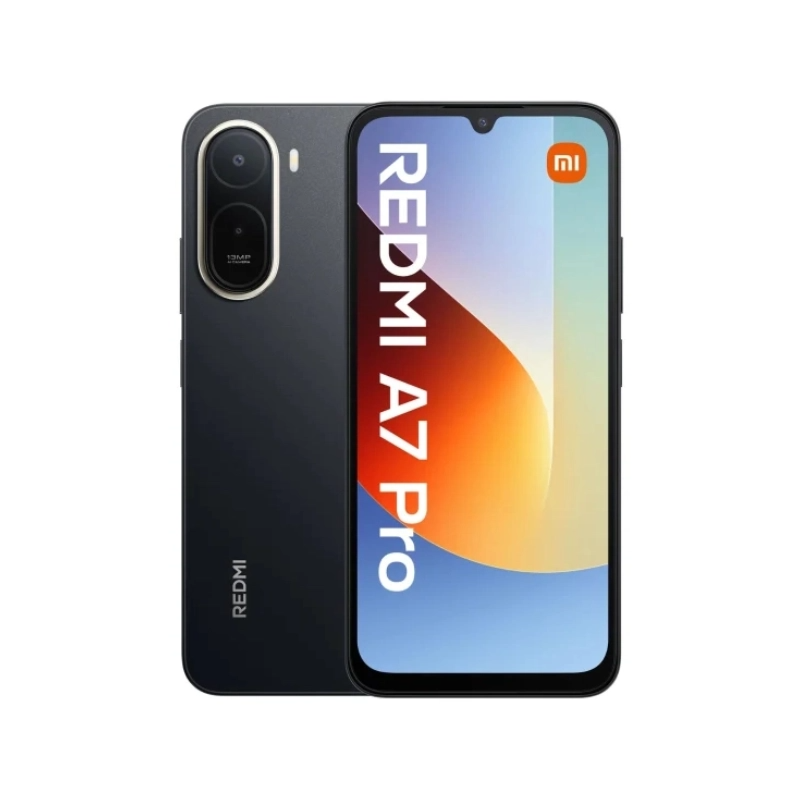
Redmi A7 and A7 Pro 4G: Xiaomi’s Bold Play in the Budget Smartphone Market
A Strategic Push Into the Ultra-Affordable Segment
Xiaomi has once again sharpened its focus on the entry-level smartphone market with the launch of the Redmi A7 4G and Redmi A7 Pro 4G—two devices designed to deliver essential smartphone experiences at aggressively low price points.
Unveiled in April 2026, the new A-series models continue Xiaomi’s long-standing strategy: undercut competitors while offering a surprisingly rich feature set. Positioned below mid-range devices, these phones are aimed squarely at budget-conscious consumers—especially first-time smartphone buyers or users seeking reliable secondary devices.
The launch comes at a time when competition in the sub-$150 segment is intensifying, with brands like Samsung, Realme, and others aggressively targeting price-sensitive markets.
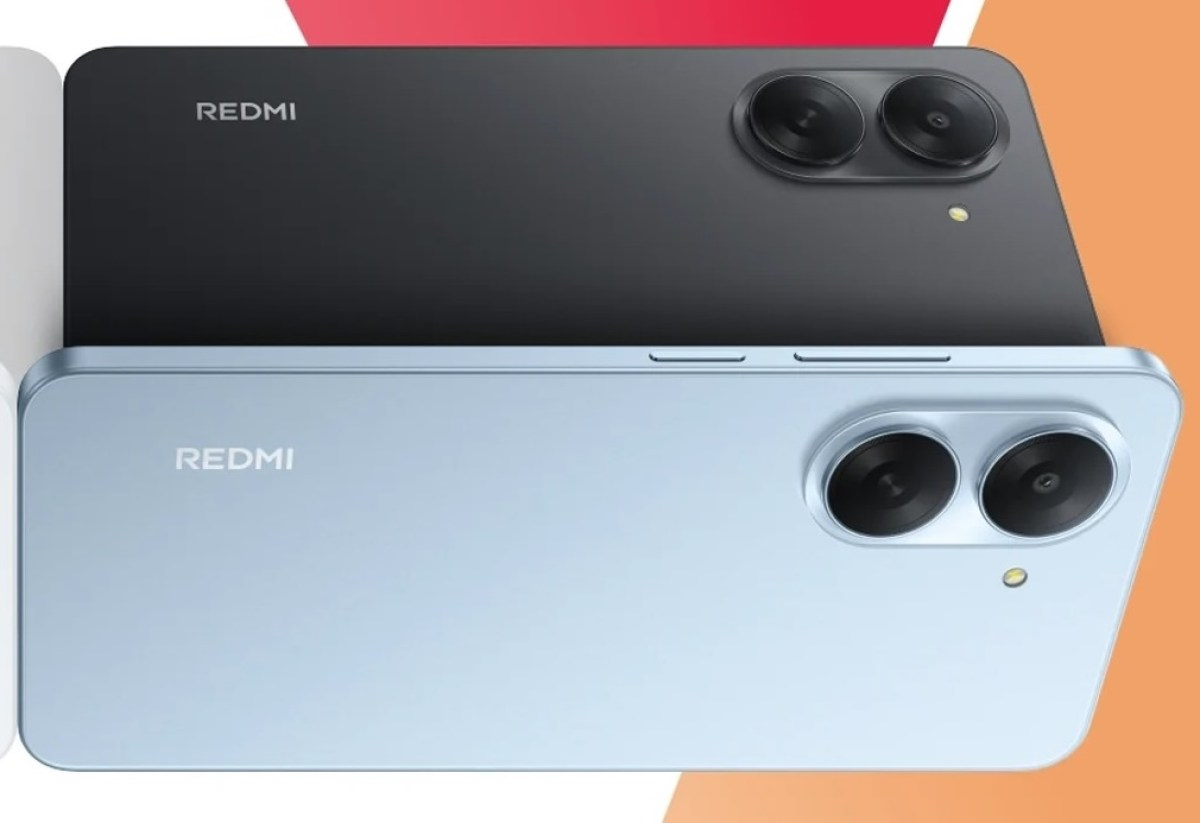
Pricing That Defines the Segment
Xiaomi’s pricing strategy remains one of its strongest competitive advantages. The Redmi A7 and A7 Pro are priced to appeal to users who want maximum value without stretching their budgets.
- Redmi A7 4G: ₹10,499 (approximately $112)
- Redmi A7 Pro 4G: ₹11,499 (approximately $123)
In markets like Kenya, the Pro model is available for around KES 12,300, reinforcing its positioning as an affordable yet capable device.
For comparison, competing devices such as Samsung’s Galaxy A17 retail at higher price points, highlighting Xiaomi’s aggressive undercutting strategy.
Display and Design: Big Screens, Smooth Experience
One of the standout features of both devices is their large display—an increasingly important factor for users consuming video, social media, and web content.
- Redmi A7: 6.88-inch LCD
- Redmi A7 Pro: 6.9-inch LCD
Both models feature:
- HD+ resolution
- 120Hz refresh rate
- Up to 240Hz touch sampling rate
This combination is unusual at this price level. While the resolution remains modest, the high refresh rate ensures smoother scrolling and improved responsiveness—key for everyday usability.
The A7 Pro also offers higher brightness levels, reaching up to 800 nits, improving outdoor visibility.
Performance: Built for Everyday Tasks
At the heart of both devices lies the Unisoc T7250 chipset, an octa-core processor clocked at up to 1.8GHz.
- RAM: up to 4GB
- Storage: 64GB (expandable via microSD)
This configuration is clearly optimized for:
- Social media usage
- Video streaming
- Web browsing
- Light multitasking
However, expectations should be calibrated. The chipset is not designed for demanding gaming or intensive workloads. In fact, lower RAM variants—particularly the 3GB configuration on the standard A7—may experience limitations over time due to memory constraints.
Still, for its target audience, the performance is considered adequate and stable.
Battery Life: A Key Selling Point
Battery capacity is where Xiaomi strongly differentiates these devices.
- Redmi A7: 5,200mAh battery
- Redmi A7 Pro: 6,300mAh battery
The Pro variant, in particular, stands out with its massive battery, capable of lasting more than a full day under typical use.
Both devices support:
- 15W wired charging
- 7.5W reverse wired charging
While charging speeds are modest by modern standards, the battery endurance compensates significantly—especially for users in regions where frequent charging may not be convenient.
Camera Setup: Functional, Not Fancy
Photography on budget devices is typically a compromise, and the A7 series follows that pattern.
Both phones feature:
- 13MP rear camera
- 8MP front camera
The setup is designed for:
- Casual photography
- Video calls
- Social media sharing
Advanced photography features are limited, but Xiaomi enhances usability through software features like HDR and AI-assisted imaging.
Software and Longevity: A Clear Differentiator
Software support is where Xiaomi introduces a notable distinction between the two models.
- Redmi A7:
- Android 15-based HyperOS 2
- 2 years of OS updates
- 4 years of security patches
- Redmi A7 Pro:
- Android 16-based HyperOS 3
- Up to 4 years of OS upgrades
- Up to 6 years of security updates
The Pro model also integrates newer features such as AI tools and Google Gemini capabilities, offering a more future-ready experience.
This extended software lifecycle could significantly influence buyer decisions, especially for users planning long-term use.
Connectivity and Practical Features
Despite being budget devices, the A7 series retains several practical features that are increasingly rare:
- MicroSD card slot for expandable storage
- 3.5mm headphone jack
- Dual-SIM support
- Side-mounted fingerprint scanner
However, there is a critical limitation:
Both devices are 4G-only, lacking 5G connectivity.
In certain markets like the United States, compatibility is further restricted, with the A7 Pro working only on T-Mobile-based networks and their derivatives.
Market Position: Who Are These Phones For?
The Redmi A7 and A7 Pro are clearly tailored for:
- First-time smartphone users
- Budget-conscious buyers
- Emerging markets with strong 4G infrastructure
- Users prioritizing battery life and screen size over performance
They are not designed for:
- High-performance gaming
- Advanced photography
- Premium multimedia experiences
Instead, Xiaomi is targeting users who need a reliable, affordable daily driver.
Competitive Landscape
The A7 series faces competition from devices such as:
- Realme P4 Lite 4G
- Ai+ Nova 2 (with 5G support)
While some rivals offer better hardware or 5G connectivity, Xiaomi counters with:
- Strong battery performance
- Clean software experience
- Aggressive pricing
Final Verdict: Value Above All
The Redmi A7 and A7 Pro 4G represent a calculated move by Xiaomi to dominate the ultra-budget segment in 2026.
They don’t attempt to redefine smartphone performance or innovation—instead, they focus on what matters most to their target audience:
- Large displays
- Long battery life
- Affordable pricing
- Reliable everyday performance
For users seeking a no-frills smartphone that delivers on essentials, the A7 series offers compelling value. However, those looking for future-proof features like 5G or higher-end performance may need to look elsewhere.


