
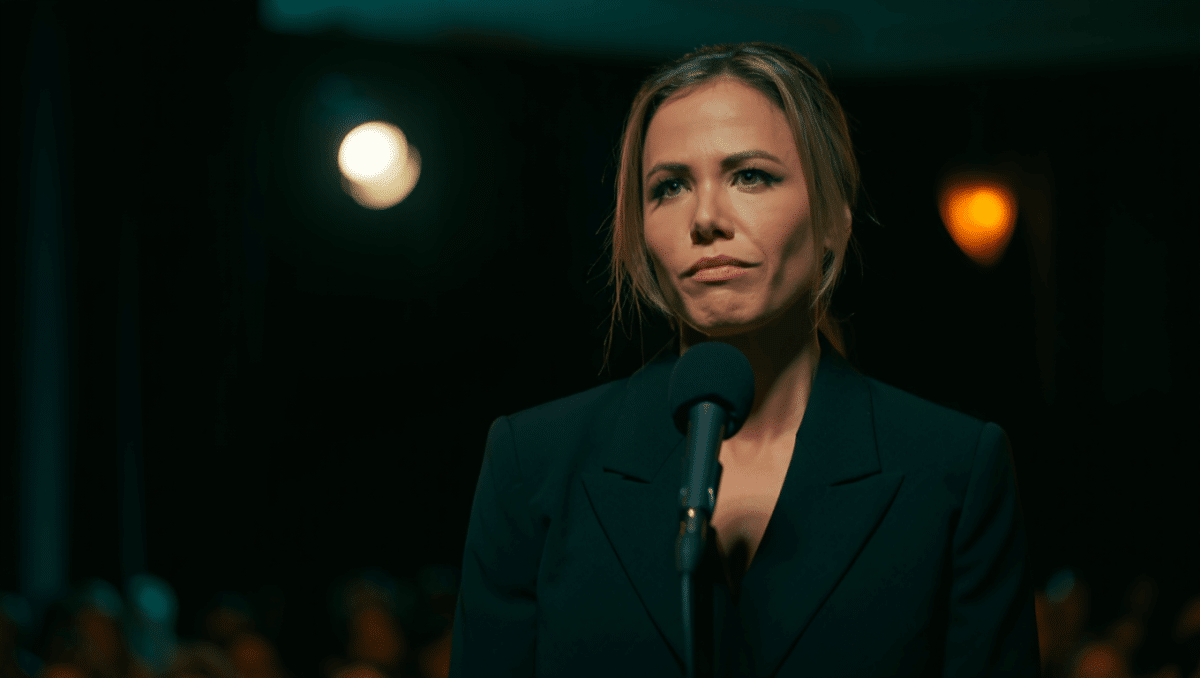
Shane Gillis and Chelsea Handler Clash Turns Netflix Roast Into Comedy’s Most Controversial Moment
What began as a high-profile celebrity roast for Kevin Hart quickly transformed into one of the most talked-about controversies in comedy this year. During Netflix’s live-streamed The Roast of Kevin Hart on May 10, 2026, comedian Shane Gillis reignited scrutiny around Chelsea Handler’s past connection to Jeffrey Epstein, triggering an explosive online debate about comedy, accountability, and the increasingly blurred line between roast humor and real-world controversy.
The exchange instantly became the defining moment of the evening, overshadowing appearances from stars including Pete Davidson, Jeff Ross, Lizzo, Dwayne “The Rock” Johnson, and Katt Williams. Within hours, clips from the roast flooded social media platforms, with audiences divided over whether Gillis crossed a line or simply delivered the kind of brutal honesty roast culture has always encouraged.
The incident has since evolved into something much bigger than a single joke.
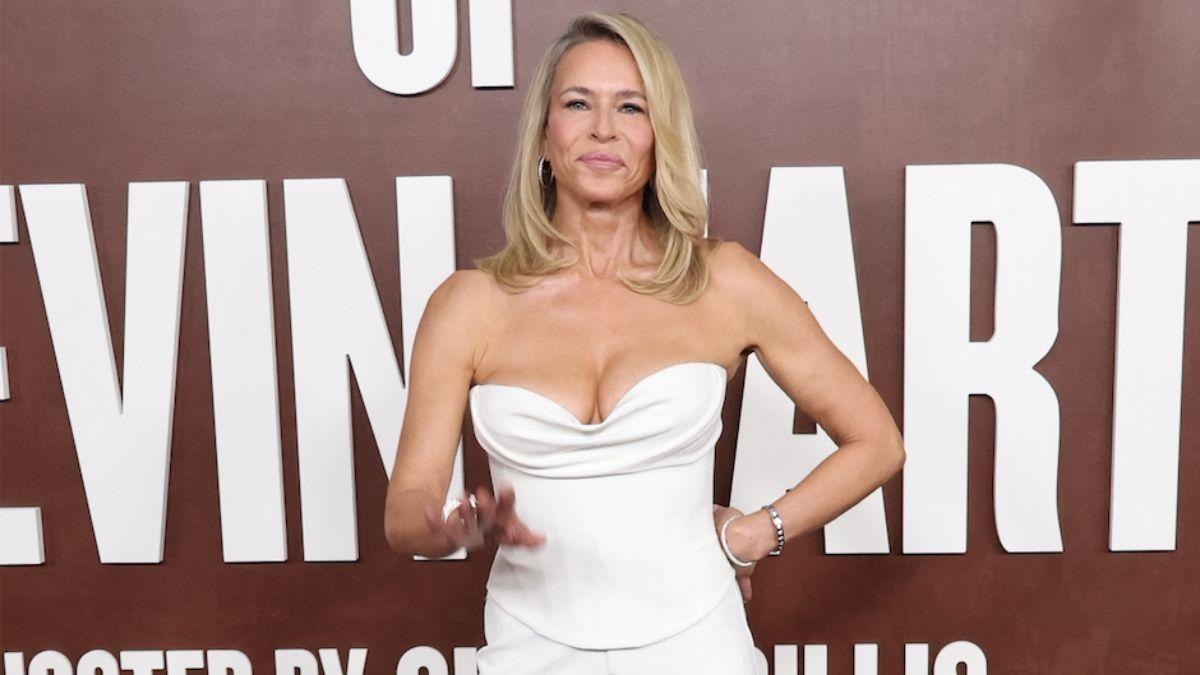
A Roast Designed for Chaos
Netflix heavily promoted The Roast of Kevin Hart as a no-holds-barred live comedy spectacle hosted by Shane Gillis at the Kia Forum in Los Angeles. The special was part of the larger Netflix Is A Joke Fest 2026 and featured a lineup of comedians and celebrities prepared to take aim at Hart’s personal life, career, and controversies.
Roasts have long relied on shock value, personal attacks, and uncomfortable humor. But this event escalated beyond traditional celebrity teasing when Gillis shifted attention toward Chelsea Handler and her previously discussed appearance at a 2010 dinner hosted by Jeffrey Epstein.
According to multiple reports, Gillis told the crowd:
“Chelsea Handler went to dinner at Jeffrey Epstein’s house in 2010. Look it up, there are articles.”
He reportedly added that the gathering included Prince Andrew and Woody Allen, intensifying audience reaction and social media attention almost immediately.
The Dinner That Returned to the Spotlight
The controversy centers around a dinner Handler attended at Epstein’s Manhattan townhouse in 2010 — years before Epstein’s 2019 arrest and death.
Handler publicly discussed the dinner during a 2021 appearance on Rob Lowe’s Literally! podcast, describing the experience as “awkward and weird.” She claimed she did not know who Epstein was at the time and emphasized that she had only met him once.
According to Handler’s own recounting, the dinner included several high-profile guests, among them Woody Allen, Soon-Yi Previn, Katie Couric, Charlie Rose, and Prince Andrew.
“I did go to dinner at Jeffrey Epstein’s house,” Handler said during the podcast. “I didn’t know who Jeffrey Epstein was.”
She also clarified:
“I’ve never been on the private island, and I’ve never been on his plane. I’ve met him one time, and that was the time.”
Those comments resurfaced immediately after the Netflix roast, with critics revisiting Handler’s past explanations and debating whether celebrities who encountered Epstein before his downfall deserve ongoing scrutiny.
The controversy gained additional momentum because Epstein’s social circle continues to attract public fascination and outrage years after his death.
Handler Fires Back on Stage
Chelsea Handler did not remain silent during the roast.
Rather than directly defend herself, she responded with aggressive counterattacks aimed at Gillis and other comedians onstage. Handler mocked Gillis’ controversial history surrounding offensive podcast remarks that previously led to his firing from Saturday Night Live in 2019.
Reports from the event described the atmosphere as unusually tense for a roast format, with several jokes moving beyond playful humiliation into politically charged territory.
Handler also turned the Epstein references into dark comedy herself, joking:
“Welcome to tonight’s episode of To Catch a Predator.”
She later added:
“We’re all just lucky none of you could afford an island.”
Those responses drew both applause and criticism online, with some viewers praising her willingness to engage directly while others argued the subject matter should never have been used for comedy at all.
Why the Exchange Resonated So Strongly
The viral reaction reflects a larger cultural shift in how audiences process celebrity controversy.
For years, comedy roasts operated under an unofficial rule: nearly everything was fair game. But modern audiences increasingly question whether certain topics — including abuse allegations, criminal scandals, and political extremism — should remain part of entertainment.
The Gillis-Handler confrontation landed directly in the middle of that debate.
On one side were viewers who argued that roast comedy is intentionally offensive and that no participant should expect protection from harsh jokes. On the other were critics who believed invoking Epstein trivialized a deeply disturbing criminal case involving real victims.
The tension was amplified by the personal histories of both comedians.
Shane Gillis has built a career around deliberately provocative humor and has become one of comedy’s most commercially successful yet divisive figures in recent years. His popularity surged after his Netflix specials and podcast success despite earlier backlash over offensive comments.
Chelsea Handler, meanwhile, has long cultivated a confrontational comedic persona rooted in politics, celebrity culture, and social commentary. Her critics often accuse her of hypocrisy, while supporters praise her willingness to address controversial issues head-on.
Their collision at Netflix’s roast therefore felt inevitable to many comedy fans.
Social Media Turned the Roast Into a Cultural Event
Almost immediately after the live broadcast, clips of Gillis and Handler spread across TikTok, X, Instagram, and YouTube.
Searches related to “Shane Gillis Chelsea Handler” surged as users dissected individual lines from the roast and debated whether either comedian had gone too far.
Entertainment publications rapidly published breakdowns of the exchange, while commentators framed the moment as evidence of comedy entering a new era of ideological and cultural conflict.
Some viewers focused on the ethics of resurrecting Handler’s Epstein dinner. Others focused on Gillis himself, arguing that a comedian with his own history of controversy was in no position to lecture anyone else.
Meanwhile, supporters of Gillis defended the joke as factual because Handler herself had openly discussed attending the dinner years earlier.
That disagreement helped fuel the controversy for days after the broadcast.
Netflix’s Growing Bet on Risky Live Comedy
The incident also highlights Netflix’s aggressive expansion into live comedy events.
Following the enormous attention generated by The Roast of Tom Brady in 2024, Netflix increasingly leaned into live celebrity roasts as appointment-viewing spectacles capable of dominating online conversation.
From Netflix’s perspective, controversy often translates directly into engagement.
The Kevin Hart roast generated widespread media coverage, trending hashtags, viral clips, and intense debate — precisely the kind of attention streaming platforms seek in an increasingly competitive entertainment environment.
Still, the backlash surrounding Gillis and Handler may force streaming executives to consider whether future roasts need clearer boundaries.
Several reports also suggested that some of the harshest jokes from the event were cut from Netflix’s final edited release, indicating even producers recognized the material’s potential sensitivity.
The Bigger Question Facing Comedy
The Shane Gillis and Chelsea Handler controversy ultimately reflects a larger identity crisis within stand-up comedy itself.
Modern comedians increasingly operate in an environment where jokes instantly escape the room, circulate globally online, and become subjects of political and cultural analysis rather than isolated entertainment.
That reality changes the stakes dramatically.
For decades, roasts existed largely as niche televised events with limited audiences. Today, a single joke can become an international headline within minutes.
The Gillis-Handler exchange demonstrated how quickly comedy now intersects with broader conversations about accountability, power, celebrity privilege, and public memory.
Whether audiences view the moment as fearless comedy or irresponsible provocation depends largely on where they already stand in those cultural debates.
But one thing is undeniable: the confrontation succeeded in doing exactly what modern entertainment increasingly demands — making people pay attention.
Conclusion
The fallout from Shane Gillis’ remarks about Chelsea Handler at Netflix’s Roast of Kevin Hart has become far more significant than a single controversial joke. It reopened scrutiny surrounding Handler’s past association with Jeffrey Epstein, reignited debate over the limits of roast comedy, and highlighted the increasingly volatile relationship between celebrity culture and online outrage.
For Netflix, the controversy reinforced the enormous attention live comedy events can generate. For Gillis and Handler, it became another chapter in careers already defined by controversy and confrontation.
And for audiences, the moment served as a reminder that in modern entertainment, comedy no longer exists in isolation. Every punchline now carries the potential to become a cultural flashpoint.


