



The End of Samsung Messages: What It Means for Android’s Future
A Quiet Exit That Signals a Major Shift
For years, the Samsung Messages app was a default fixture on millions of Galaxy smartphones—simple, reliable, and deeply integrated into Samsung’s ecosystem. Now, that era is ending.
- A Quiet Exit That Signals a Major Shift
- Why Samsung Messages Is Being Phased Out
- What Happens in July 2026
- What Galaxy Users Should Expect
- How to Switch to Google Messages
- The Bigger Picture: Android’s Messaging Consolidation
- What Comes Next
- Should Users Be Concerned?
- Conclusion: The End of an App, the Start of a Standard
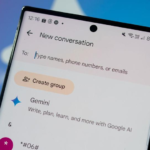
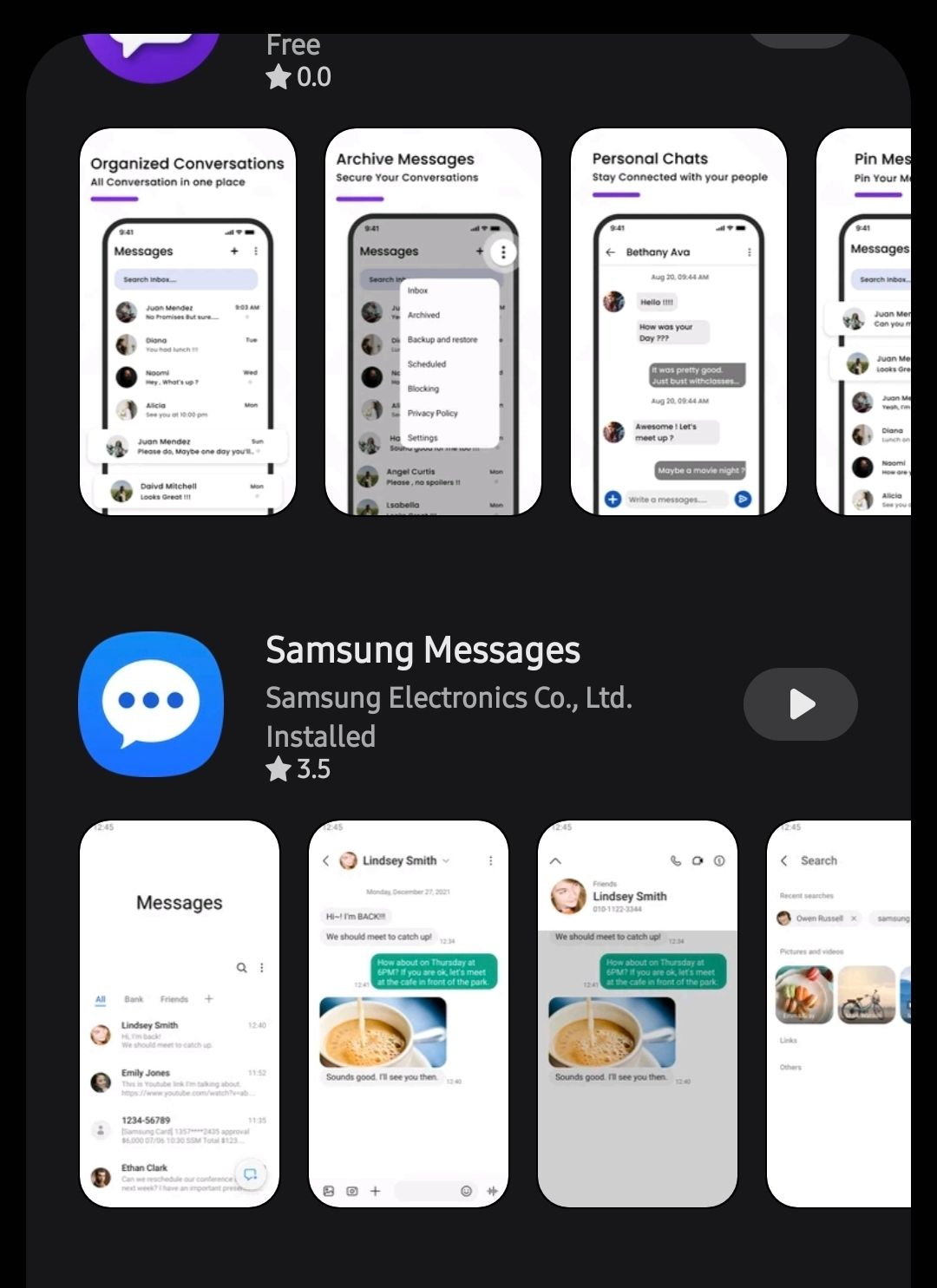
Samsung Electronics has confirmed that it will discontinue its proprietary messaging app in July 2026, replacing it entirely with Google Messages. This is not a routine product update. It is a structural shift in how messaging works across Android.
The move reflects a broader transformation: messaging is no longer a brand-level feature—it is becoming a platform-level service.

Why Samsung Messages Is Being Phased Out
1. The Decline of SMS and the Rise of RCS
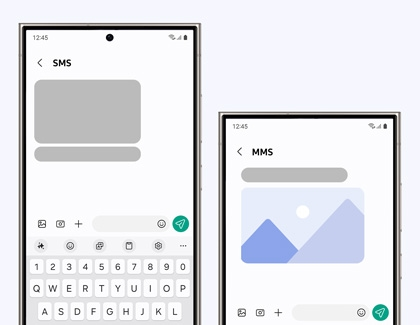
Traditional SMS has reached its limits. It lacks encryption, rich media support, and real-time interaction features. In contrast, Rich Communication Services (RCS) introduces a modern messaging layer with capabilities such as:
- Typing indicators
- Read receipts
- High-resolution photo and video sharing
- Wi-Fi-based messaging
- Advanced group chats
Samsung’s native app struggled to match the consistency and scale of RCS as implemented in Google’s ecosystem. By consolidating around Google Messages, Samsung ensures users get a more unified and reliable experience.



2. Google’s Increasing Control of Android Services
Over the past few years, Google has been standardizing key Android services—search, maps, voice assistants, and now messaging.
Samsung’s decision aligns with that direction. Rather than maintaining parallel apps, the company is choosing to:
- Reduce redundancy in software
- Deliver faster updates through Google’s infrastructure
- Focus internal resources on hardware innovation
This transition has already been underway. Newer Galaxy devices, including recent flagship series, stopped pre-installing Samsung Messages and instead defaulted to Google Messages.
3. AI Integration Is Reshaping Messaging
Messaging is no longer just about sending text—it is evolving into an AI-assisted communication layer.


Google Messages now integrates advanced features powered by Gemini, including:
- Smart replies and contextual suggestions
- AI-assisted message composition
- Spam detection and filtering
- Image editing tools such as “remix”
Samsung would need to invest heavily to match this pace. Instead, it is leveraging Google’s AI ecosystem while focusing its own efforts on device-level innovations.
What Happens in July 2026
Samsung has issued an official end-of-service notice confirming that:
- The Samsung Messages app will stop functioning for regular messaging in July 2026
- It will no longer be available for download after shutdown
- Only emergency messaging will remain functional as a fallback
Users are strongly advised to switch to Google Messages before the cutoff to avoid disruptions.
The transition affects devices running Android 12 and newer, while older devices may remain unaffected for now.
What Galaxy Users Should Expect
A Gradual Transition, Not a Sudden Disruption
For most users, the change will be seamless:
- Existing SMS and chat histories remain intact
- Contacts and conversations continue without interruption
- Google Messages becomes the default messaging app
However, users may notice:
- A different user interface
- New settings and configuration options
- Enhanced features such as RCS chats
Key Benefits of Switching
Despite initial resistance from long-time users, the shift brings measurable improvements:
- Better messaging quality through RCS
- Cross-device syncing across phones, tablets, and wearables
- Enhanced security and spam protection
- AI-powered communication tools
Google Messages also improves interoperability, especially as RCS adoption expands globally.
Potential Trade-Offs
Some users may lose features they valued in Samsung Messages, including:
- Advanced customization options
- Deep integration with certain Samsung-specific services
- Familiar interface design
Community reactions reflect this divide. While some users view the move as inevitable, others express concern about losing a uniquely “Samsung” experience .
How to Switch to Google Messages
The transition process ensures continuity of communication while enabling modern features. Here is what the process achieves:
It allows users to adopt a unified messaging platform with improved functionality, while maintaining access to existing conversations.
Steps to Switch
- Open or download Google Messages
- Tap “Set default SMS app”
- Select Google Messages
- Confirm permissions (contacts, notifications, etc.)
- Begin using it as your primary messaging platform
Users may also receive automatic prompts guiding them through this process.
The Bigger Picture: Android’s Messaging Consolidation
This decision is not isolated. It reflects a structural evolution in the Android ecosystem:
- Messaging is becoming centralized under Google
- Device manufacturers are reducing proprietary software layers
- AI is becoming embedded in everyday communication tools
The comparison is clear: just as Apple unified messaging under iMessage, Android is moving toward a single, standardized solution.
What Comes Next
Several developments are likely to follow:
Cross-Platform Messaging Expansion
RCS is expected to work more seamlessly across Android and iPhone, reducing compatibility gaps.
Deeper AI Integration
Messaging apps will increasingly function as intelligent assistants, capable of summarizing conversations, suggesting replies, and automating tasks.
Further Software Consolidation
Samsung may continue replacing other proprietary apps with Google alternatives where strategic alignment makes sense.
Should Users Be Concerned?
From a technical standpoint, there is little cause for concern:
- Messages remain secure and accessible
- The transition is gradual
- Functionality improves in most cases
The primary adjustment is behavioral—users will need to adapt to a new interface and feature set.
Conclusion: The End of an App, the Start of a Standard
The discontinuation of Samsung Messages marks the end of a long-standing feature in the Galaxy ecosystem. However, it also signals something more significant: the maturation of Android as a unified platform.
By aligning with Google Messages and RCS, Samsung is prioritizing:
- Simplicity
- Scalability
- A consistent user experience
This is less about removing an app and more about redefining how messaging works across devices, platforms, and ecosystems.
The result is a more integrated, AI-enhanced, and future-ready communication system—one that reflects where mobile technology is heading next.