




Chicken Sausage Rolls: The New Twist on a Classic Favorite
A Changing Taste in a Familiar Staple
For decades, sausage rolls have held a firm place in everyday food culture—simple, satisfying, and widely loved. Traditionally associated with pork, the humble sausage roll has long been considered a bakery essential. But in 2026, that familiar identity is shifting.
- A Changing Taste in a Familiar Staple
- From Tradition to Transformation
- What Defines the Chicken Sausage Roll?
- A Product Launch Framed by Scale
- Public Reaction: Divided but Engaged
- Flavor and Consumer Experience
- Marketing Without the Hype
- Cultural and Market Implications
- What Comes Next?
- Conclusion: Reinventing the Familiar
The introduction of chicken sausage rolls marks a notable evolution in how this classic snack is perceived and consumed. What was once seen as a fixed, almost untouchable recipe is now being reinterpreted to meet changing consumer tastes, dietary preferences, and cultural expectations.
This shift is not happening quietly. It is being driven by one of the most recognizable bakery brands in the UK—Greggs—which has officially launched a new chicken-based version of its iconic product.


From Tradition to Transformation
The sausage roll has always been synonymous with pork filling wrapped in flaky puff pastry. For many, altering that formula raises a fundamental question: can it still be called a sausage roll?
Yet, innovation in food is rarely about preserving tradition unchanged. It is about adapting to new demands.



In 2019, Greggs disrupted expectations with the launch of its vegan sausage roll, a move that sparked intense debate but ultimately proved commercially successful. Now, seven years later, the company is expanding its offering again—this time with a chicken sausage roll.
This development is not random. It reflects a broader pattern in the food industry: diversification of ingredients to accommodate different dietary needs and preferences.
What Defines the Chicken Sausage Roll?
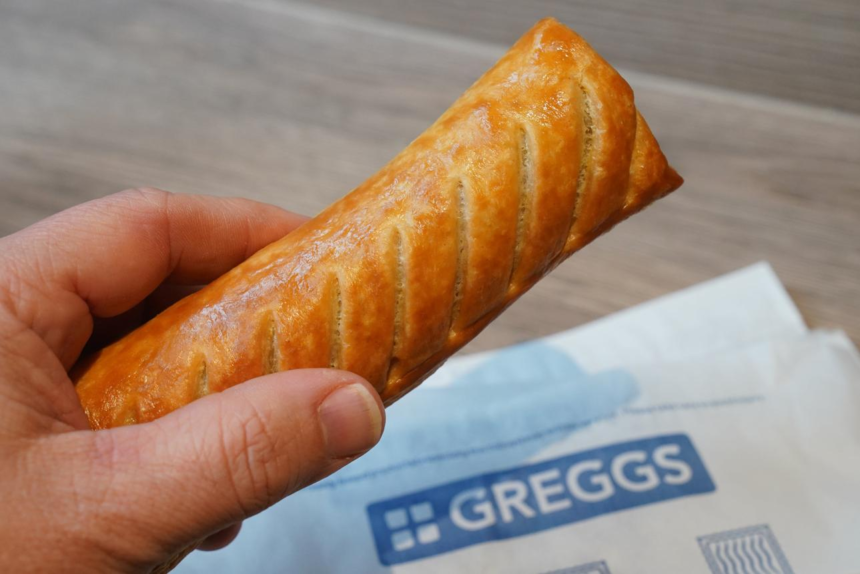
At its core, the chicken sausage roll retains the structural identity of the classic product:
- A cylindrical shape
- Layers of crisp, golden, glazed puff pastry
- A savory filling designed for convenience and portability
The key difference lies in the filling. Instead of pork, the new version uses seasoned chicken, offering a lighter alternative that appeals to a wider audience.



From a nutritional perspective, the distinction is also measurable. Each chicken roll contains approximately 305 calories, compared to 348 calories in the traditional pork version. This represents a reduction of 33 calories, a detail that may influence consumer choices in a market increasingly focused on health-conscious eating.
The product is priced at £1.35, aligning it directly with the original sausage roll, ensuring accessibility remains unchanged.
A Product Launch Framed by Scale
To understand the significance of this launch, it is necessary to consider the scale of sausage roll consumption.
- Greggs sells millions of sausage rolls annually, with estimates reaching over 130 million per year in earlier reports
- By 2026, sales are said to exceed one million sausage rolls per day
These figures demonstrate that sausage rolls are not a niche product—they are a mass-market staple. Any variation introduced at this scale has immediate and widespread visibility.
The chicken sausage roll is therefore not just a menu addition; it is a strategic move within a high-volume food ecosystem.
Public Reaction: Divided but Engaged
As with any modification to a beloved food item, public response has been mixed.
Some consumers remain firmly attached to tradition. One reaction captured the sentiment directly:
“A sausage roll is not a sausage roll without sausage!”
Others have welcomed the innovation, particularly those who avoid pork for dietary, cultural, or religious reasons. For this group, the chicken version represents long-awaited inclusivity in a mainstream product.
There is also a segment of consumers who view the change with curiosity rather than resistance, treating it as a novelty worth trying.
This spectrum of reactions highlights a broader truth: food is deeply personal. Changes to familiar products often provoke emotional responses that go beyond taste.
Flavor and Consumer Experience
Initial descriptions of the chicken sausage roll suggest a flavor profile that is approachable rather than revolutionary.
Some early impressions compare it to familiar processed chicken flavors, such as:
- Chicken and mushroom instant noodles
- Roast chicken crisps
This positioning matters. Rather than aiming for gourmet reinvention, the product appears designed for everyday consumption—quick, convenient, and predictable.
In that sense, the chicken sausage roll aligns with the functional role that sausage rolls have always played: a reliable snack for commuters, workers, and anyone seeking a fast, warm bite.
Marketing Without the Hype
Interestingly, the rollout of the chicken sausage roll has been more subdued than previous launches.
When the vegan sausage roll debuted in 2019, it generated extensive media coverage, social media debate, and even political commentary. In contrast, the chicken version has entered the market with relatively less fanfare.
Even promotional efforts—such as a temporary 1990s-themed video store activation in Soho—did not attract the same level of public excitement.
This difference suggests a shift in both brand perception and consumer expectations. Greggs is no longer seen as an underdog innovator but as an established fast-food player, where new products are expected rather than surprising.
Cultural and Market Implications
The introduction of chicken sausage rolls reflects several broader trends in the food industry:
1. Expanding Dietary Inclusivity
Chicken offers an alternative for individuals who do not consume pork, opening the product to new demographics.
2. Incremental Innovation
Rather than radical changes, brands are focusing on small, strategic variations that build on existing success.
3. Normalization of Alternatives
What was once controversial—such as non-pork sausage rolls—is becoming standard.
4. Scale-Driven Experimentation
Large chains can test new products quickly and at scale, gathering real-time consumer feedback.
These factors indicate that the chicken sausage roll is part of a wider evolution rather than an isolated experiment.
What Comes Next?
The future of chicken sausage rolls will depend on sustained consumer demand. Several potential developments could follow:
- Expansion into additional flavors or variations
- Integration into meal deals and promotional bundles
- Adaptation for international markets
- Competition from other bakery and fast-food chains
If successful, the chicken sausage roll could become a permanent fixture alongside traditional and vegan options, completing what Greggs has described as its “iconic roll trilogy.”
Conclusion: Reinventing the Familiar
Chicken sausage rolls represent a careful balance between tradition and innovation. They do not attempt to replace the classic pork version but instead expand the category to reflect modern eating habits.
The mixed reactions they have generated are not a weakness—they are evidence of relevance. When a simple food item can spark debate, it suggests that it still holds cultural significance.
Ultimately, the success of the chicken sausage roll will not be determined by headlines or initial reactions. It will be measured by everyday choices—what people pick up on their way to work, during lunch breaks, or as a quick snack.
And if current trends continue, the definition of a “sausage roll” may become broader than ever before.