



Beyers Swanepoel: A Career at a Crossroads After Cricket Controversy
Introduction: From Rising All-Rounder to Headline Controversy
In April 2026, South African cricketer Beyers Swanepoel found himself at the center of one of the most talked-about controversies in domestic cricket. What began as a promising transition to county cricket in England quickly escalated into a disciplinary crisis that has put his professional future under scrutiny.
- Beyers Swanepoel: A Career at a Crossroads After Cricket Controversy
- The Incident That Changed Everything
- Immediate Fallout: Contract Termination and Public Apology
- The NOC Issue: A Critical Regulatory Barrier
- Worcestershire’s Position: Waiting in Uncertainty
- Disciplinary Proceedings: A Potential Career Turning Point
- Professional Context: A Career Built on Promise
- Broader Implications for Cricket
- What Happens Next?
- Conclusion: A Defining Moment
At the heart of the issue lies a single decision—leaving a crucial final mid-match—that has triggered contractual termination, regulatory complications, and potential disciplinary sanctions. This article examines the unfolding situation, its implications, and what lies ahead for Swanepoel.
The Incident That Changed Everything
A Final Match Exit with Major Consequences
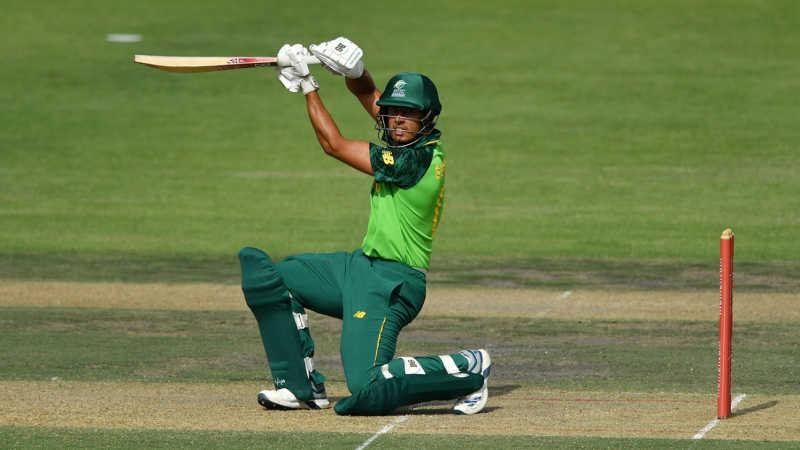
The controversy stems from Swanepoel’s unexpected departure during a domestic One-Day Cup final while representing the Johannesburg-based Lions. During the 43rd over of the match against the Titans, Swanepoel left the field—not due to injury, but to catch a flight to England after signing with Worcestershire County Cricket Club.



His exit left the Lions with only 10 players for the remainder of the match, as rules prevented a substitute fielder in non-injury situations. The team went on to lose a closely contested match, a result widely linked to his absence.
This single moment transformed a routine domestic final into a major disciplinary case.



Immediate Fallout: Contract Termination and Public Apology
Lions Take Swift Action
Following the incident, the Lions terminated Swanepoel’s contract with immediate effect—reportedly a year earlier than scheduled. The decision came after internal discussions and a disciplinary review.
Lions CEO Jono Leaf-Wright addressed the situation directly:
“It has been an unfortunate period for all parties involved but we have now brought the matter to a close, allowing everyone to move forward.”
He emphasized that the organization maintains “the highest professional standards” and treats such matters seriously.
Swanepoel Responds
Swanepoel issued a public apology, acknowledging his mistake and expressing gratitude to the Lions:



“I sincerely apologise to the entire Lions family for what transpired in the final and can assure everyone that many lessons have been learnt.”
While the apology demonstrated accountability, it did little to immediately resolve the broader regulatory complications.
The NOC Issue: A Critical Regulatory Barrier
What the No Objection Certificate Means
One of the most significant consequences of Swanepoel’s actions involves the denial of a No Objection Certificate (NOC) by Cricket South Africa.
The NOC is a mandatory clearance that allows players to participate in overseas leagues. Without it:
- Swanepoel cannot play county cricket in England
- His contract with Worcestershire remains effectively inactive
- His international career mobility is temporarily blocked
Cricket South Africa’s refusal to grant the NOC is directly linked to the manner of his departure and ongoing disciplinary proceedings.
Worcestershire’s Position: Waiting in Uncertainty
A Signing Put on Hold
Despite signing Swanepoel, Worcestershire County Cricket Club has been unable to integrate him into their squad. The club confirmed that it remains in contact with relevant authorities and is awaiting clarity on his eligibility.
Officials described the situation as premature for timelines, highlighting the complexity of international cricket regulations and compliance requirements.
In the interim, Worcestershire has signed short-term cover players, indicating contingency planning in case Swanepoel’s situation remains unresolved.
Disciplinary Proceedings: A Potential Career Turning Point
Serious Charges Under Review
Swanepoel now faces disciplinary action from Cricket South Africa for “bringing the game into disrepute,” categorized as a Level 4 offense—the most severe under the governing body’s code.
Potential outcomes include:
- Suspension from domestic and international cricket
- Financial penalties
- In extreme cases, a long-term or lifetime ban
The final decision will depend on the outcome of ongoing hearings and Swanepoel’s defense.
Professional Context: A Career Built on Promise
Before the controversy, Swanepoel was regarded as a capable all-rounder with solid domestic experience:
- 48 first-class matches
- 55 List A matches
- 48 T20 appearances
His performance in the final—figures of 3-44—underscored his value to the team, making his departure even more impactful.
His move to county cricket was expected to elevate his career, offering exposure and development opportunities in English conditions.
Broader Implications for Cricket
Professionalism and Player Mobility
This incident highlights several systemic issues within modern cricket:
1. Player Responsibility vs Opportunity
Athletes increasingly balance domestic commitments with lucrative overseas opportunities. Swanepoel’s case illustrates the risks of mismanaging this balance.
2. Regulatory Complexity
The NOC process remains a critical control mechanism for cricket boards, ensuring contractual obligations are honored before international participation.
3. Team Integrity
Leaving a match mid-play raises questions about professional ethics, team cohesion, and accountability.
What Happens Next?
Short-Term Outlook
In the immediate future, Swanepoel’s career trajectory depends on:
- The outcome of Cricket South Africa’s disciplinary hearings
- Whether he is eventually granted an NOC
- Potential interest from other domestic teams once eligible
Long-Term Prospects
If cleared and reinstated, Swanepoel may still rebuild his career—either in South Africa or abroad. However, reputational damage and trust deficits could influence future opportunities.
Conclusion: A Defining Moment
The Beyers Swanepoel situation is more than a single incident—it is a case study in modern professional sport, where individual decisions can have cascading consequences across contracts, regulations, and reputations.
At 27, Swanepoel remains at a pivotal stage in his career. Whether this episode becomes a temporary setback or a defining turning point will depend on both disciplinary outcomes and his ability to restore credibility within the cricketing ecosystem.