



Alexander Kluge: The Architect of Critical Cinema and Modern German Thought
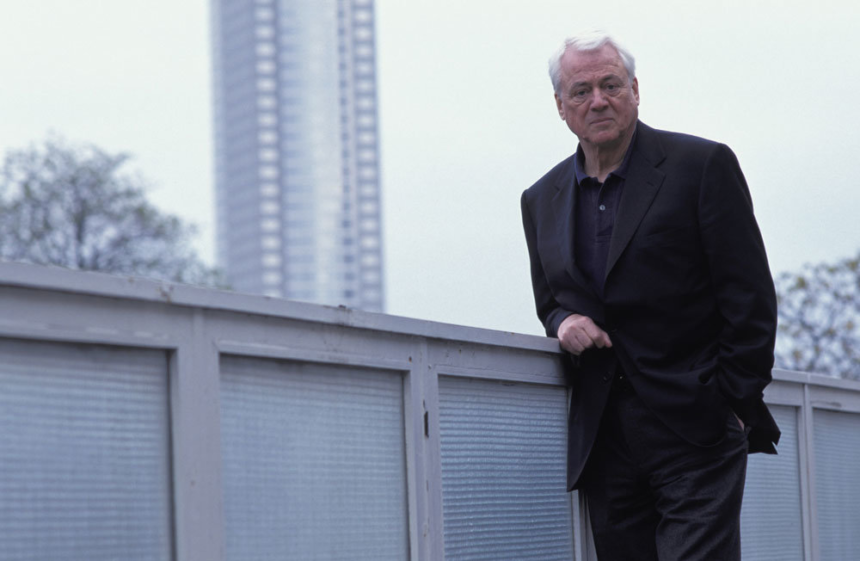
The death of Alexander Kluge at the age of 94 marks the end of an era in European intellectual and cinematic history. A defining figure of the New German Cinema movement, Kluge’s work consistently challenged conventional storytelling, reshaped visual language, and bridged disciplines ranging from philosophy and literature to television and political theory.
- A Life Formed by War, Thought, and Intellectual Resistance
- Breaking Cinema Apart: The New German Cinema Pioneer
- Cinema as Critique: A Counter-Public Sphere
- Beyond Film: Television as Experimental Platform
- Literary Innovation: The Writer as Social Critic
- Philosophy of Reality and Media
- Awards, Recognition, and Cultural Authority
- Final Years and Enduring Legacy
- Conclusion: A Legacy of Intellectual Resistance
His career was not merely prolific—it was structurally influential. Kluge did not just participate in post-war German cultural renewal; he helped design its intellectual framework.
A Life Formed by War, Thought, and Intellectual Resistance
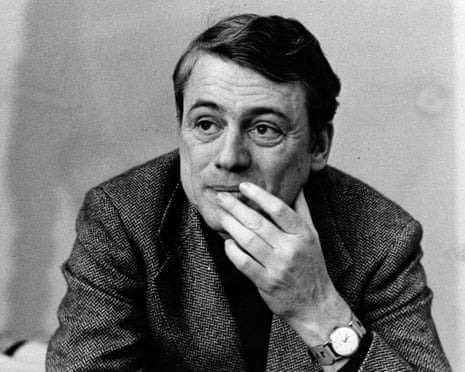
Born on 14 February 1932 in Halberstadt, Germany, Kluge’s early life was shaped by the turbulence of World War II. This historical backdrop would later inform his persistent engagement with memory, trauma, and the moral responsibilities of art.
He studied history, law, and music at institutions including Goethe University Frankfurt, earning a doctorate in law in 1956. During this period, he became closely associated with Theodor W. Adorno and the Frankfurt School—an intellectual movement rooted in neo-Marxist cultural criticism.
This relationship proved decisive. Under Adorno’s guidance, Kluge transitioned toward filmmaking, eventually working as an assistant to Fritz Lang, one of Germany’s most influential directors.

Breaking Cinema Apart: The New German Cinema Pioneer
Kluge emerged as a central figure in the New German Cinema movement, a post-war effort to redefine German filmmaking. In 1962, he was among the signatories of the Oberhausen Manifesto, which declared that “Papa’s cinema is dead,” signaling a break from traditional commercial filmmaking.
His early film Brutality in Stone (1960) set the tone—an experimental montage confronting Germany’s Nazi past. Rather than narrative clarity, Kluge favored fragmentation, juxtaposition, and intellectual provocation.
Landmark Films and Recognition
His most notable works include:
- Yesterday Girl (1966)
- Artists Under the Big Top: Perplexed (1968)
- The Power of Feelings (1983)
In 1968, he won the Golden Lion at the Venice Film Festival, cementing his international reputation as a filmmaker who blurred the line between cinema and philosophical inquiry.



His films frequently rejected linear storytelling, instead constructing what critics described as “cinematic essays”—works that required active interpretation rather than passive consumption.
Cinema as Critique: A Counter-Public Sphere
Kluge’s work was deeply political, though rarely in overt or didactic ways. Drawing from Frankfurt School theory, he sought to create what he described as a “counter-public sphere”—an alternative space where audiences could critically engage with media, history, and ideology.
His films often critiqued:
- Mass media’s construction of “reality”
- The commodification of culture
- Historical amnesia in post-war Germany
This intellectual orientation distinguished him from many contemporaries. While others pursued narrative innovation, Kluge pursued epistemological disruption—questioning how knowledge itself is constructed and consumed.
Beyond Film: Television as Experimental Platform
In 1987, Kluge founded the television production company DCTP (Development Company for Television Program). This move extended his experimental philosophy into broadcast media.
His television work featured:
- Documentary-style programming without traditional narration
- Interviews with philosophers, artists, and scientists
- Hybrid formats blending fact, fiction, and satire
These programs aired on major German channels such as RTL, Sat.1, and VOX, demonstrating that experimental content could coexist within commercial media systems.
Literary Innovation: The Writer as Social Critic
Parallel to his filmmaking, Kluge built a substantial literary career. His writing—often composed of short, fragmented narratives—mirrored his cinematic techniques.
Key characteristics of his literary work include:
- Narrative disruption and non-linear structure
- Integration of documents, essays, and fictional elements
- A detached, analytical tone
His major works of social theory, including Public Sphere and Experience (co-authored with Oskar Negt), expanded on Jürgen Habermas’ concept of the public sphere, proposing a new framework rooted in working-class experience.
Another landmark publication, Chronicle of Feelings (2000), has been described as a “modern epic,” combining hundreds of stories into a vast exploration of emotional and historical consciousness.
Philosophy of Reality and Media
Kluge’s critique of media extended beyond aesthetics into epistemology. In one of his reflections, he argued that:
“Human beings are not interested in reality… They prefer to lie than to become divorced from their wishes…”
This perspective encapsulates his lifelong skepticism toward the idea of objective reality in media. For Kluge, storytelling—whether in film, literature, or television—was always an act of construction, shaped by desire, ideology, and power.
Awards, Recognition, and Cultural Authority
Kluge’s influence was recognized across multiple disciplines. His awards include:
- Georg Büchner Prize (Germany’s highest literary honor)
- Heinrich von Kleist Prize
- Theodor W. Adorno Award
- Grimme Award for television
He also received the Pour le Mérite for Sciences and Arts in 2024, one of Germany’s most prestigious distinctions.
These honors reflect not only his artistic achievements but also his intellectual authority within European cultural discourse.
Final Years and Enduring Legacy
Even into his later years, Kluge remained active. His work continued to appear in film festivals, including the presentation of his debut feature Primitive Diversity in 2025.
He died on 25 March 2026 in Munich at the age of 94.
His death leaves a significant void—not just in cinema, but in the broader landscape of critical thought.
Conclusion: A Legacy of Intellectual Resistance
Alexander Kluge’s career cannot be confined to a single discipline. He was simultaneously:
- A filmmaker who redefined cinematic language
- A writer who dismantled narrative conventions
- A theorist who challenged dominant structures of knowledge
His work consistently resisted simplification. It demanded engagement, reflection, and discomfort—qualities increasingly rare in contemporary media environments.
In an era dominated by algorithm-driven content and streamlined narratives, Kluge’s legacy serves as a reminder that art can still function as critique, and that storytelling can remain a site of intellectual resistance.