




When Is Earth Day? A Complete Guide to the Global Environmental Movement
The Date That Connects the Planet
Each year, one question trends globally as April approaches: when is Earth Day?
- The Date That Connects the Planet
- Why April 22 Was Chosen
- From a Single Protest to a Global Movement
- Earth Day Goes Global
- Earth Day 2026: More Than a Date
- How People Celebrate Earth Day
- The Shift in Earth Day Messaging
- Why Earth Day Still Matters
- Looking Ahead: The Future of Earth Day
- Conclusion: A Date With Global Significance
The answer is consistent and deliberate—Earth Day is celebrated annually on April 22. In 2026, it falls on a Wednesday, continuing a tradition that has remained unchanged for over five decades.
However, focusing only on the date misses the broader context. Earth Day has evolved from a single-day event into a global environmental movement that now spans an entire month—commonly referred to as Earth Month—and even extends into coordinated activities throughout Earth Week.



Why April 22 Was Chosen
The choice of April 22 is not arbitrary. When Earth Day was first organized in 1970, the date was strategically selected to maximize participation—falling between Spring Break and final exams in the United States. This timing allowed students, who were central to early activism, to engage in environmental teach-ins and demonstrations.
What began as a logistical decision quickly became symbolic. April 22 now anchors one of the largest coordinated civic events in the world.



From a Single Protest to a Global Movement
Earth Day’s origins trace back to rising environmental awareness in the 1960s, particularly after the publication of “Silent Spring” by Rachel Carson in 1962. The book exposed the dangers of pollution and pesticides, catalyzing public concern.
The movement gained political momentum when Gaylord Nelson, a U.S. senator from Wisconsin, pushed for a nationwide environmental teach-in. Working alongside Denis Hayes and Pete McCloskey, the first Earth Day was launched on April 22, 1970.
The scale was unprecedented:
- 20 million Americans participated—roughly 10% of the U.S. population at the time
- Demonstrations focused on pollution, oil spills, and pesticide use
- The movement directly influenced major policy outcomes
Within a few years, the impact was visible in legislation and institutional change, including the creation of the United States Environmental Protection Agency and landmark environmental laws like the Clean Air Act.



Earth Day Goes Global
By 1990, Earth Day had expanded far beyond the United States. More than 200 million people in 141 countries participated, transforming it into a worldwide movement.
Today, Earth Day is recognized as:
- One of the largest secular observances globally
- A movement involving over 1 billion people each year
- Active across 190+ countries
This scale reflects a shift from localized activism to a coordinated global effort addressing climate change, conservation, and sustainability.
Earth Day 2026: More Than a Date
While April 22 remains the focal point, Earth Day 2026 reflects a broader timeline of activity:
- April 18–22: Key action days building momentum
- Earth Week (ending April 25): Community events, cleanups, and campaigns
- Entire month of April: Recognized as Earth Month
The 2026 theme—“Our Power, Our Planet”—signals a shift in emphasis. Rather than focusing solely on individual habits, the movement highlights collective civic action, including:
- Community cleanups and restoration projects
- Town halls and policy engagement
- Voter registration drives
- Educational “teach-ins” on environmental issues
As stated in an official message:
“Environmental progress is built through everyday action… Clean air, safe water, and climate resilience aren’t optional—they’re essential.”
This framing positions Earth Day as a launch point for sustained engagement, not just a symbolic observance.
How People Celebrate Earth Day
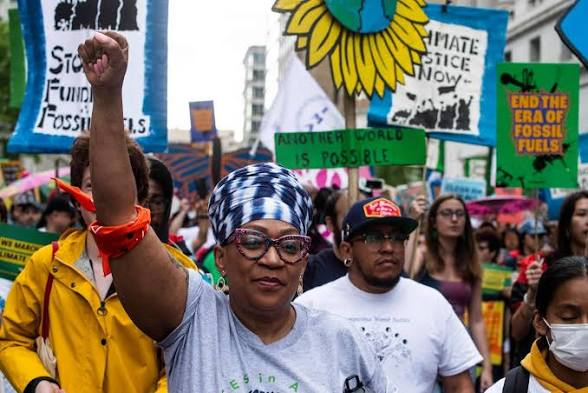
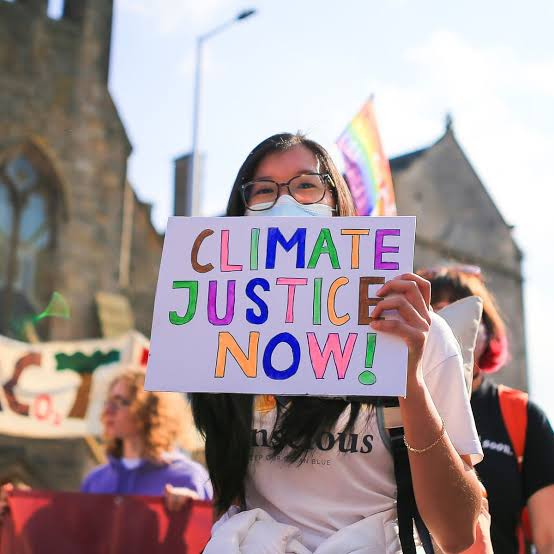
Although Earth Day is not a federally recognized holiday, participation is widespread and diverse. Activities range from grassroots initiatives to large-scale events.
Common forms of participation include:
Community Action
- Local cleanups and recycling drives
- Tree planting and habitat restoration
- Volunteer programs with environmental organizations
Education and Awareness
- School programs and university teach-ins
- Public workshops on sustainability and climate science
- Awareness campaigns targeting pollution and conservation
Everyday Behavioral Change
- Reducing plastic use
- Supporting sustainable products
- Using public transport to lower carbon footprints
In cities around the world, organized events bring these actions together—often combining education, activism, and community engagement.
The Shift in Earth Day Messaging
While Earth Day continues to grow, its messaging is undergoing scrutiny. Increasingly, consumers and activists are questioning whether environmental campaigns—particularly from corporations—deliver meaningful impact.
Industry observers note a shift:
- Campaigns must now show measurable sustainability outcomes
- Vague claims like “eco-friendly” face growing skepticism
- Regulatory frameworks are tightening, especially in Europe
This evolution reframes Earth Day from a marketing opportunity into what some experts describe as a “moment of accountability.”
Rather than launching new initiatives each April, organizations are being pushed to:
- Demonstrate year-round environmental progress
- Provide verifiable data on emissions and sustainability
- Align messaging with actual operational practices
Why Earth Day Still Matters
Despite criticism, Earth Day remains highly relevant. Its continued significance lies in three core functions:
1. Awareness at Scale
Earth Day still introduces millions of people to environmental issues each year.
2. Mobilization
It acts as a catalyst, encouraging participation in activism and policy engagement.
3. Accountability
Increasingly, it serves as a checkpoint for governments, businesses, and communities to evaluate progress.
The central challenge is not whether Earth Day matters—but how effectively it translates awareness into long-term change.
Looking Ahead: The Future of Earth Day
The trajectory of Earth Day suggests a shift toward deeper integration with policy, technology, and community-driven action.
Emerging trends include:
- Data-driven sustainability reporting replacing vague claims
- Stronger regulatory enforcement on environmental messaging
- Increased youth activism, particularly from global climate leaders
- Year-round engagement platforms connecting volunteers with ongoing initiatives
The movement is also becoming more inclusive, with efforts to amplify voices from regions most affected by climate change.
Conclusion: A Date With Global Significance
So, when is Earth Day? The answer—April 22—is straightforward.
But the significance of that date is anything but simple.
Earth Day represents a convergence of history, activism, policy, and public awareness. What began as a U.S.-based teach-in has become a global mechanism for environmental action, engaging over a billion people annually.
In its current form, Earth Day is less about a single day of celebration and more about a sustained commitment. It is a reminder that environmental progress depends not just on awareness, but on measurable action—year after year.