


“Tawaf Missile”: What It Means in a Rapidly Escalating Air Defense Landscape
A developing security episode in the Gulf
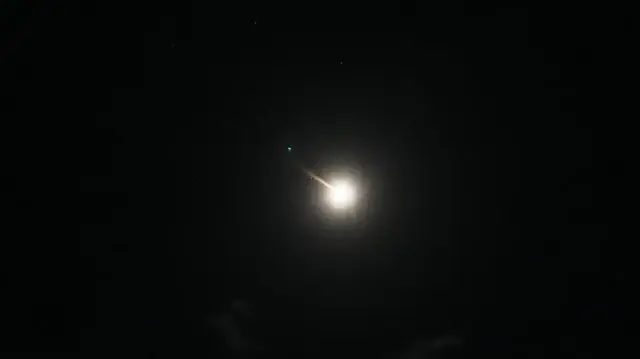
In the early hours of Monday, March 30, 2026, authorities in Saudi Arabia announced a series of successful air defense operations targeting incoming threats directed at the Eastern Province. Among the most notable elements of the announcement was the interception and destruction of what was described as a “Tawaf missile”—a term that has since drawn attention across regional security discussions.
- A developing security episode in the Gulf
- What is a “Tawaf missile”?
- Timeline of the interception operations
- Scale of the broader campaign
- Civil defense response: protocols and public safety
- Strategic implications: escalation and deterrence
- Technology behind interception success
- Regional and global context
- What comes next?
- Conclusion: beyond a single missile
According to official statements, the operation formed part of a broader defensive response in which multiple ballistic missiles and drones were detected, tracked, and neutralized before reaching their targets. The incident underscores a wider pattern of escalating aerial threats and increasingly sophisticated countermeasures.
What is a “Tawaf missile”?
The term “Tawaf missile” appears in official defense communication to describe a type of cruise missile—a class of guided weapons designed to travel at relatively low altitudes while following pre-programmed paths.


Unlike ballistic missiles, which follow a high-arc trajectory, cruise missiles:
- Fly closer to the ground or sea surface
- Use navigation systems such as GPS or terrain mapping
- Are harder to detect due to their flight profile
In this context, the reported “Tawaf missile” was intercepted before impact, indicating effective early detection and engagement by air defense systems.



Timeline of the interception operations
Early morning alerts and response
According to statements from the Ministry of Defense and civil defense authorities:
- Five ballistic missiles were detected heading toward the Eastern Province
- Air defense systems successfully intercepted all five
- A cruise missile—identified as a “Tawaf missile”—was also destroyed
- Additional drones were intercepted in the same timeframe
The official spokesperson, Turki Al-Maliki, confirmed the sequence of events, emphasizing the readiness and capability of defense forces.
Scale of the broader campaign
Beyond the single incident, official data reveals the scale of ongoing aerial threats:



- 848 drones intercepted and destroyed since the start of attacks
- 63 ballistic missiles neutralized
- 8 cruise missiles intercepted
Most of these threats have reportedly targeted key regions including:
- The Eastern Province
- Riyadh
This data suggests a sustained pattern rather than isolated incidents, pointing to a prolonged phase of regional tension.
Civil defense response: protocols and public safety
Alongside military action, civil defense authorities issued immediate safety directives through early warning systems. These instructions are designed to minimize civilian risk during aerial threats.
Recommended actions during alerts
Authorities advised residents to:
- Move immediately to safe indoor locations
- Stay away from windows and exposed areas
- Avoid balconies, rooftops, and open spaces
- Refrain from gathering or filming incidents
- Remain indoors until official clearance
For individuals in vehicles:
- Stop safely away from bridges and tall structures
- Seek nearby shelter
- Contact emergency services if necessary
These protocols highlight the integration of civilian protection measures into national defense strategies.
Strategic implications: escalation and deterrence
Observers and analysts interpret the recent events as part of a broader geopolitical pattern involving heightened tensions in the Gulf region.
Key implications include:
1. Increased reliance on air defense systems
The consistent interception of missiles and drones demonstrates the growing importance of layered air defense networks.
2. Shift toward mixed-threat attacks
The simultaneous use of:
- Ballistic missiles
- Cruise missiles (such as the “Tawaf missile”)
- Unmanned aerial vehicles
suggests a multi-vector strategy aimed at overwhelming defenses.
3. Rising geopolitical tensions
Statements and diplomatic developments—including the expulsion of certain diplomatic personnel—indicate a wider political dimension accompanying military activity.
Technology behind interception success
The ability to intercept diverse aerial threats depends on a combination of:
- Radar detection systems
- Real-time tracking and classification
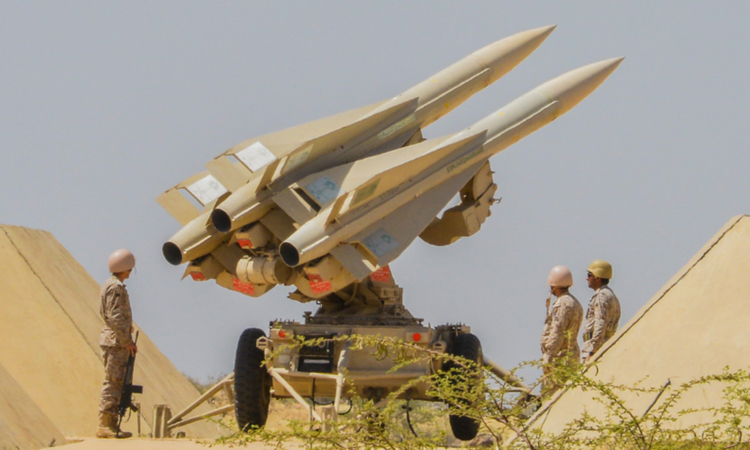
- Surface-to-air missile systems
- Integrated command-and-control networks
Cruise missiles like the “Tawaf missile” present a particular challenge due to their low-altitude flight, making their interception a technically demanding operation.
Regional and global context
The events unfold amid broader international developments, including:
- Ongoing tensions involving Iran
- Strategic concerns over maritime routes such as the Strait of Hormuz
- Increased military readiness across multiple countries
These factors contribute to a volatile environment in which incidents involving missile interception are both military events and geopolitical signals.
What comes next?
Looking ahead, several trends are likely to shape future developments:
1. Enhanced defensive capabilities
Countries are expected to invest further in advanced interception systems and early warning technologies.
2. Continued hybrid threat scenarios
The use of drones alongside missiles is likely to remain a defining feature of modern conflict.
3. Diplomatic pressure and escalation management
Balancing deterrence with diplomatic engagement will be critical in preventing wider conflict.
Conclusion: beyond a single missile
The interception of a “Tawaf missile” is not just a technical achievement—it reflects a broader reality of evolving warfare in the region. The combination of advanced weapon systems, coordinated defense responses, and civilian safety measures illustrates how modern conflicts are managed across multiple layers.
As tensions persist, such incidents will continue to shape both security strategies and political dynamics, making them central to understanding the future of regional stability.