Wellington R. Burt Net Worth, Relationships, Age/Birthdate & Birthday
Overview of Wellington R. Burt — net worth, relationships, age/birthdate, and birthday.
 loveness92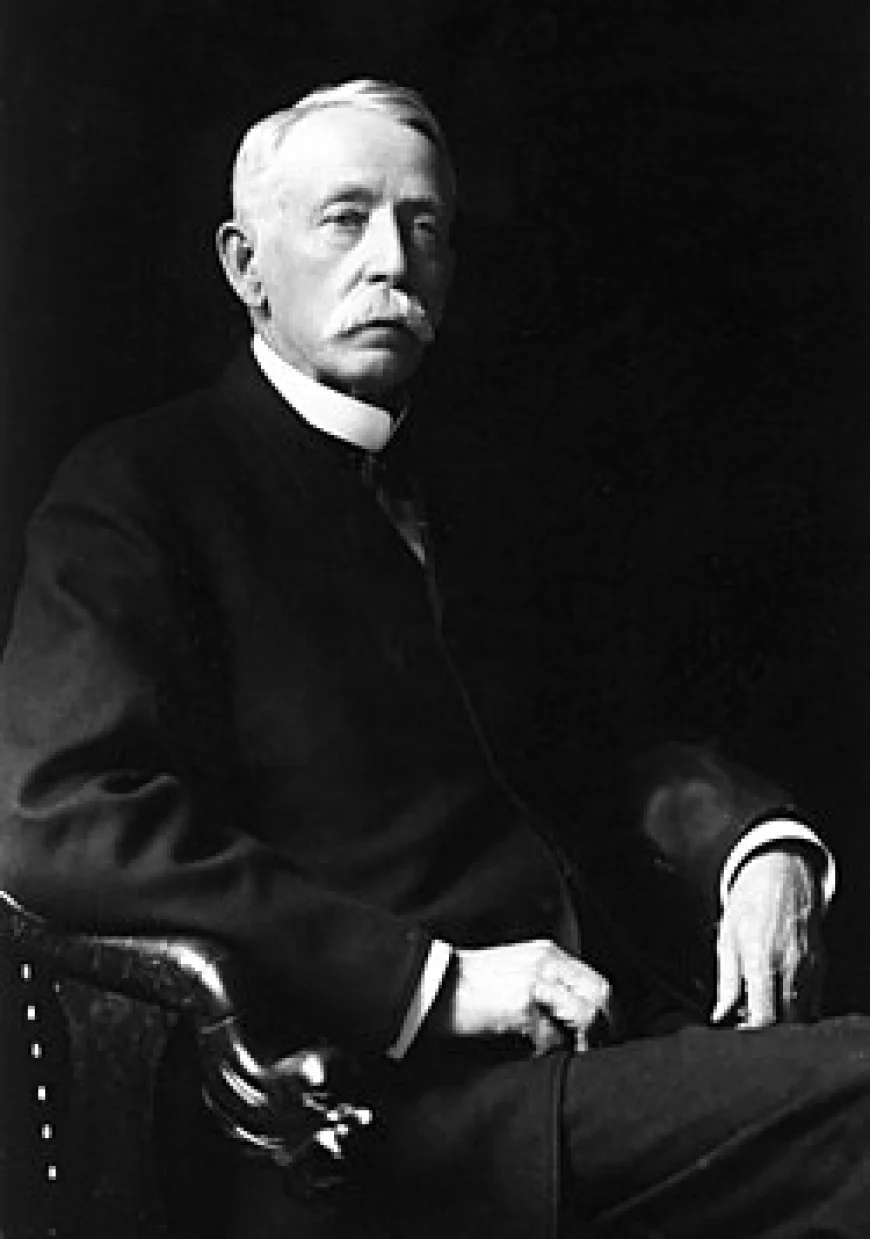
The Rise of a Timber Tycoon — Wellington R. Burt
Wellington R. Burt was born on August 26, 1831 in Pike, New York, to a large farming family. As the eldest son among 13 siblings, he embraced responsibility early: after his father’s death when Burt was young, he helped manage the family farm while still attending school — an upbringing that grounded him in hard work from the start.
Eventually, Burt would leave behind the modest roots of his youth and carve a place among America’s wealthiest industrialists. His birthday — August 26 — marks the beginning of a remarkable arc from rural farmboy to lumber baron and civic figure in Michigan.
Building an Empire Out of Timber, Salt, and Iron
Burt migrated to Michigan as a child and over decades transformed himself into a titan of industry. He built massive timber operations along the Saginaw River, and expanded into iron mining, railroads, salt production, and banking.
He didn’t just harvest wood — he foresaw the finite life of lumber and diversified. His investments in mineral leases, iron and salt mines, railroad infrastructure, and finance allowed him to maintain and grow his wealth despite the eventual decline of the lumber era.
At the height of his success, he wasn’t just a local magnate — for a time in the early 1900s, Burt ranked among the eight wealthiest men in the United States.
Wealth at Death: A Fortune Deferred
When Wellington R. Burt died on March 2, 1919, his estate was estimated to be between US$40 million and US$90 million, a staggering sum for the time.
Because of his unusual will — infamous among probate historians — the bulk of that estate was not distributed immediately. Instead, he set up a trust stipulating that assets would remain locked until 21 years after the death of the last surviving grandchild who was alive at the time of his own death.
That grandchild died in 1989, triggering the countdown — and in May 2011, 12 distant descendants finally received their shares. The estate had grown, through careful trust management, to an estimated US$100–110 million.
Depending on generational seniority, individual beneficiaries received between approximately US$2.6 million and US$16 million each.
Complex Family Ties — Estrangement and Legacy
Burt’s personal life was as complex as his business dealings. He married twice — first to Sarah Torrance on May 22, 1860, and after her death, to Armine Mary Richardson on February 10, 1869. He fathered several children, but relationships with his heirs reportedly deteriorated over time, leading to estrangement.
At his death, he lived alone in his mansion in Saginaw, attended only by servants, and came to be known as “The Lone Pine of Michigan” — a symbol of both isolation and vast wealth.
Many contemporaries saw him as a philanthropic civic leader; others viewed him as miserly and vindictive. This dual legacy helped shape how history remembers Burt: as much a powerful industrial architect of Michigan’s lumber and mining boom as an icon of family rifts and inheritance controversies.
Lessons from a Gilded Age Life — Strategy, Distrust, and Long-Term Planning
Burt’s story reads less like a fairytale and more like a cautionary chronicle from America’s Gilded Age. He built and diversified his fortune with sharp business acumen — but in his personal life, he made choices that severed ties with those closest to him. His will’s “spite-clause” remains a vivid illustration of distrust, familial bitterness, and a desire to control legacy beyond the grave.
Yet from a purely financial perspective, his strategy — investing across industries, preserving wealth through a long-term trust, and avoiding the pitfalls that wrecked many timber fortunes — proved remarkably effective. The estate’s growth from $40–90 million at his death to over $100 million by its ultimate distribution underscores the potential of disciplined, long-horizon wealth management.
In that sense, Wellington R. Burt’s life offers a distilled lesson: ambition and enterprise can build great fortunes — but without careful stewardship, relationships and legacy can unravel. His story remains as relevant today as it was over a century ago, reminding us that wealth and memory are often negotiated in very different ways.