


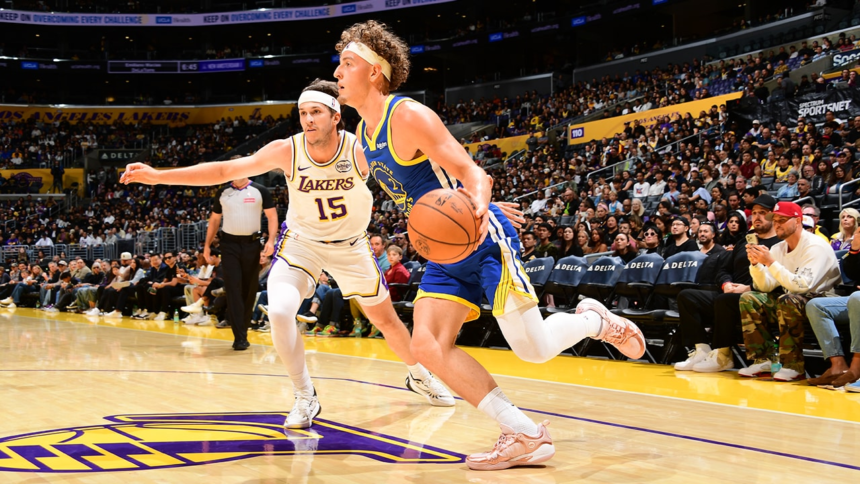
Warriors vs Cavaliers: A Rivalry Rekindled in a High-Stakes Late-Season Battle
A Familiar NBA Showdown with New Storylines
Few matchups in modern basketball carry the historical weight of the Golden State Warriors versus the Cleveland Cavaliers. Once defined by consecutive Finals clashes and superstar duels, this rivalry has evolved—but it still produces compelling, high-level basketball.
- A Familiar NBA Showdown with New Storylines
- Game Flow: Cleveland’s Late Control Defines the Outcome
- Key Performers: Star Power and Depth on Display
- The Stephen Curry Factor: Absence Still Looms Large
- Tactical Observations: Why Cleveland Won
- Season Context: Diverging Trajectories
- Physicality and Tension: A Heated Moment
- What Comes Next
- Conclusion: A Rivalry That Still Delivers
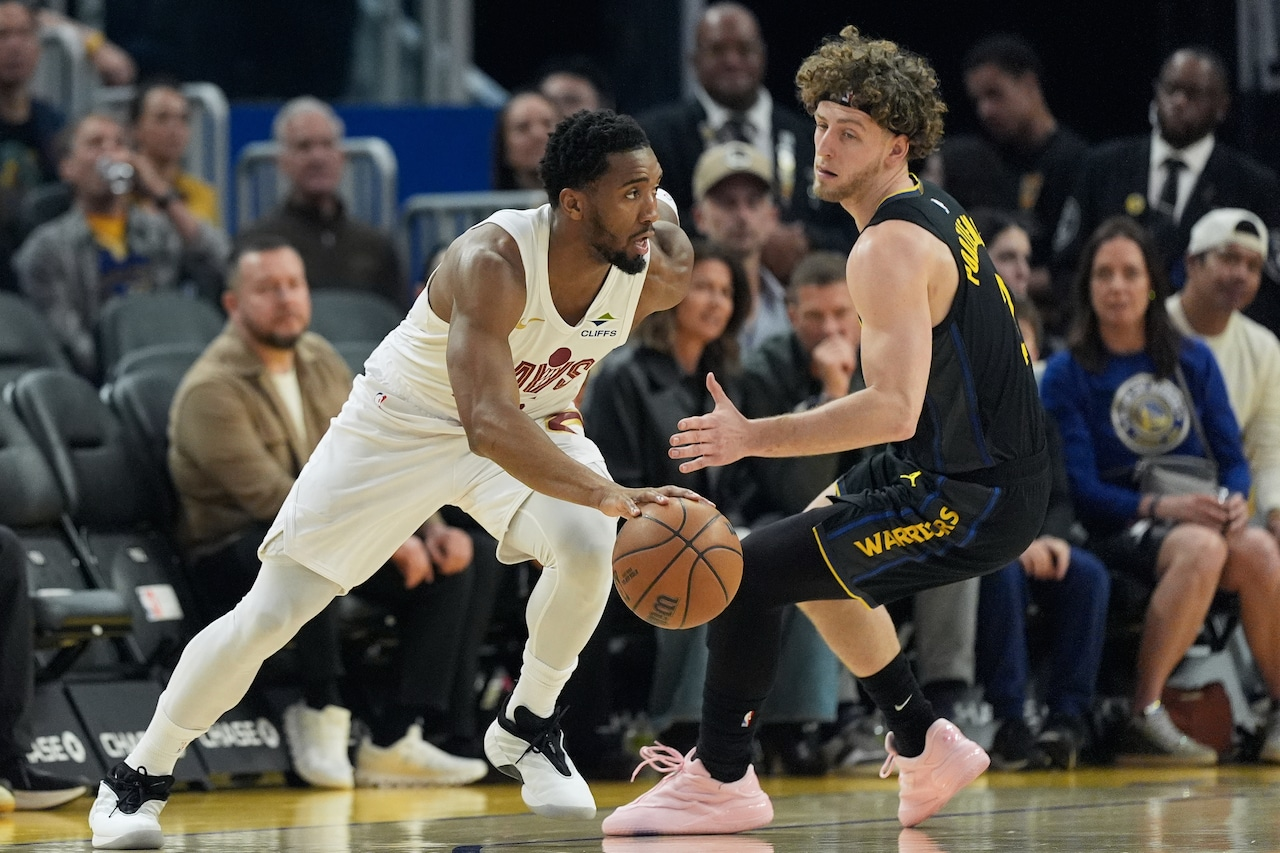
Their latest meeting on April 2, 2026, at Chase Center delivered another intense chapter. Cleveland emerged with a 118–111 victory, reinforcing their strong position in the Eastern Conference while exposing ongoing challenges for Golden State in a difficult stretch of the season.
Game Flow: Cleveland’s Late Control Defines the Outcome
The contest unfolded as a tightly contested battle across all four quarters. Cleveland established early control with a 30–26 first-quarter edge and maintained composure despite Golden State’s push in the second half.

Golden State briefly surged, even taking a narrow lead late in the fourth quarter following an 11–0 run. However, Cleveland’s execution in the closing minutes proved decisive. A clutch three-pointer by Max Strus with 54 seconds remaining effectively sealed the game, extending the Cavaliers’ advantage beyond recovery.
Key Performers: Star Power and Depth on Display
Cleveland Cavaliers’ Offensive Efficiency
Cleveland’s victory was anchored by balanced scoring and disciplined execution:
- Donovan Mitchell led the team with 25 points and 6 rebounds, continuing his role as the offensive centerpiece.
- Max Strus contributed 24 points, including the decisive late three-pointer.
- James Harden added 19 points and 5 assists, providing playmaking stability.
Inside presence was equally important:
- Jarrett Allen recorded a 16-point, 13-rebound double-double.
- Evan Mobley added 12 points and 10 rebounds, reinforcing Cleveland’s dominance in the paint.
This balance highlights Cleveland’s ability to generate offense from multiple areas—perimeter shooting, interior scoring, and transition play.
Golden State Warriors’ Resilience Despite Adversity
Golden State delivered a competitive performance despite significant roster limitations:
- Brandin Podziemski and Gui Santos each scored 25 points, leading the offensive charge.
- Kristaps Porzingis contributed 16 points and 7 rebounds.
Meanwhile, Draymond Green delivered a near triple-double with 8 points, 9 rebounds, and 9 assists, while also moving into third place on the franchise’s all-time rebounding list.

The Warriors also saw strong contributions from role players like Pat Spencer and Gary Payton II, reflecting depth and effort despite adversity.
The Stephen Curry Factor: Absence Still Looms Large
A defining storyline remains the absence of Stephen Curry, who missed his 27th consecutive game due to a knee injury.
His absence has had measurable consequences:
- Reduced offensive efficiency
- Increased scoring burden on younger players
- Defensive vulnerabilities, particularly against elite guards
There is cautious optimism around his potential return, with reports indicating he has resumed full-contact scrimmages and could return imminently depending on medical clearance.
Tactical Observations: Why Cleveland Won
1. Late-Game Execution
Cleveland’s composure in the final minutes was decisive. Their ability to convert key possessions—especially Strus’ three—highlighted superior execution under pressure.
2. Interior Dominance
With Allen and Mobley controlling the boards, Cleveland neutralized Golden State’s rebounding deficiencies, an issue that has persisted throughout the season.
3. Exploiting Defensive Gaps
Golden State’s weakened perimeter defense—partly due to injuries—allowed Cleveland’s guards to operate effectively, particularly Mitchell.
Season Context: Diverging Trajectories
The result reflects broader trends in both teams’ seasons:
- Cleveland Cavaliers (48–29)
- Firmly positioned in the Eastern Conference playoff race
- Won 7 of their last 9 games, indicating strong late-season form
- Golden State Warriors (36–41)
- Struggling in the Western Conference standings
- Dealing with injuries and inconsistent performances
The season series between the two teams finished tied 1–1, suggesting competitiveness despite their differing trajectories.
Physicality and Tension: A Heated Moment
The game included a notable sequence late in the fourth quarter:
- Dennis Schröder was assessed a Flagrant 1 foul
- Draymond Green received a technical foul after a confrontation
- Additional technical fouls were issued, including one to Cavaliers coach Kenny Atkinson
This sequence underscored the physical intensity and emotional stakes typical of Warriors–Cavaliers matchups.
What Comes Next
Both teams face immediate tests:
- Cleveland returns home to face Indiana
- Golden State hosts Houston, with potential anticipation surrounding Curry’s return
For Cleveland, the focus is sustaining momentum into the playoffs. For Golden State, the priority remains stabilizing performance and reintegrating key players.
Conclusion: A Rivalry That Still Delivers
While the Warriors–Cavaliers rivalry has shifted from its Finals-era peak, it remains one of the NBA’s most compelling matchups. This latest encounter showcased:
- Cleveland’s maturity and playoff readiness
- Golden State’s resilience despite adversity
- The continued relevance of individual brilliance and team depth
As the postseason approaches, both teams carry forward lessons from this game—one reinforcing dominance, the other highlighting urgency.