Vikram Chatwal Net Worth, Relationships, Age/Birthdate & Birthday
Overview of Vikram Chatwal — net worth, relationships, age/birthdate, and birthday.
 loveness92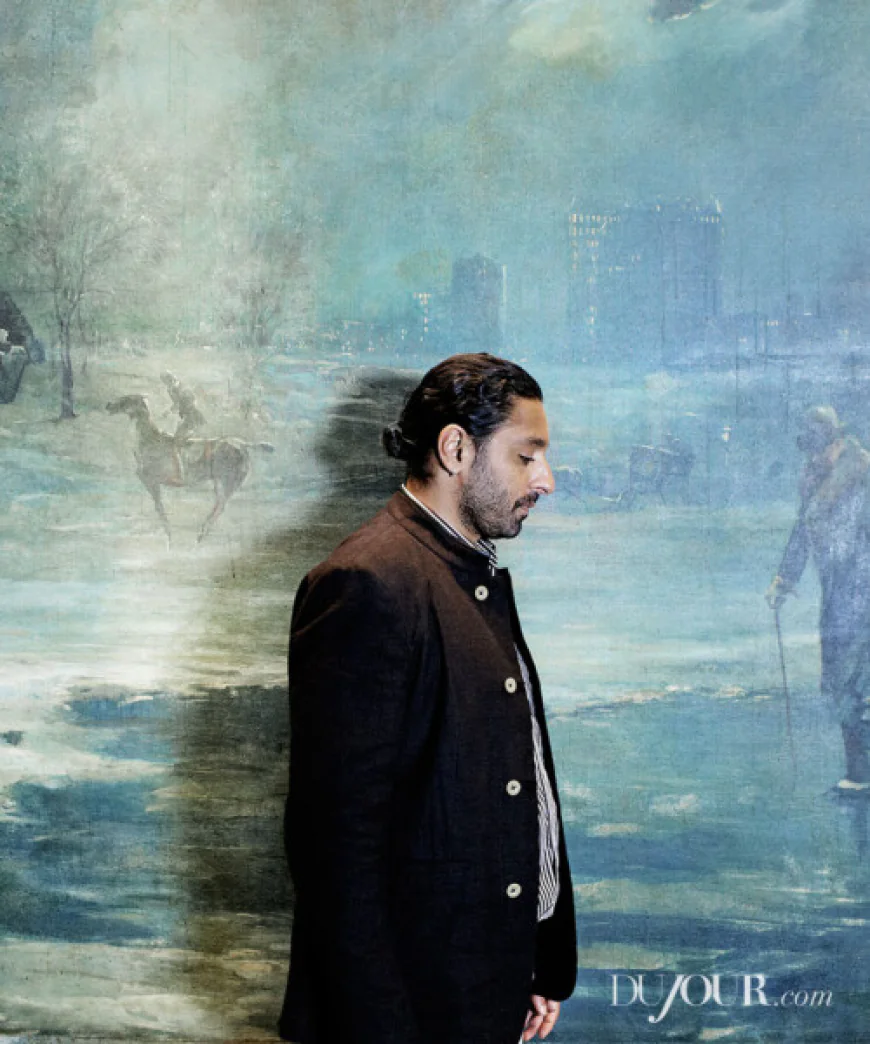
The Unconventional Rise of Vikram Chatwal — From High-Society Party Tables to Boutique-Hotel Empire
A Global Beginning and an Influential Heritage
Vikram Chatwal was born on November 1, 1971, in Addis Ababa, Ethiopia, into a family with deep roots in hospitality. His family moved first to Montreal, Canada in the 1970s and later settled in New York City during the 1980s — a shift prompted by his father’s expanding business interests. Raised in a Sikh household, Chatwal attended the United Nations International School in New York before enrolling at the prestigious Wharton School of the University of Pennsylvania, from which he graduated in 1993.
Though his upbringing was imbued with privilege, Chatwal did not take his inherited advantages for granted. After Wharton he briefly worked at a wealth-management firm, but his future would lead him into a different kind of legacy — one built on hospitality, lifestyle, and bold reinvention.
Carving Out a Name: Reinventing Hospitality in Manhattan
In April 1999, at 28 years old, Chatwal established Vikram Chatwal Hotels — an independent hotel group that would break the mold of traditional hospitality. The first of his properties, the sleek and design-forward The Time Hotel, set the tone: boutique-style luxury, aesthetic daring, and a sense of exclusivity.
Success came quickly. He followed Time with a series of hotels under imaginative brand names — among them Dream Hotel and Night Hotel — each catering to guests seeking style, nightlife, and upscale urban escapes.
Under Chatwal’s vision, the brand expanded beyond New York, reaching Miami, Bangkok, India, and elsewhere. The global ambitions of Dream and affiliated hotels made the group a recognizable name in lifestyle hospitality.
Reinvention Against All Odds: Business Resilience and Reinvention
The road wasn’t always smooth. Economic downturns and real-estate pressures tested Chatwal’s empire. For example, in 2010 his flagship hotel (then called “Dream New York”) faced possible foreclosure if a $99 million mortgage payment wasn’t met.
Yet Chatwal kept pushing forward. He led renovations, rebranded properties (e.g., “Dream New York” to Dream Midtown) and expanded the brand’s footprint. By 2015, Dream Midtown had undergone a $20 million makeover — a sign of renewed commitment.
In interviews, Chatwal has spoken of viewing his hotels not simply as real estate — but as “lifestyle platforms,” blending luxury hospitality, nightlife, global design and culture.
The Price of Fame: Glamour, Controversy and Redemption
Alongside his hotel successes, Chatwal became a fixture of Manhattan’s elite social scene. In his early years as a hot young entrepreneur, he was often dubbed a “playboy,” regularly appearing at high-profile parties, nightclubs and industry soirées.
During his modelling days, he became — reportedly — the first Sikh model to appear in Vogue magazine. He also explored acting: among his film credits are appearances in Zoolander (2001), One Dollar Curry (2004) and several Bollywood films.
But the celebrity lifestyle came with turbulence. Chatwal’s personal life has been marred by substance-abuse struggles, brushes with the law, and serious allegations. In 2013, he was arrested at a Florida airport on suspicion of drug possession — though charges were later dropped.
In 2016, he faced criminal charges related to the abuse of animals — reportedly setting two dogs on fire. The incident led to accusations of reckless endangerment and criminal mischief.
Still, despite these public missteps, there are signals that Chatwal has attempted a degree of reinvention. In interviews around the mid-2010s, he spoke about refocusing on his business and ambitions to evolve the “hotel-as-lifestyle” brand in more mature, sustainable ways.
Love, Loss and High-Profile Relationships
Chatwal’s romantic life has long fascinated tabloids and the public alike. In 2006, he married Indian model and former investment banker Priya Sachdev in a lavish wedding — a 10-day celebration spanning multiple cities in India, attended by hundreds of guests from around the world.
The union produced a daughter, named Safira Chatwal. But the marriage did not last: the couple divorced in 2011, amid reported struggles linked to Chatwal’s substance abuse and evolving lifestyle.
In the years following, Chatwal was romantically linked with several high-profile personalities. Though some associations — such as with actress Lindsay Lohan and reality-star icon Kim Kardashian — were widely reported, none were officially confirmed.
At one point, he was said to be involved with model Angela Lindvall, though again, this remained speculative.
Through it all, his personal life — glamorous, chaotic, and often controversial — became inseparable from his public persona.
How Much Is He Worth? Crunching the Estimates
Estimating the net worth of someone like Chatwal — with assets across hotels, real estate, and perhaps other ventures — is inherently imprecise. That said, public sources provide a useful snapshot.
-
According to one profile on a popular celebrity-wealth site, Vikram Chatwal’s net worth is estimated at US$50 million.
-
Other outlets — including a site focused on luxury assets like yachts and private jets — suggest a valuation closer to US$100 million, citing his ownership of the hotel group and associated lifestyle holdings.
In broader context: he oversees a portfolio under Dream/Night/Time/Chatwal-branded hotels, some of which have undergone major renovations and expansions, and which have historically drawn high-end clientele. Given these variables — property values, brand equity, debt, and market cycles — net worth estimates should be viewed as directional rather than definitive.
What Vikram Chatwal’s Journey Tells Us — Reinvention, Risk, and Real Estate as Identity
Vikram Chatwal’s story defies traditional entrepreneurial trajectories. He didn’t simply inherit a business; he reimagined what hospitality could be in an era of boutique hotels, lifestyle branding, and global interconnectedness.
His success underscores the power of combining legacy foundations with fearless creativity: Time Hotel’s emergence in 1999 disrupted the classic hotel model. Dream and Night hotels introduced a blend of nightlife, design, and hospitality that appealed to a socially mobile, international clientele.
Yet his personal rise came with costs — namely, scrutiny over mansions, parties, and personal demons. The controversies remind us that public figures operating at the intersection of wealth, fame, and luxury are always under a magnifying glass.
But perhaps the most compelling aspect of Chatwal’s journey is his attempt at reinvention. The pivot from “jet-setting playboy hotelier” toward a matured brand-driven hospitality entrepreneur illustrates resilience and adaptability. For all the glamour, there’s a serious builder at work.
Vikram Chatwal remains a figure filled with paradox — at once a scion of a storied hotel dynasty, a nightlife fixture, a controversial public persona, and a persistent entrepreneur. His birthdate (November 1, 1971) marks the beginning of a journey that has spanned continents, industries, fame, scandal, and reinvention.