


Two Oceans Marathon 2026: A City in Motion, A Race of Endurance
A Weekend Where Cape Town Becomes the Course
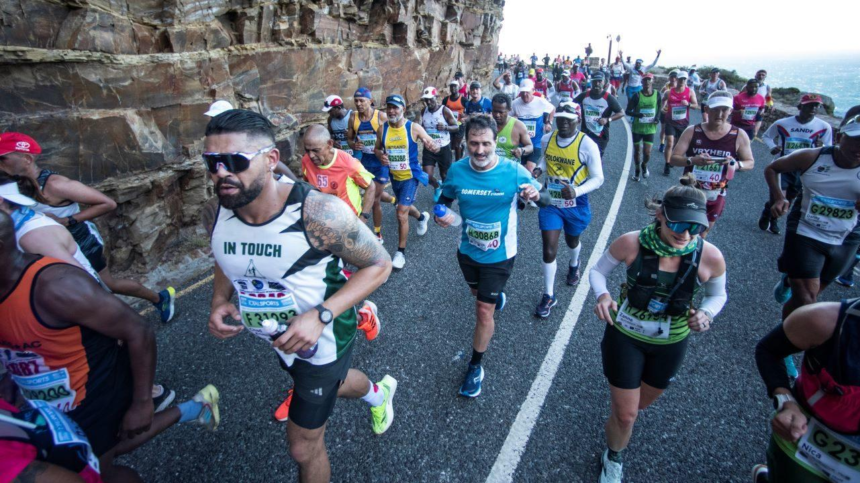
Each year, Cape Town transforms into a living, breathing racecourse—but in April 2026, the scale and intensity of the Totalsports Two Oceans Marathon once again reaffirm its reputation as one of the world’s most iconic endurance events.
Scheduled for 11 and 12 April 2026, the marathon is more than a sporting fixture. It is a city-wide phenomenon that blends athletic excellence, logistical complexity, and a uniquely South African cultural atmosphere. With over 30,000 runners expected, the event stretches far beyond the start and finish lines, reshaping traffic patterns, energizing communities, and drawing global attention to the Western Cape.
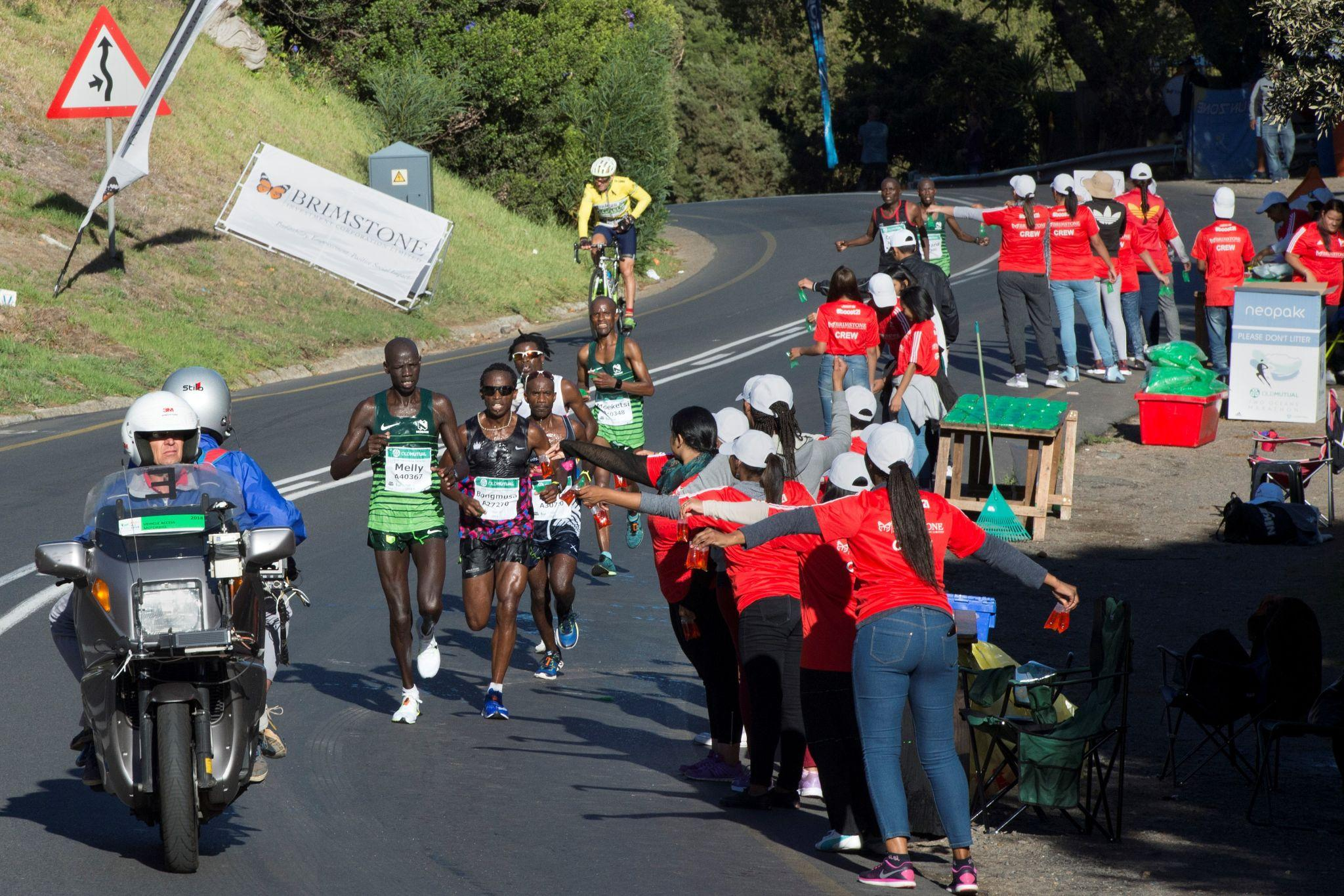
Two Races, One Identity
At the core of the weekend are two flagship races:



- The 56km Ultra Marathon (Saturday, 11 April)
- The 21.1km Half Marathon (Sunday, 12 April)
Both races begin in Newlands and conclude at the University of Cape Town (UCT), creating a consistent narrative arc—from the early-morning stillness of the start line to the emotional crescendo at the finish.
The Ultra Marathon, widely regarded as the crown jewel, takes runners on a demanding journey through Cape Town’s southern suburbs and along the False Bay coastline. Participants pass through Muizenberg, Kalk Bay, Fish Hoek, and Hout Bay, before tackling the iconic climbs of Chapman’s Peak Drive and Constantia Nek—routes that are as punishing as they are visually striking.



The Half Marathon, while shorter, is no less competitive. Its route threads through the southern suburbs before ascending Southern Cross Drive, testing runners with a sustained climb before descending toward UCT’s upper campus.
The World’s Most Beautiful Marathon—And Its Hidden Costs
Often described as “The World’s Most Beautiful Marathon,” the Two Oceans event earns its title through scenery that is both dramatic and diverse. From ocean views to mountain passes, the route offers a constantly shifting visual experience that distinguishes it from traditional urban marathons.
Yet this beauty comes with operational complexity.
To safely accommodate tens of thousands of runners, Cape Town implements extensive road closures across key transport corridors, particularly in the southern suburbs and along coastal routes. These closures begin in the early hours of the morning—some as early as 03:30am—and extend into midday in certain areas.



Key disruptions include:
- Main Road corridors (Newlands to Muizenberg): early morning closures
- Muizenberg to Fish Hoek: restricted to local access during peak race hours
- Chapman’s Peak Drive: closed from Friday evening through Saturday midday
- Rhodes Drive and M3 near UCT: lane restrictions and delays as runners approach the finish
Authorities have advised motorists to plan journeys carefully, allow extra travel time, and avoid affected areas where possible, underscoring the scale of the event’s impact on daily life.
A City Adjusts, A Community Engages
Despite the logistical disruptions, the Two Oceans Marathon is embraced by Cape Town residents as a defining annual moment. Communities along the route become active participants—lining streets, cheering runners, and transforming neighborhoods into informal celebration zones.
Strategically, the event also reshapes movement patterns across the city:
- Traffic congestion is expected to spill into surrounding areas, even those not directly on the race route.
- Alternative routes such as Ou Kaapse Weg remain operational but under controlled conditions.
- Parking restrictions and local access limitations require residents to adapt well in advance.
The result is a temporary but comprehensive reconfiguration of urban mobility—one that highlights the interplay between large-scale sporting events and city infrastructure.
The Economic and Cultural Pulse of the Marathon
Beyond athletics, the Two Oceans Marathon functions as a significant economic and cultural driver.
With thousands of international and domestic participants, the event stimulates:
- Tourism and hospitality sectors
- Local businesses along the route
- Event management and logistics industries
Simultaneously, it reinforces Cape Town’s global positioning as a destination for endurance sports and outdoor experiences.
Culturally, the marathon reflects a broader narrative of resilience and community. The shared experience—whether as a runner, spectator, or resident navigating closures—creates a collective identity around the event.
The Final Stretch: What This Weekend Represents
As Cape Town prepares for race weekend, the Two Oceans Marathon 2026 stands as a convergence point of multiple forces:
- Elite and amateur athletic ambition
- Urban planning and logistical coordination
- Community participation and cultural expression
While road closures and travel disruptions are inevitable, they are also indicative of something larger: a city momentarily reoriented around endurance, spectacle, and shared experience.
In practical terms, the message is clear—plan ahead, expect delays, and allow for flexibility. In broader terms, however, the marathon remains what it has always been: a defining event that captures the energy, challenge, and scenic identity of Cape Town in motion.