


Truth Social: Platform, Politics, and the Power of Digital Messaging
Introduction: A Social Network at the Center of Political Discourse
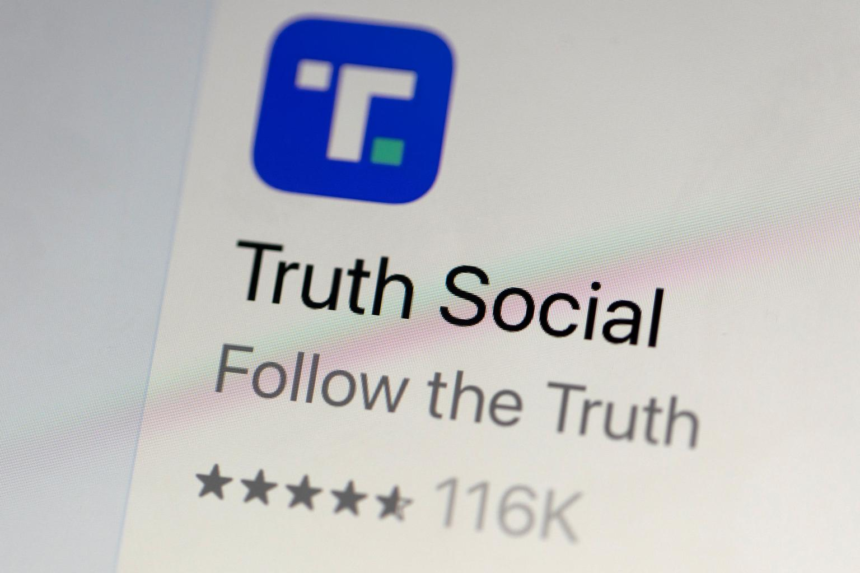
In an era where digital platforms increasingly shape political narratives, Truth Social has emerged as a focal point of influence, controversy, and strategic communication. Launched as an alternative to mainstream social networks, the platform has become closely associated with Donald Trump, serving as his primary channel for public messaging.
- Introduction: A Social Network at the Center of Political Discourse
- A Platform Built for Direct Communication
- The Latest Flashpoint: A Viral Political Skit
- Satire Meets Strategy: Why This Matters
- Background Context: Rising Tensions and Public Statements
- The Role of Truth Social in Modern Political Communication
- Media Ecosystem Impact: From Television to Timeline
- Broader Implications: Politics in the Age of Platform Power
- What Comes Next for Truth Social?
- Conclusion: More Than Just a Social Network
Recent developments highlight how Truth Social is not merely a social media app, but a stage where political messaging, satire, and international relations intersect in real time.
A Platform Built for Direct Communication
Truth Social was designed with a clear objective: to provide a space for unfiltered communication, particularly for figures who felt restricted on traditional platforms.
Unlike algorithm-heavy networks, Truth Social emphasizes:
- Direct posts (“Truths”) from users
- Re-sharing (“ReTruths”) to amplify messages
- A follower-based ecosystem similar to early microblogging platforms
For Trump, it functions as a personal broadcasting channel, bypassing conventional media filters and reaching supporters instantly.
The Latest Flashpoint: A Viral Political Skit
A recent incident illustrates how Truth Social operates within the broader media ecosystem.

What Happened?
Donald Trump shared a video clip on Truth Social featuring a satirical skit from a UK television program. The sketch portrayed Keir Starmer in a comedic light, showing him anxiously anticipating a phone call with Trump.
Key moments from the skit include:
- Starmer asking: “What if Donald shouts at me?”
- A dramatized hesitation to engage in direct communication
- A humorous portrayal of geopolitical tension, including references to the Strait of Hormuz situation
Notably, Trump reposted the video without any accompanying comment, allowing the content to speak for itself.
Satire Meets Strategy: Why This Matters
The repost was not random. It reflects a broader communication strategy where:



1. Humor Becomes Political Messaging
By sharing satire, Trump indirectly reinforces a narrative about leadership dynamics without issuing formal statements.
2. Amplification Without Ownership
Posting without commentary allows plausible deniability while still signaling approval or alignment with the message.
3. Cross-Media Influence
Content originating from television—specifically a UK adaptation of Saturday Night Live—gains renewed visibility through a political platform.
This demonstrates how Truth Social acts as a bridge between entertainment media and political discourse.
Background Context: Rising Tensions and Public Statements
The repost comes amid ongoing tensions related to international policy decisions.
Trump has previously criticized Keir Starmer, particularly regarding military cooperation in the Middle East. His remarks include:
- “This is not Winston Churchill that we’re dealing with.”
- “I’m disappointed with Keir.”
- “I like him, I think he’s a nice man, but I’m disappointed.”
These statements reflect a broader narrative of dissatisfaction, which the reposted skit subtly reinforces.
The Role of Truth Social in Modern Political Communication
Truth Social’s significance lies not just in its user base, but in how it is used.
Key Functions of the Platform:
- Narrative Control: Leaders can shape their own messaging without editorial mediation
- Rapid Dissemination: Content spreads quickly among aligned audiences
- Cultural Integration: Political messaging increasingly incorporates memes, satire, and entertainment
In this case, a comedic sketch becomes part of an ongoing geopolitical conversation.
Media Ecosystem Impact: From Television to Timeline
The original skit aired as part of the UK debut of Saturday Night Live, a format with decades of cultural influence.
The UK version has:
- Generated mixed but generally positive reviews
- Attracted measurable viewership (226,000 viewers, 3.2% audience share)
- Sparked discussion about adapting American-style satire to British audiences
By appearing on Truth Social, the sketch transitions from television content to political artifact, gaining a second life in a different context.
Broader Implications: Politics in the Age of Platform Power
The incident highlights several structural shifts in global communication:
1. Leaders as Media Curators
Political figures now actively select and redistribute content, shaping narratives beyond official speeches.
2. Blurring of Boundaries
Entertainment, politics, and diplomacy increasingly overlap, particularly in digital spaces.
3. Platform-Centric Influence
Platforms like Truth Social are not neutral—they are active environments where messaging strategies are executed and amplified.
What Comes Next for Truth Social?
Looking ahead, several trends are likely:
- Increased political reliance on platform-exclusive communication
- Greater integration of multimedia content (video, satire, clips)
- Heightened scrutiny over how such platforms influence public opinion and international perception
Truth Social’s role will continue to evolve, particularly as global events and political tensions unfold in real time.
Conclusion: More Than Just a Social Network
Truth Social has positioned itself as more than a digital platform—it is a tool of influence, a distribution channel, and a stage for political signaling.
The recent repost of a satirical video involving Keir Starmer underscores how modern leadership communication extends beyond formal statements into curated, often indirect messaging.
As political discourse becomes increasingly mediated by platforms like Truth Social, understanding these dynamics is essential for interpreting not just what is said—but how, where, and why it is shared.