




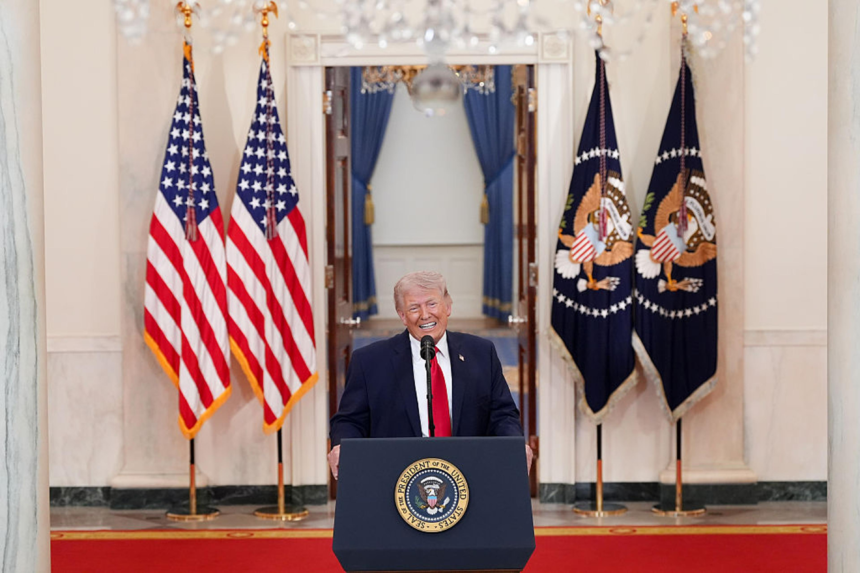
Trump and Iran: A War Between Escalation, Strategy, and Uncertain Endings
A Conflict Expanding Beyond the Battlefield
The confrontation between the United States and Iran has entered a volatile and unpredictable phase, shaped heavily by the decisions and rhetoric of US President Donald Trump. What began as targeted military actions has evolved into a broader geopolitical crisis affecting not only the Middle East but also global markets, alliances, and political stability.
- A Conflict Expanding Beyond the Battlefield
- Escalation on the Ground: Strikes and Counterstrikes
- Trump’s Strategy: Pressure, Optics, and Exit Plans
- Economic Shockwaves: Oil, Inflation, and Global Instability
- NATO and Western Alliances Under Pressure
- Regional and Political Implications
- What Comes Next?
- Conclusion: A War Redefining Global Dynamics
Recent developments indicate that the conflict is no longer confined to military operations alone. Instead, it now intersects with economic pressure, diplomatic maneuvering, and internal political calculations—particularly as Trump seeks to balance military assertiveness with domestic concerns and international expectations.
Escalation on the Ground: Strikes and Counterstrikes
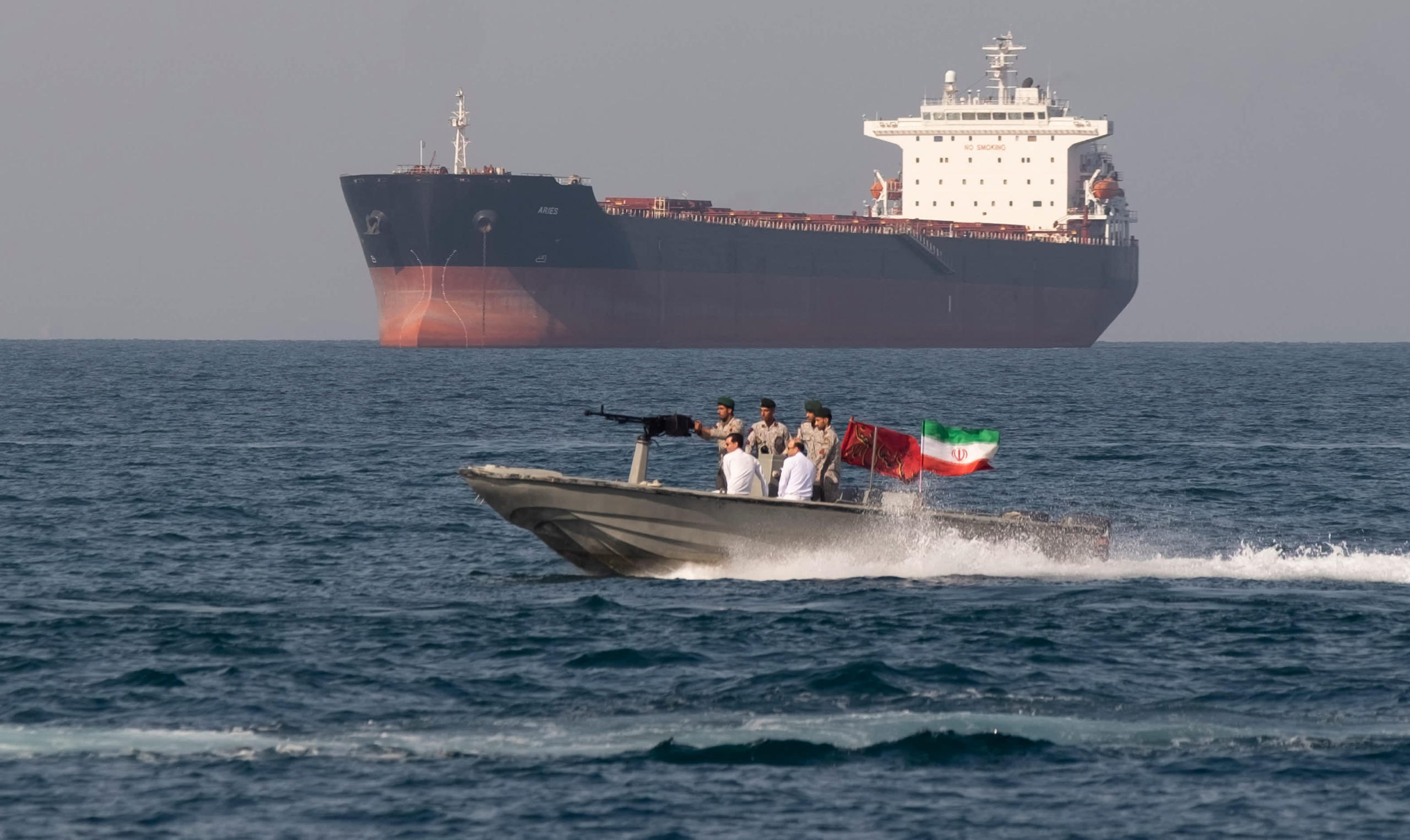
The latest phase of the conflict has been marked by intensified military actions. The United States, often in coordination with Israel, has carried out strikes on Iranian infrastructure, including bridges and strategic facilities.

One of the most notable incidents involved the destruction of a major bridge near Tehran, which resulted in casualties and disrupted key transportation routes. The strike, shared publicly by Trump through official channels, was framed as part of a broader effort to weaken Iran’s logistical and strategic capabilities.
Iranian officials responded sharply. Foreign Minister Abbas Araqchi stated:

“Targeting civilian facilities, including unfinished bridges, will not force Iranians to surrender.”
He added that such actions demonstrate “moral collapse” and vowed that damaged infrastructure would be rebuilt stronger, while warning that the reputational damage to the United States may be long-lasting.
Meanwhile, the battlefield has expanded geographically. Missile and drone exchanges have been reported across the region, affecting countries such as Saudi Arabia, the UAE, Kuwait, and Israel. Energy facilities have been targeted, and air defense systems activated across multiple states, signaling the widening scope of the conflict.
Trump’s Strategy: Pressure, Optics, and Exit Plans
Trump’s approach to the Iran conflict appears to combine military pressure with a flexible political strategy. Public statements suggest he believes Iran is now seeking negotiations after sustaining what he describes as “heavy blows.”
In a phone interview, Trump remarked:

“They are being hit hard (…) Why don’t they call us? We just destroyed their three main bridges.”
He framed the situation as a form of indirect negotiation, implying that military pressure is forcing Iran toward a settlement.
However, internal dynamics within the US administration paint a more complex picture. Reports indicate that some officials were caught off guard by the scale of Iran’s retaliatory strikes, despite official claims from the Pentagon that all scenarios had been anticipated.
At the same time, Trump has signaled willingness to escalate further. He has warned of additional strikes targeting bridges and power plants unless Iran agrees to terms, emphasizing that US forces have “not yet begun” their full campaign.
Yet, there are also indications that Trump is seeking a way to conclude the conflict on favorable terms. Analysts suggest he may aim to declare victory through a high-profile presidential address, potentially presenting an amplified narrative of military success.
Economic Shockwaves: Oil, Inflation, and Global Instability
Beyond the battlefield, the war’s most immediate global impact is being felt in energy markets. The Strait of Hormuz—one of the world’s most critical oil transit routes—has become a focal point of concern.
Experts warn that any disruption in this chokepoint could trigger severe consequences for global supply chains. Approximately 80% of the oil passing through the strait is destined for Asian markets, making the region particularly vulnerable.
The effects are already visible:
- Rising fuel and food prices in multiple countries
- Government-imposed restrictions on energy consumption
- Fears of shortages in developing economies
- Increased pressure on global inflation
Analysts caution that the world may be heading toward a “third wave of severe inflation in less than a decade,” driven by energy disruptions linked to the conflict.
The economic burden is also significant for the United States itself. The war cost approximately $11.3 billion in its first six days, with ongoing daily expenses estimated at $385 million.
NATO and Western Alliances Under Pressure
The conflict has exposed deep divisions within Western alliances, particularly within NATO.
Several European countries have been reluctant to provide military support, with reports indicating restrictions on US military operations from bases in Spain, Italy, and France. This hesitation has strained relations between Washington and its allies.
Trump has responded with criticism and even threats to withdraw from NATO, raising concerns about the future of the alliance. Analysts warn that such a move could represent one of the most significant geopolitical shifts in recent history, potentially benefiting rival powers such as Russia and China.
Regional and Political Implications
The war’s ripple effects are being felt across multiple fronts:
- Middle East stability: Ongoing strikes risk drawing more countries into direct confrontation
- Domestic US politics: Trump faces pressure ahead of midterm elections, with concerns about public opinion and economic impact
- Global power dynamics: The conflict is reshaping alliances and exposing vulnerabilities in Western coordination
Trump’s political calculus appears closely tied to these factors. There is growing concern within his administration about how prolonged conflict could affect fuel prices, stock markets, and voter sentiment.
What Comes Next?
The trajectory of the Trump–Iran conflict remains uncertain. Several possible scenarios are emerging:
- Negotiated settlement: Driven by economic pressure and military fatigue
- Further escalation: Including expanded strikes on infrastructure
- Regional spillover: Increasing involvement from neighboring countries
- Strategic stalemate: Prolonged conflict without decisive resolution
Trump’s own approach—characterized by flexibility, multiple “exit strategies,” and a focus on perception—suggests that the end of the conflict may be shaped as much by political narrative as by battlefield outcomes.
Conclusion: A War Redefining Global Dynamics
The confrontation between Trump and Iran is no longer just a regional conflict. It has evolved into a multidimensional crisis affecting military strategy, global الاقتصاد, and international alliances.
While military operations continue, the broader question remains unresolved: can this conflict be contained before it triggers deeper economic and geopolitical disruptions?
The answer will depend on decisions made not only in Washington and Tehran, but also across a network of global actors navigating one of the most complex crises in recent years.