



Trump’s Iran War Address: A Defining Moment with Unanswered Questions
A Nation Addressed — But Not Fully Reassured
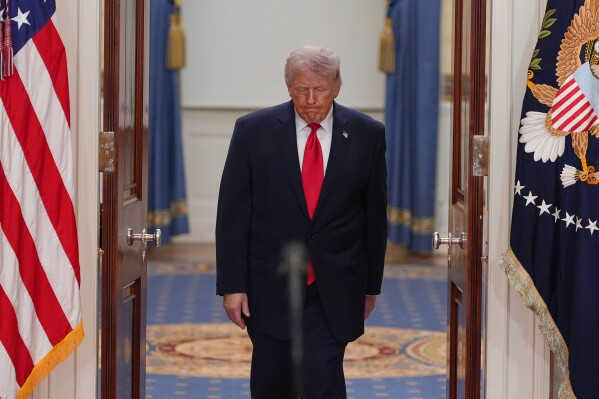
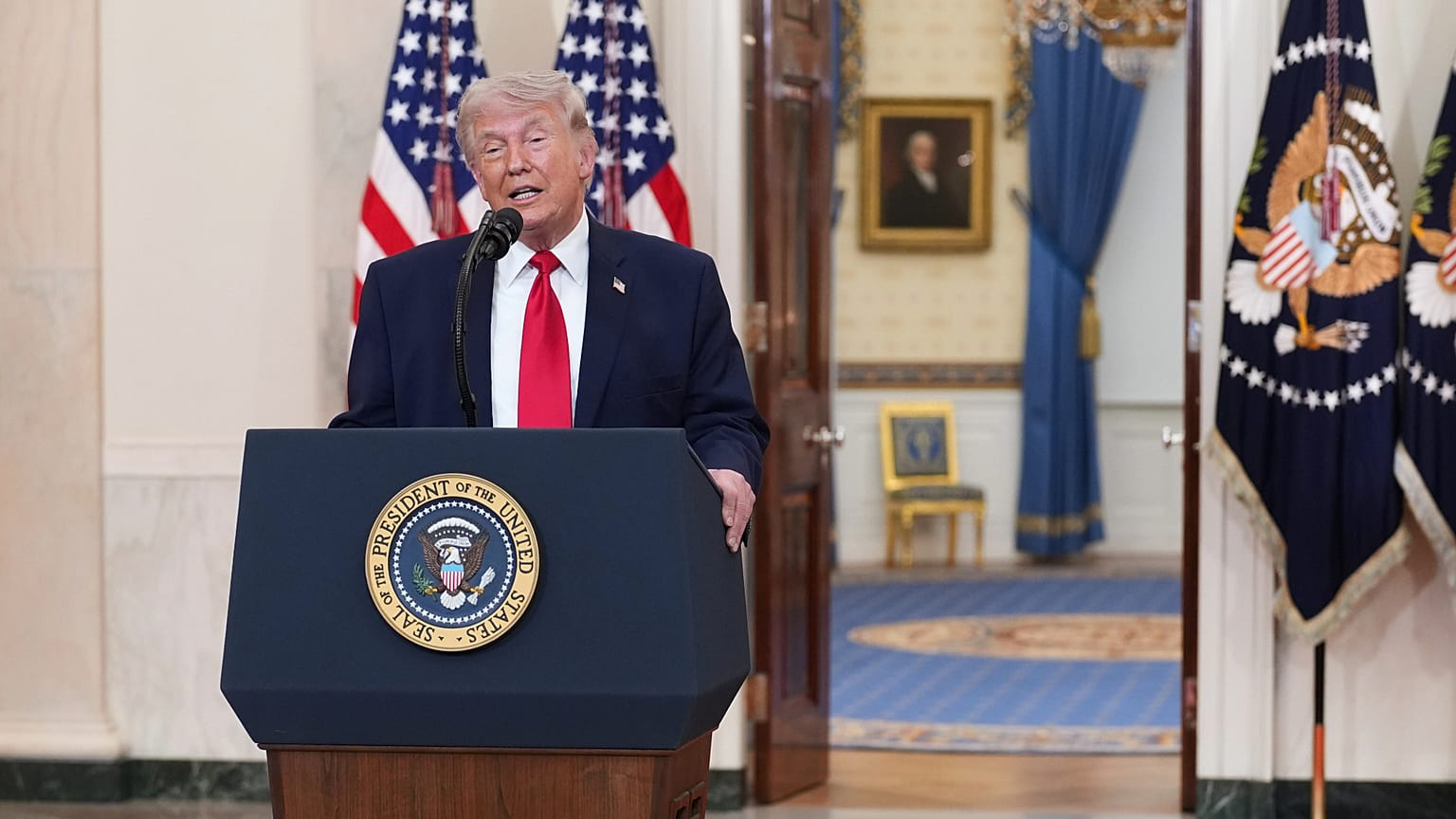
In a primetime speech from the White House, Donald Trump presented what he framed as a near conclusion to the ongoing Iran war, declaring that the United States’ “core strategic objectives are nearing completion.” Yet, despite projecting confidence and a timeline of “two to three weeks,” the address has triggered global uncertainty—both politically and economically.
- A Nation Addressed — But Not Fully Reassured
- The War Narrative: “We’re Going to Finish the Job”
- Oil, Markets, and the Global Shockwave
- Political Divide: Support, Criticism, and Confusion
- Strategic Gaps: What the Speech Didn’t Address
- Economic Pressure and Domestic Impact
- The Messaging War: Narratives Beyond the Battlefield
- A Broader Historical Context
- What Comes Next: Two to Three Weeks That Matter
- Conclusion: Nearing Completion or Entering a New Phase?
The speech, delivered roughly a month into the conflict that began on February 28, positioned the war as a decisive and necessary campaign. However, reactions across political circles, financial markets, and international observers suggest a far more complex reality.
The War Narrative: “We’re Going to Finish the Job”
Trump’s central message was clear: the end of the conflict is in sight.

“We are going to finish the job, and we’re going to finish it very fast.”
He described the U.S. military campaign—dubbed Operation Epic Fury—as highly successful, claiming that Iran’s military capabilities had been significantly degraded. According to his remarks, Iran’s navy has been dismantled, its air force weakened, and its missile and drone capabilities severely reduced.
At the same time, Trump signaled continued aggression if diplomatic progress fails:
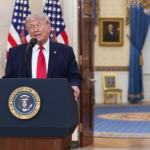

“We’re going to hit them extremely hard over the next two to three weeks.”
This dual-track approach—military escalation alongside ongoing discussions—illustrates a strategy that remains fluid and, to many observers, ambiguous.
Oil, Markets, and the Global Shockwave
While the speech emphasized military progress, global markets reacted with caution rather than confidence.
Oil prices surged sharply, with Brent crude climbing to around $106 per barrel, reflecting fears that disruptions in the Strait of Hormuz will persist. This waterway typically carries about 20% of the world’s oil supply, and its effective shutdown has already reshaped global energy flows.

At the same time:
- U.S. gasoline prices exceeded $4 per gallon for the first time since 2022
- Asian stock markets declined significantly
- U.S. stock futures dropped following the speech
These developments underscore a critical tension: while the administration presents the war as nearing resolution, economic indicators suggest prolonged instability.
Political Divide: Support, Criticism, and Confusion
Trump’s address has intensified divisions within U.S. politics.
Supporters, including figures like Lindsey Graham, described the speech as a “compelling explanation” of why military action was necessary, emphasizing the goal of eliminating Iran’s nuclear and missile capabilities.
However, critics were far more direct.
Mark Warner argued that the speech failed to answer “the most basic questions,” including the long-term strategy and consequences of the war. Similarly, Chuck Schumer labeled the address “rambling” and warned it could become a major policy failure.
The core criticism centers on one issue: clarity. Despite strong rhetoric, the administration has not fully articulated what a definitive “end” to the war looks like.
Strategic Gaps: What the Speech Didn’t Address
Several key issues were notably absent or insufficiently explained:
1. Endgame Definition
Trump repeatedly stated the war is close to completion, but did not define the conditions for victory.
2. Diplomatic Pathways
Although he mentioned ongoing discussions, there was no detailed framework for negotiations or ceasefire terms.
3. Regional Coordination
Allies were urged to “build up the courage” to secure shipping routes, but no clear multinational strategy was outlined.
4. Military Escalation Risks
The possibility of further escalation—including targeting infrastructure like power plants—raises questions about unintended consequences.
These omissions have contributed to a perception that the conflict remains unpredictable despite official optimism.
Economic Pressure and Domestic Impact
Beyond geopolitics, the war is already reshaping daily life.
Fuel prices have risen more than 30% in a matter of weeks, with diesel costs exceeding $5 per gallon. This has triggered ripple effects across industries:
- Airlines reducing routes
- Delivery services increasing surcharges
- Logistics and manufacturing costs rising
Trump attributed these increases to Iranian actions, stating:
“This short-term increase has been entirely the result of the Iranian regime launching deranged terror attacks…”
However, analysts argue that the broader disruption to global supply chains—and particularly the Strait of Hormuz blockade—is the primary driver.
The Messaging War: Narratives Beyond the Battlefield
The conflict is not limited to military operations. A parallel information war is unfolding across digital platforms.
Iranian media has targeted Trump with symbolic and viral content, while U.S. officials have used stylized videos and pop culture references to shape public perception. This modern propaganda battle reflects how geopolitical conflicts now extend into online ecosystems, influencing both domestic and international audiences.
A Broader Historical Context
Trump framed the war as a response to decades of Iranian hostility, citing incidents spanning nearly half a century. He also emphasized that previous administrations failed to act decisively:
“Essentially, I did what no other president was willing to do.”
This narrative positions the conflict as both corrective and preventive—aimed at eliminating future threats rather than merely responding to current ones.
Yet comparisons to past conflicts, including oil shocks of the 1970s, highlight the risks of prolonged instability and economic fallout.
What Comes Next: Two to Three Weeks That Matter
The next phase of the conflict is likely to be decisive.
Trump outlined two possible trajectories:
- A negotiated outcome, contingent on reopening the Strait of Hormuz and broader agreements
- Escalation, including intensified strikes on Iranian infrastructure
The timeline—two to three weeks—has become a focal point. However, analysts caution that even if military objectives are achieved, restoring global energy flows and stabilizing markets will take significantly longer.
Conclusion: Nearing Completion or Entering a New Phase?
Trump’s address was designed to signal progress and control. It presented a narrative of imminent victory, strong leadership, and strategic success.
Yet the broader picture is less settled.
Rising oil prices, volatile markets, political divisions, and unanswered strategic questions suggest that the conflict may be approaching not an end, but a transition into a more complex phase.
Whether the next few weeks bring resolution or escalation will depend on factors that remain uncertain: diplomatic breakthroughs, military developments, and the resilience of global economic systems.
For now, the world is watching closely—because the consequences extend far beyond the battlefield.