



Trump and Iran: Between Escalation Signals and Uncertain Endgame
A Defining Moment in a High-Stakes Conflict
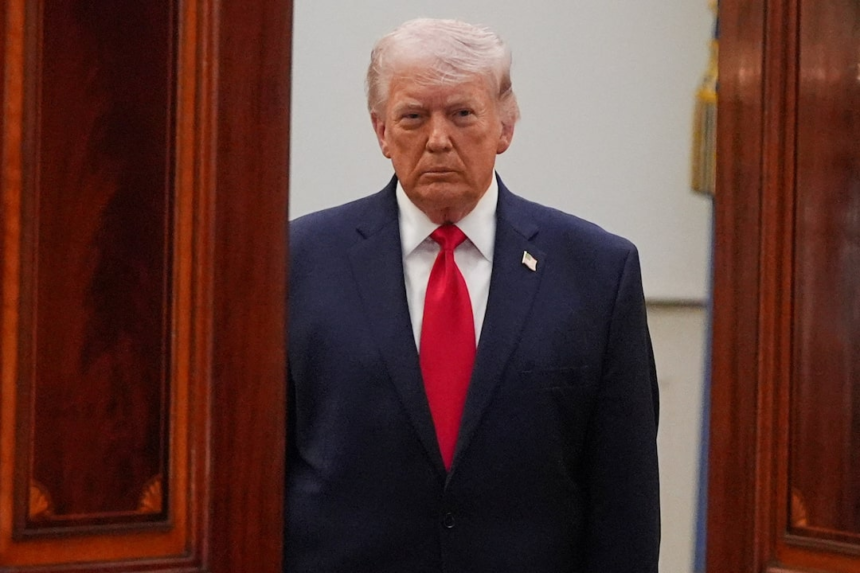
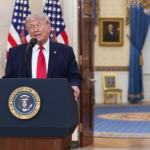
The latest address by Donald Trump has intensified global attention on the escalating confrontation between the United States and Iran. Speaking to the nation, Trump framed the conflict as nearing its decisive phase, declaring that American objectives are “very close” to completion while simultaneously warning of further strikes that could dramatically escalate the war.
- A Defining Moment in a High-Stakes Conflict
- What Trump Said: Victory Claims and Stark Warnings
- A War Without a Clear Exit Strategy
- The Strait of Hormuz: A Global Economic Pressure Point
- Military Gains vs. Strategic Reality
- Domestic Pressure in the United States
- Mixed Signals to Allies and the World
- The Bigger Picture: What Comes Next?
- Conclusion: A Conflict Nearing Resolution—or Expansion?
This dual messaging—confidence in victory alongside threats of expanded military action—has introduced a new layer of uncertainty into an already volatile geopolitical crisis.
What Trump Said: Victory Claims and Stark Warnings
Trump’s speech combined assertive military claims with aggressive forward-looking threats. Among the most notable points:

- The United States has “destroyed” Iran’s naval and air forces and inflicted severe damage on its missile and nuclear programs.
- Washington is “on the right track” to completing all strategic military objectives.
- A new wave of attacks could occur within “two to three weeks,” potentially targeting energy and oil infrastructure.
- Iran, according to Trump, has suffered a “crushing defeat” and “no longer poses a real threat.”
At the same time, he reiterated a long-standing U.S. position: Iran must not obtain nuclear weapons, emphasizing that it cannot be trusted on this issue.
Yet despite repeated references to imminent success, Trump did not provide a concrete timeline for ending the war.

A War Without a Clear Exit Strategy
A central issue emerging from the address is the absence of a defined endgame. While Trump insisted that the mission would conclude “very quickly,” analysts note that no operational roadmap was presented.
Key uncertainties include:
- No clear timeline for cessation of hostilities
- Continued possibility of military escalation rather than de-escalation
- Dependence on Iran’s response to U.S. demands for a negotiated settlement
Even Trump’s own framing suggests ambiguity: he spoke of finishing the mission soon, yet also threatened to expand strikes significantly if Iran does not comply.
This contradiction has raised concerns that the conflict could evolve into a prolonged campaign rather than a short, decisive engagement.

The Strait of Hormuz: A Global Economic Pressure Point
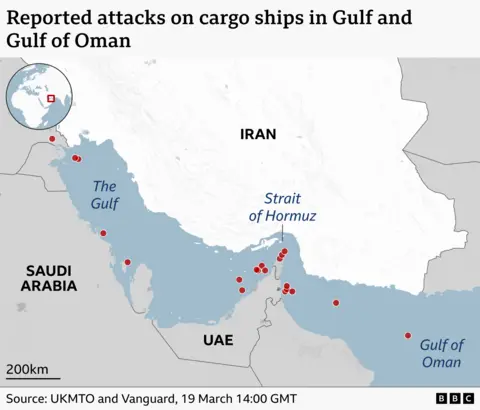
At the center of the crisis lies the Strait of Hormuz—a narrow waterway through which a significant portion of global oil and gas supplies pass.
The conflict has already triggered:
- Severe disruptions to maritime navigation
- Rising global energy prices
- Fears of a broader economic downturn
Trump suggested that the United States does not rely on the strait and that it would “open naturally” after the conflict.
However, analysts caution that Iran retains substantial leverage over this route, meaning the global economy remains exposed to continued instability.
Military Gains vs. Strategic Reality
Trump portrayed the campaign as a near-total success, claiming that Iran’s military infrastructure has been largely neutralized. But independent assessments introduce a more nuanced picture:
- Iran still possesses missile and drone capabilities capable of regional strikes
- Its highly enriched uranium stockpile remains largely intact, albeit buried or inaccessible
- The political system in Tehran has not collapsed, despite targeted strikes on leadership figures
These factors suggest that while tactical damage may be significant, the broader strategic objective—eliminating Iran’s long-term threat—remains unresolved.
Domestic Pressure in the United States
The conflict is not only reshaping international dynamics; it is also affecting domestic politics in the United States.
Recent indicators show:
- Declining public support for the war
- Concerns over economic fallout, including fuel price increases
- Resistance to the idea of deploying ground troops
Polling cited in the broader analysis indicates that approval ratings related to both the war and economic management have dropped significantly.
Trump acknowledged rising gasoline prices but described them as temporary, attributing them to Iranian actions against oil shipping.
Still, the economic dimension remains a critical vulnerability for the administration.
Mixed Signals to Allies and the World
Another notable aspect of the situation is the reaction—or lack thereof—from international allies.
- Western partners have shown reluctance to fully support the war
- Trump suggested that countries dependent on Gulf oil should take responsibility for securing maritime routes
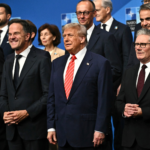
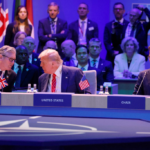
- There are underlying tensions regarding NATO’s role, although not explicitly addressed in the speech
This dynamic raises questions about the durability of U.S. alliances during prolonged conflict scenarios.
The Bigger Picture: What Comes Next?
The trajectory of the Trump-Iran conflict now hinges on several variables:
1. Military Escalation or Negotiation
The next phase could involve intensified strikes or a sudden pivot to diplomacy.
2. Energy Market Stability
Continued disruption in the Strait of Hormuz could deepen global economic strain.
3. Political Outcomes in Iran
While leadership losses have occurred, the regime remains structurally intact.
4. U.S. Domestic Constraints
Public opinion and economic pressure may influence strategic decisions.
Conclusion: A Conflict Nearing Resolution—or Expansion?
Trump’s latest address positions the war as both nearly complete and potentially entering a more aggressive phase. This dual narrative reflects the core tension at the heart of the crisis: tactical gains have been claimed, but strategic clarity remains elusive.
The absence of a defined endpoint, combined with ongoing threats of escalation, suggests that the conflict is not yet settled. Instead, it stands at a critical juncture—one that could determine not only the future of U.S.-Iran relations but also the stability of global energy markets and geopolitical alliances.