




Trump and Iran: A Fragile Ceasefire Amid Escalation, Controversy, and Global Anxiety
A Crisis on the Brink—and a Sudden Pause
The latest developments surrounding Donald Trump and Iran reflect a volatile geopolitical moment that nearly tipped into catastrophic escalation before abruptly shifting toward diplomacy.
- A Crisis on the Brink—and a Sudden Pause
- The Ceasefire Deal: Terms, Conditions, and Uncertainty
- Escalation Before De-escalation
- Political Fallout in the United States
- Global Impact: Markets, Oil, and Strategic Stability
- International Reaction: Relief with Reservations
- What Comes Next: Negotiations and Risks
- Conclusion: A Pause, Not a Resolution
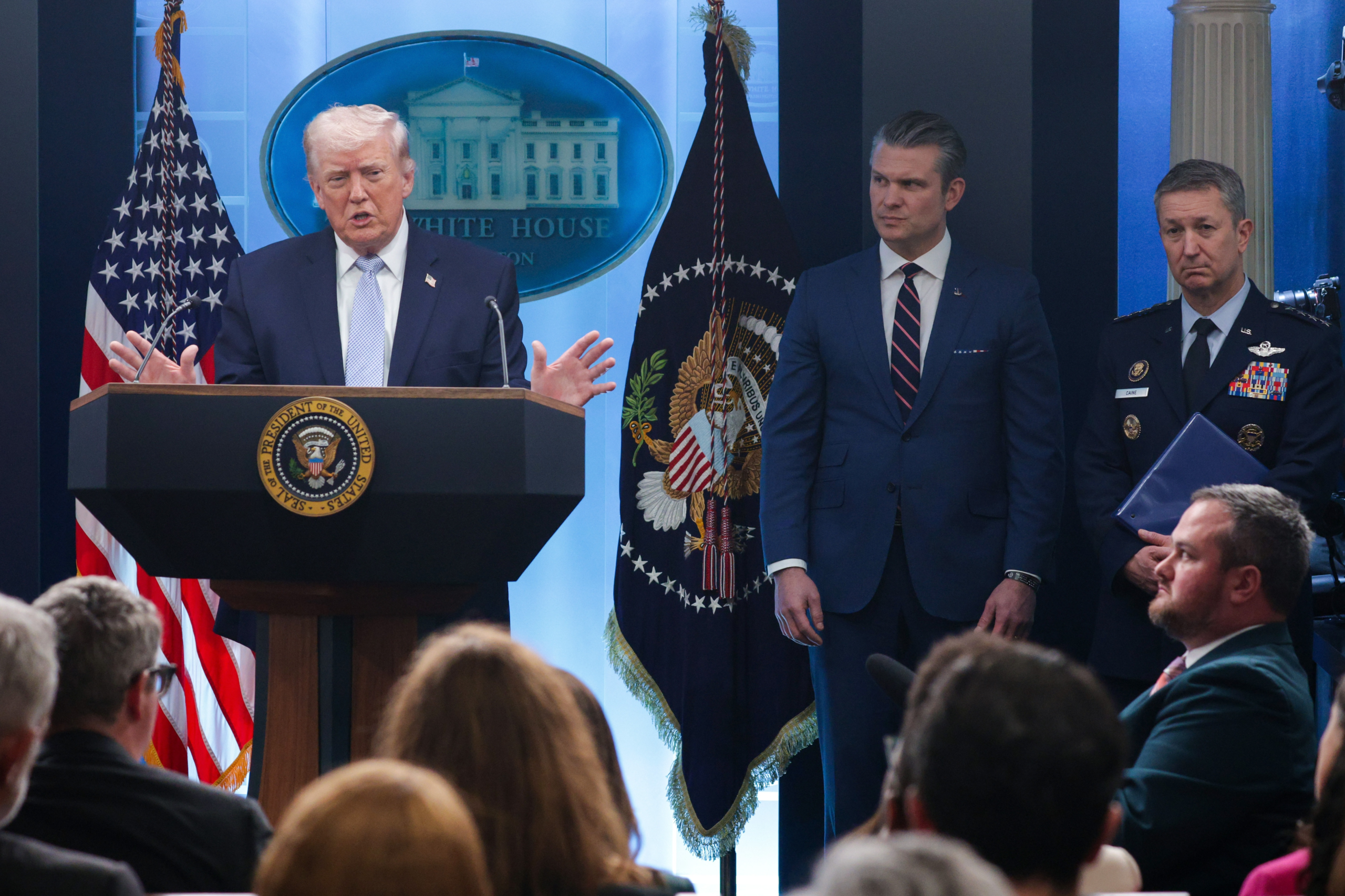
After weeks of intensifying conflict involving U.S., Israeli, and Iranian forces, the situation reached a critical point when Trump issued a stark ultimatum: reopen the Strait of Hormuz or face devastating military strikes. The threat was accompanied by one of the most controversial statements of his presidency, warning that “a whole civilization will die tonight” if Iran failed to comply.
Yet, just hours before his deadline, Trump reversed course, announcing a two-week ceasefire—a move that has temporarily halted large-scale hostilities while opening a narrow window for negotiations.



The Ceasefire Deal: Terms, Conditions, and Uncertainty
A Last-Minute Agreement
The ceasefire, brokered with significant diplomatic input from Pakistan, represents a high-stakes pause rather than a definitive resolution. Trump agreed to “suspend the bombing and attack of Iran for a period of two weeks”, contingent on Iran reopening the Strait of Hormuz for global shipping.
Iran, in turn, indicated it would:


- Halt “defensive operations”
- Coordinate safe passage through the strait via its military
- Enter negotiations based on a proposed 10-point framework
The agreement effectively prevents immediate escalation but leaves fundamental disagreements unresolved.
Competing Claims of Victory
Both Washington and Tehran have portrayed the ceasefire as a strategic win:
- Trump described the outcome as a “total and complete victory”, asserting that U.S. objectives had been met.
- Iranian officials claimed the U.S. had accepted their negotiation framework, presenting the deal as a diplomatic triumph.
This dual narrative underscores the fragile nature of the truce—each side is signaling strength while preparing for difficult negotiations ahead.
Escalation Before De-escalation
Threats That Shook Global Norms
In the days leading up to the ceasefire, Trump’s rhetoric drew intense scrutiny. His warnings ranged from explicit threats of destruction to profanity-laced demands directed at Iran.

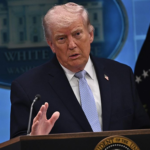
One such message urged Iran to reopen the strait immediately, warning of severe consequences. These remarks were widely condemned as unprecedented in modern U.S. presidential conduct and raised concerns about potential violations of international law.
A War Already Underway
The ceasefire comes after nearly six weeks of conflict triggered by coordinated U.S. and Israeli strikes on Iran beginning in late February.
The human and regional toll has been severe:
- Over 5,000 deaths reported across multiple countries
- Significant damage to infrastructure in Iran and neighboring regions
- Continued violence in Lebanon, which remains outside the ceasefire agreement
Even after the truce announcement, military activity persisted in some areas, highlighting the complexity of enforcing such agreements in a multi-front conflict.
Political Fallout in the United States
Democrats Push Back
The domestic political response has been sharp and deeply divided. Democratic leaders have openly questioned Trump’s judgment and fitness for office, with some calling for the invocation of the 25th Amendment.
Prominent figures argued that his rhetoric and decision-making posed a danger not only to U.S. interests but to global stability. Criticism ranged from labeling his behavior “unhinged” to accusing him of waging a reckless war.
Republican Responses: Mixed but Measured
While many Republicans supported Trump’s ceasefire decision as a tactical move, internal dissent emerged:
- Some lawmakers described his threats as “counter-productive”
- Others warned that targeting civilian infrastructure would be a grave mistake
This split reflects broader unease within the party about the president’s aggressive rhetoric and unpredictable approach.
Global Impact: Markets, Oil, and Strategic Stability
Economic Shock—and Relief
The conflict triggered a global economic ripple effect, particularly in energy markets:
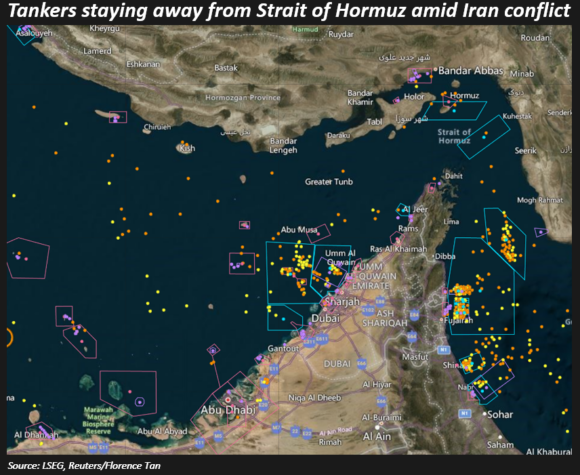
- Oil prices surged during the escalation due to disruptions in the Strait of Hormuz, which handles roughly 20% of the world’s oil supply
- Following the ceasefire, prices fell below $100 per barrel, and stock markets rebounded
However, analysts caution that supply chains—especially jet fuel—may take months to stabilize.
Strategic Chokepoint: The Strait of Hormuz
The strait remains central to the crisis. Iran’s control over this narrow waterway has been reinforced by recent events, and its proposal to regulate or even charge for passage raises new geopolitical questions.
Shipping traffic has yet to fully resume, as insurers and operators remain cautious, awaiting clearer security guarantees.
International Reaction: Relief with Reservations
Global leaders broadly welcomed the ceasefire as a step back from disaster:
- European, Asian, and Middle Eastern governments called it a positive move toward de-escalation
- The United Nations urged all parties to adhere strictly to the agreement
- Diplomats emphasized that the next phase—negotiations—will be critical
However, concerns remain about:
- The exclusion of Lebanon from the ceasefire
- Iran’s regional proxy networks
- The unresolved issue of Iran’s nuclear program
What Comes Next: Negotiations and Risks
A Narrow Window for Diplomacy
Talks are expected to begin within days, potentially in Islamabad, as both sides attempt to convert the temporary truce into a lasting agreement.
Key issues on the table include:
- Iran’s nuclear capabilities and enriched uranium
- U.S. military presence in the region
- Sanctions relief and war compensation
- Long-term control of maritime routes
A Fragile Balance
Despite the temporary calm, the situation remains highly unstable. The ceasefire is contingent on compliance from both sides and could collapse if:
- Shipping through the Strait of Hormuz is disrupted again
- Military actions resume in contested areas
- Negotiations fail to produce tangible progress
Conclusion: A Pause, Not a Resolution
The current state of Trump-Iran relations reflects a precarious equilibrium—one shaped by brinkmanship, rapid escalation, and last-minute diplomacy.
The two-week ceasefire offers a critical opportunity to step back from the edge of wider war. Yet it also exposes deeper fractures in global politics, from shifting alliances to the erosion of diplomatic norms.
Whether this moment becomes a turning point toward stability or merely a pause before renewed conflict will depend on the success of upcoming negotiations—and the willingness of all parties to move beyond rhetoric toward lasting compromise.