Tom Candiotti Net Worth, Relationships, Age/Birthdate & Birthday
Overview of Tom Candiotti — net worth, relationships, age/birthdate, and birthday.
 loveness92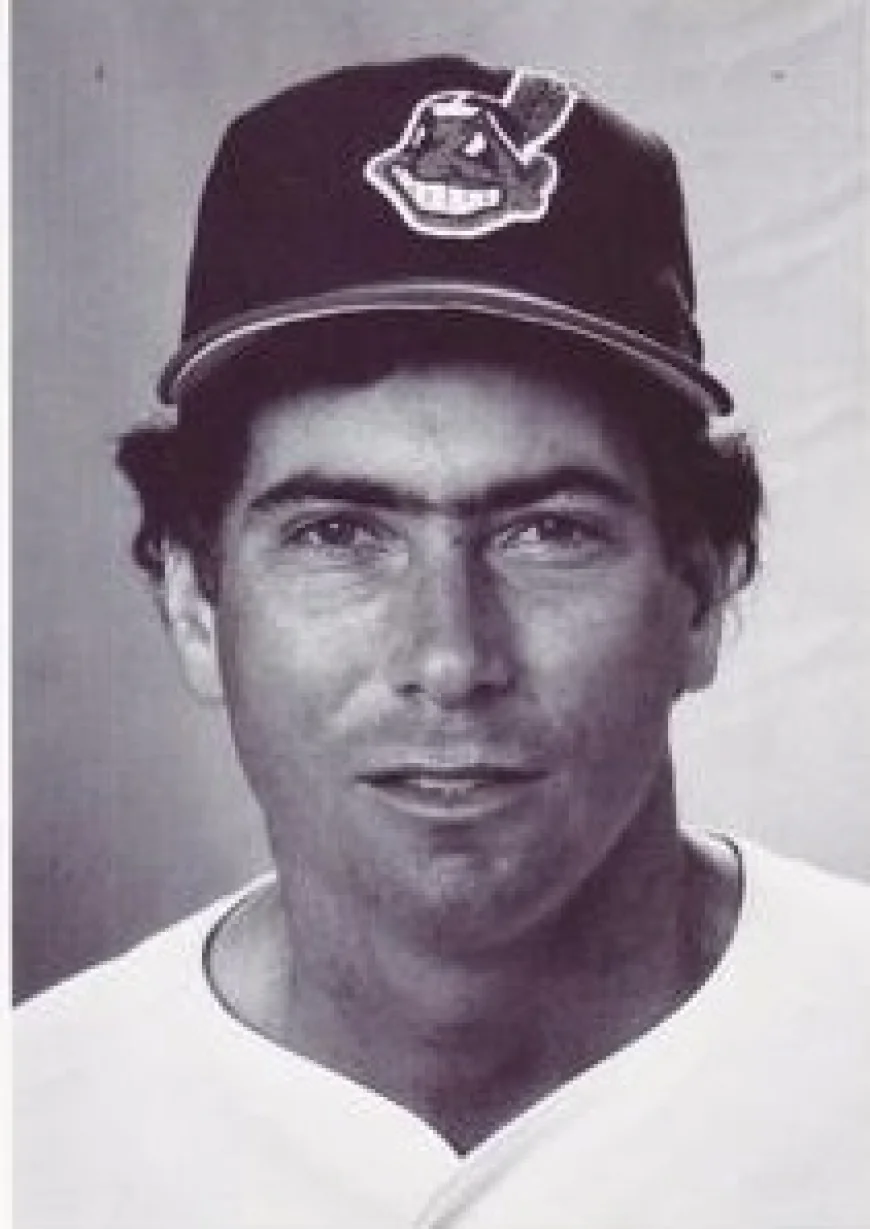
The Unlikely Journey of Tom Candiotti — Knuckleballs, Comebacks, and Quiet Legacy
From Undrafted Hopeful to Knuckleball Pioneer
Thomas Caesar Candiotti was born on August 31, 1956 in Walnut Creek, California — a birthdate that marks the beginning of a career as unlikely as it was enduring.
Despite a standout high-school career at Concord High School and four years pitching at Saint Mary’s College of California, Candiotti went entirely undrafted upon graduation. Undeterred, he drove to Victoria, British Columbia, in 1979 for a tryout with the independent Victoria Mussels. He had no car, little money, and often slept on the clubhouse floor or even on the field — a humble start that belied the storied career to come.
That perseverance paid off. In 1980 he was signed as an amateur free agent by what was then the Kansas City Royals — though he never pitched for them. Later that year, via the minor-league Rule 5 draft, Candiotti landed with the Milwaukee Brewers, setting the stage for his Major League debut on August 8, 1983.
But the real turning point came in 1986, when Candiotti began to rely primarily on the knuckleball — a rare and notoriously unpredictable pitch. In doing so, he joined the small fraternity of mound magicians who made the knuckler their signature. By some accounts, he was only the 20th pitcher in MLB history to use the knuckleball full-time.
A Long Career Defined by Persistence and Precision
Candiotti’s major-league career spanned 16 seasons and included stints with five teams — the Milwaukee Brewers, Cleveland Indians, Toronto Blue Jays, Los Angeles Dodgers, and Oakland Athletics.
Over 451 games (410 as a starter), he accumulated 151 wins and 1,735 strikeouts, finishing with a career ERA of 3.73 and a WHIP around 1.30.
Remarkably, these numbers were compiled despite often playing with teams that offered little run support — a challenge for any pitcher, but especially one whose success depended on consistency and control rather than overpowering speed.
His 1988 season with the Cleveland Indians stands out: a 14–8 record, a 3.28 ERA, and 137 strikeouts — among the best years of his career.
Life After the Mound — From Front Office to Broadcast Booth
When Candiotti hung up his cleats after his final MLB appearance on July 24, 1999, he did not walk away from the game. In 2000 and 2001, he took a front-office role with the Cleveland Indians organization — a transition that leveraged his deep understanding of pitching and the business of baseball.
In 2001, he made another career pivot — joining ESPN as a broadcaster and analyst for “Baseball Tonight.” Over the next several years, he provided commentary and insights for MLB games, later becoming a radio analyst for the Arizona Diamondbacks.
He even had a small role in pop culture: Candiotti appeared in the 2001 film 61* as knuckleball pitcher Hoyt Wilhelm.
Calculating Legacy — Estimated Net Worth and Quiet Influence
Although precise financial records are seldom made public for retired athletes, some sources estimate that Tom Candiotti has a net worth around US$13 million.
This figure reflects not just his playing career, but decades of continued involvement in baseball — from team front offices, to national broadcasting, to radio analysis. His resilience and adaptability helped convert barely a foothold into a long-term, stable legacy.
Yet beyond numbers and contracts, his legacy is more subtle: Candiotti exemplifies the underdog who refused to be counted out. As a knuckleballer, he represented a dying breed — one that prized craft, command, and mental toughness over raw velocity. His success helped ensure that the knuckleball remained a viable, respected pitch in modern baseball.
Personal Life — Roots, Family, and a Life Off the Field
Tom Candiotti’s path to the majors was hardly glamorous, but off the field, he built a stable life. His first marriage — to Debra — ended in 1992 after more than a decade; the following year, in 1993, he married Donna Beck.
He has two sons with Donna: one is Clark Candiotti, who followed in his father’s footsteps as a pitcher for the University of Arizona and was drafted in 2024 by the San Diego Padres. His other son, Casey Candiotti, has also pursued baseball, pitching for the Holy Names Hawks.
Despite decades in the public eye, Candiotti remains a figure defined by professionalism and humility — the kind of player whose story rarely generates headlines, but whose impact resonates quietly and deeply among fans, teammates, and students of the game.
Why Tom Candiotti’s Story Still Matters
In an era dominated by high-velocity fastballs and flashy stats, Candiotti’s journey offers a refreshing counter-narrative. He reminds us that perseverance, adaptability, and sheer love of the game can carry a career — and a legacy — further than the brightest of rookie scouting reports.
From sleeping in clubhouses to striking out over 1,700 batters in the majors, from undrafted unknown to respected commentator — Tom Candiotti’s story underscores baseball’s enduring capacity for reinvention. And in doing so, he carved out a place in history: not because he was the flashiest or fastest — but because he was resilient, skillful, and quietly unforgettable.