Tim Cappello Net Worth, Relationships, Age/Birthdate & Birthday
Overview of Tim Cappello — net worth, relationships, age/birthdate, and birthday.
 loveness92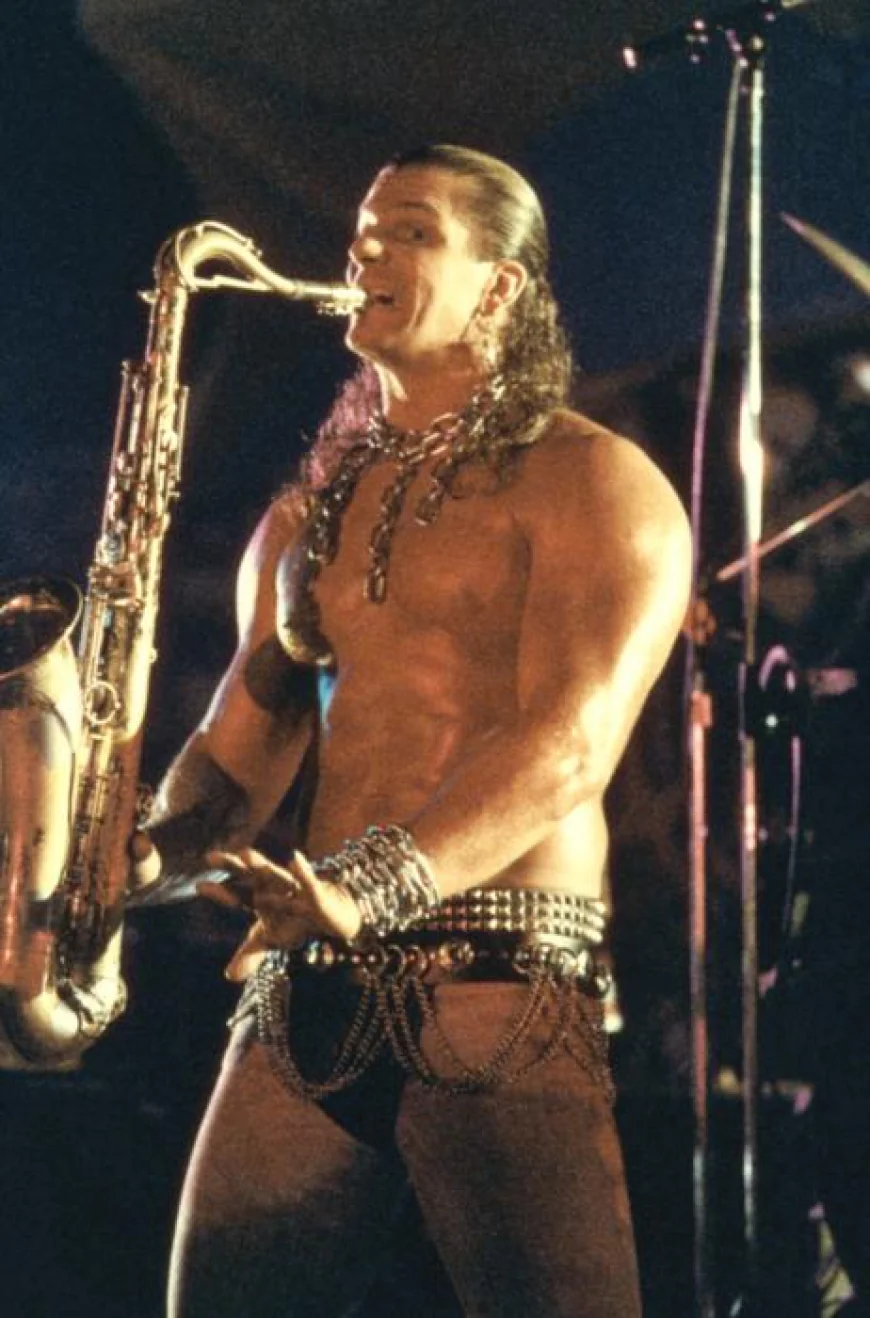
The Unconventional Journey of Tim Cappello — From Sax-Kid to Cult Icon
Few figures in rock and pop history are as instantly recognizable — or as unapologetically flamboyant — as Tim Cappello. With horn in hand, oiled skin glistening under stage lights, and an audacious stage presence, he became an unforgettable symbol of 1980s bravado. But his story is far richer than the “shirtless saxman” image suggests: a tale of musical talent, rebellion, survival, and reinvention.
The First Notes: Early Musical Roots and Unorthodox Training
Born on May 3, 1955 in Harrison, New York (Silver Lake neighborhood), Cappello was raised in a home infused with music — his father was a local conductor and music teacher.
He began formal music lessons at age four, and by 15 he had left high school to attend the prestigious New England Conservatory of Music, auditioning on drums and keyboards.
After the Conservatory, Cappello pursued saxophone studies under jazz pioneer Lennie Tristano, apprenticing intermittently for four years — a formidable foundation for someone destined to straddle the line between serious musician and wild rock-era showman.
Breaking Stage Norms: From Struggle to Sensation
Early on, Cappello toured with a variety of acts — from rock artists to comedy shows — even working with comedian Billy Crystal.
However, during his time on the road, Cappello battled heroin addiction, a struggle common among musicians caught in the relentless 1970s touring cycle.
The turning point came in 1979, when he quit “cold turkey.” To rebuild not just his health but his identity, he turned to bodybuilding. What followed was a dramatic transformation — not only physically but artistically. The disciplined regimen of weights and showmanship that came with it redefined his stage persona.
In 1981–82, he led his own short-lived band, The Ken Dolls, performing at underground venues in NYC. Their provocative, “porn pop” aesthetic — frequently forgoing shirts, even wearing g-strings — clashed with traditional rock norms, and reportedly led to bans from venues. Still, this period cemented Cappello’s emerging identity: a bold, unapologetic performer who invoked both musical talent and theatrical eroticism.
The Breakthrough: From Session Player to Stage Legend
In 1984, Cappello auditioned for and was hired by Tina Turner as saxophonist and keyboardist. The collaboration catapulted him into mainstream visibility. His saxophone riffs and onstage presence can be heard and seen in some of Turner’s biggest hits — notably “We Don't Need Another Hero (Thunderdome)” and “One of the Living” — and their music videos lent perfect stage to his muscular, swaggering persona.
But Turner wasn’t the only major name Cappello worked with. He toured with Peter Gabriel around the late 1970s, contributing saxophone and keyboards to early solo albums.
By the mid-to-late 1980s, Cappello had established himself as much for his “look” as his sound — oiled chest, ponytail, bare torso — earning a niche as rock’s “sexy saxman.” His unique presence became an essential part of what made performances electric, theatrical, and unforgettable.
A Cult Moment On-Screen: When Music Met Cinema
Few moments capture Cappello’s idiosyncratic legacy better than his performance in the 1987 cult film The Lost Boys. There, as the “Beach Concert Star,” he delivered a sweaty, sax-driven rendition of “I Still Believe” — a scene that has since become a staple of 1980s nostalgia and horror-pop culture.
That performance distilled everything that made Cappello iconic: musicality, bravado, sensuality, and bold theatricality. It wasn’t about understated jazz finesse — it was sex, rock, and raw charisma.
Reinvention and Resilience: Later Years and Enduring Influence
After decades as a sideman and session musician, Cappello didn’t fade into obscurity. He reinvented himself. In 2018, he released his first solo album, Blood on the Reed.
Around the same time, he collaborated with the British synthwave band GUNSHIP on tracks like “Dark All Day,” embracing a new generation of electronic-leaning retro collaborators, and weaving his signature sax sound into modern contexts.
In recent years, Cappello has also participated in various media appearances — bearing witness to his own legend and offering reflections on a career that bridged music, film, and showmanship.
Estimating Legacy: What Net Worth Reflects and What It Misses
According to a widely cited estimate, Tim Cappello’s net worth stands at roughly US$3 million.
But that figure — as with any net worth estimate for an artist — only tells part of the story. It reflects accumulated earnings from tours, recordings, film appearances, and collaborations. It doesn’t capture the intangible value of cultural impact: the dozens of musicians and performers who’ve drawn inspiration from his fearless stage presence, or the fans who still discover him through film cult classics and modern synthwave collaborations.
Private Life: What Is (and Isn’t) Public
Information about Cappello’s personal relationships tends to be sparse and inconsistent. Some sources online suggest he may be single at present.
More authoritative biographies and music-industry writeups — such as the profile on “Jazzfuel” — focus almost exclusively on his professional life.
Given the lack of verifiable public statements or reported relationships, it is difficult to draw definitive conclusions about his romantic life. What is clear, however, is that his identity — both personal and performative — has always been deeply rooted in his music, his physicality, and his artistry.
Why Tim Cappello’s Story Still Resonates
Tim Cappello’s journey isn’t the classical tale of overnight stardom. It’s not a story of clean-cut rise through mainstream appeal. Instead, it’s a chronicle of reinvention, survival, and unapologetic self-expression.
He learned classical music. He studied jazz under a legend. He fought addiction. He rebuilt himself through bodybuilding. He challenged rock-era norms by making his own brand of “shock-pop saxophone.” Then he rode that wave — touring with rock icons, delivering electrifying live performances, and making an unforgettable mark on film.
Today, decades after he first started playing sax, his legacy endures — not only in vinyl grooves or film reels, but in the unabashed confidence he brought to the stage. For artists who walk the line between music and performance art, between grit and glamor, Tim Cappello remains a reference point.