




The Modern Mayor: Power, Politics, and Life Beyond City Hall
A Role Under Pressure and Transformation
The office of a mayor has long been seen as the political heartbeat of a city—a position that blends leadership, administration, and public accountability. But recent developments across multiple cities reveal a more complex reality: the role of a mayor is evolving rapidly, shaped by legal constraints, electoral systems, and even post-office career reinvention.
- A Role Under Pressure and Transformation
- Fargo’s Mayoral Race: A System Defined by Rules and Deadlines
- Elections and Legal Boundaries: The Bridgeport Case
- Life After Office: Reinvention in Denver
- The Expanding Scope of Mayoral Responsibility
- Political Competition and Civic Engagement
- What Comes Next for Mayors?
- Conclusion: A Role in Constant Evolution
From filing deadlines in Fargo to legal scrutiny in Bridgeport and new ventures by a former mayor in Denver, the position today is not just about governance—it is about navigating systems, responding to public expectations, and adapting beyond political life.
Fargo’s Mayoral Race: A System Defined by Rules and Deadlines
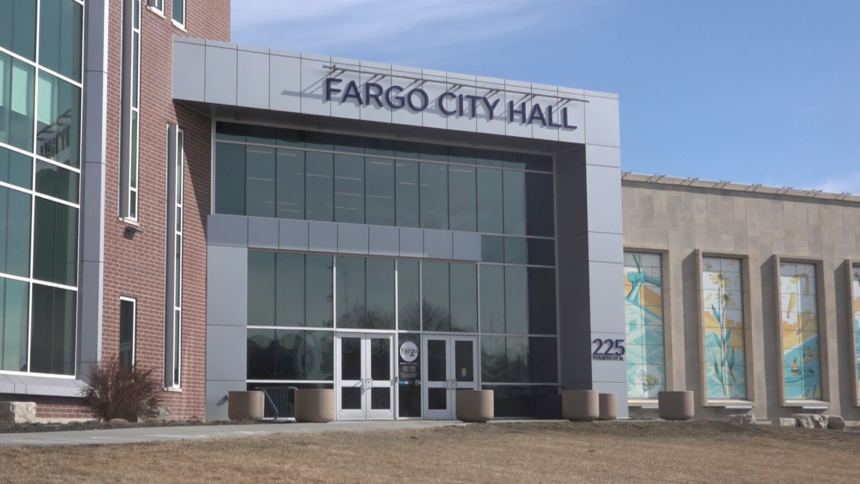
In Fargo, the mayoral office is currently at the center of a structured and time-sensitive electoral process.

Candidates seeking to run for mayor, city commission, or park board positions face a firm deadline: 4 p.m. Monday, April 6, to submit their nomination papers. The process is deliberately procedural, reflecting the institutional rigor behind local governance.
What It Takes to Run for Mayor
To qualify for the ballot, candidates must:


- File a Campaign Contribution Form
- Submit a Statement of Interest
- Provide a Statement of Candidacy (for mayoral and commission candidates)
- Gather at least 300 signatures from qualified electors
All documentation is handled through the City Auditor’s Office, reinforcing the administrative framework behind local elections.
Eligibility requirements further underscore the seriousness of the role:
- Candidates must be qualified electors in Fargo
- They must have maintained continuous residence in the city for at least nine months
Notably, the mayor serves a four-year term, and a significant policy shift occurred in September 2025 when the commission voted to make the mayoral role full-time. This change reflects a broader trend: cities increasingly require mayors to operate as full-time executives rather than ceremonial leaders.
A ballot position drawing scheduled for April 7 adds another layer of procedural transparency, ensuring fairness in how candidates are presented to voters.
Elections and Legal Boundaries: The Bridgeport Case
While Fargo demonstrates the structured pathway to becoming a mayor, developments in Bridgeport highlight the legal complexities that can shape mayoral authority.
Mayor Joe Ganim recently proposed an “election integrity” initiative as part of his municipal budget. The plan aimed to allocate $60,000 to expand supervised absentee ballot processes, particularly for vulnerable populations such as seniors and residents in care facilities.
Initially framed as a move to enhance accessibility and transparency, the proposal quickly encountered a critical obstacle: it violated existing state law.
Why the Plan Failed
The issue stemmed from a 2021 legislative change that eliminated provisions allowing discretionary supervised absentee balloting. The intention behind the law was to prevent potential disenfranchisement and logistical confusion.
Officials acknowledged the complexity of the situation:
- The law does not clearly address how to handle ballots already submitted before a location is designated for supervised voting
- Mandatory supervised voting is limited to specific facilities with at least 20 registered voters
- Expanding such systems could unintentionally exclude eligible voters who are not present during designated sessions
As one official noted, “The statute as written was unworkable in practice.”
The situation is further complicated by the political context. The proposal comes in the aftermath of a 2023 absentee ballot scandal, which led to legal challenges, arrests, and even a court-ordered redo of elections.
Despite the setback, city officials indicated they may explore alternative solutions in collaboration with state authorities. The episode underscores a key reality: even well-intentioned mayoral initiatives must operate strictly within legal frameworks.
Life After Office: Reinvention in Denver
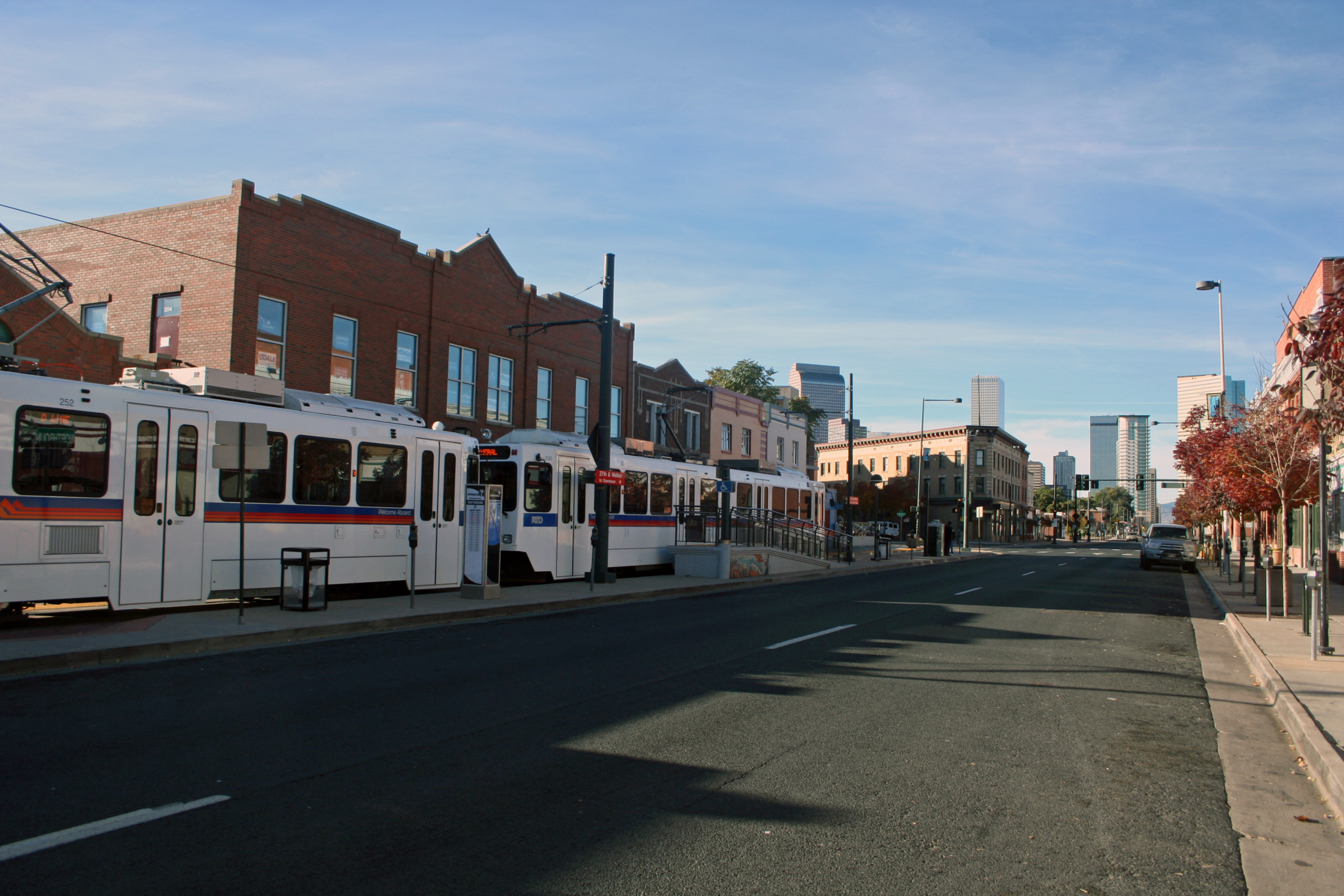
The influence of a mayor does not necessarily end with their term in office. In Denver, former mayor Michael Hancock provides a case study in post-political reinvention.
After leaving office in 2023, Hancock transitioned into consulting, advising governments and major infrastructure projects. His work took him internationally—from Cape Town to Barcelona—and into high-level advisory roles, including assisting with leadership development for California’s high-speed rail initiative.
A Strategic Shift into Real Estate
Now, Hancock has entered a new domain: commercial real estate.
He recently purchased a 7,000-square-foot office building in Denver’s Five Points neighborhood for $1.4 million, equivalent to $209 per square foot.
His redevelopment plan includes:
- Converting two-thirds of the space into a coworking hub
- Leasing remaining space to coffee shops and office tenants
- Transforming an adjacent parking area into a green space and garden
- Investing an additional $600,000 to $1 million in renovations
Hancock described the project as both a business venture and a personal mission:
“I hope to be an inclusive, cultural coworking space for folks to come and … do their work and enjoy a very diverse, engaged, connected community.”
The move reflects a broader pattern among former public officials: leveraging political experience into private-sector opportunities while maintaining ties to community development.
The Expanding Scope of Mayoral Responsibility
Across these cases, a consistent theme emerges: the role of a mayor is no longer confined to city hall.
Key Trends Shaping Modern Mayorship
- Professionalization of the Role
Cities like Fargo are formalizing the mayoral position as full-time, increasing expectations for executive leadership. - Legal and Regulatory Constraints
The Bridgeport case illustrates how legal frameworks can limit or redefine mayoral initiatives, particularly in sensitive areas like elections. - Post-Office Influence
Former mayors, such as Michael Hancock, continue to shape urban development and policy through private ventures and advisory roles. - Public Accountability and Transparency
From ballot procedures to campaign filings, modern mayors operate in environments that demand high levels of scrutiny and compliance.
Political Competition and Civic Engagement
Beyond policy and administration, mayoral elections remain a central pillar of local democracy. In places like Knox County, multiple candidates—including Larsen Jay, Betsy Henderson, and Kim Frazier—are actively contesting the mayoral position, reflecting ongoing civic participation and political diversity.
These contests highlight the accessibility of local politics compared to national offices, while also emphasizing the importance of community-level leadership.
What Comes Next for Mayors?
Looking ahead, several developments are likely to shape the future of mayoral leadership:
- Increased digital governance, requiring mayors to integrate technology into public services
- Greater legal oversight, particularly in election management and public funding
- Hybrid career paths, where political leaders transition seamlessly into business, consulting, or nonprofit sectors
- Stronger community engagement, as voters demand transparency and measurable outcomes
The mayor of today is not just a city administrator but a strategist, communicator, and, increasingly, a public figure with influence that extends far beyond their term.
Conclusion: A Role in Constant Evolution
The examples from Fargo, Bridgeport, and Denver demonstrate that the office of mayor is both resilient and adaptable. Whether navigating election procedures, confronting legal constraints, or reinventing careers after public service, mayors remain central to how cities function and evolve.
What has changed is the scope. The modern mayor operates within a complex ecosystem of law, politics, and community expectations—where every decision carries both immediate and long-term implications.