





The Masters: Golf’s Most Iconic Stage and Its Enduring Appeal
A Tournament That Transcends Sport
Each April, the global golf calendar pivots toward one destination: Augusta National Golf Club. Here, amid pristine fairways and meticulously curated landscapes, The Masters Tournament unfolds—not simply as a competition, but as a cultural institution.
- A Tournament That Transcends Sport
- Tradition at the Core of The Masters
- The Competitive Landscape: Precision Under Pressure
- A Global Broadcast Phenomenon
- The Viewing Experience: Layers of Engagement
- Culture, Symbolism, and Unexpected Icons
- The Masters in a Modern Context
- Conclusion: Why The Masters Endures
Often described as the most distinctive of golf’s four majors, The Masters combines elite competition with traditions that remain largely unchanged over decades. It is the first major championship of the year, drawing the world’s best professionals, top amateurs, and legendary figures into a single, highly symbolic arena.
For many observers, the event represents more than sport. It is a ritual—where history, prestige, and performance converge.
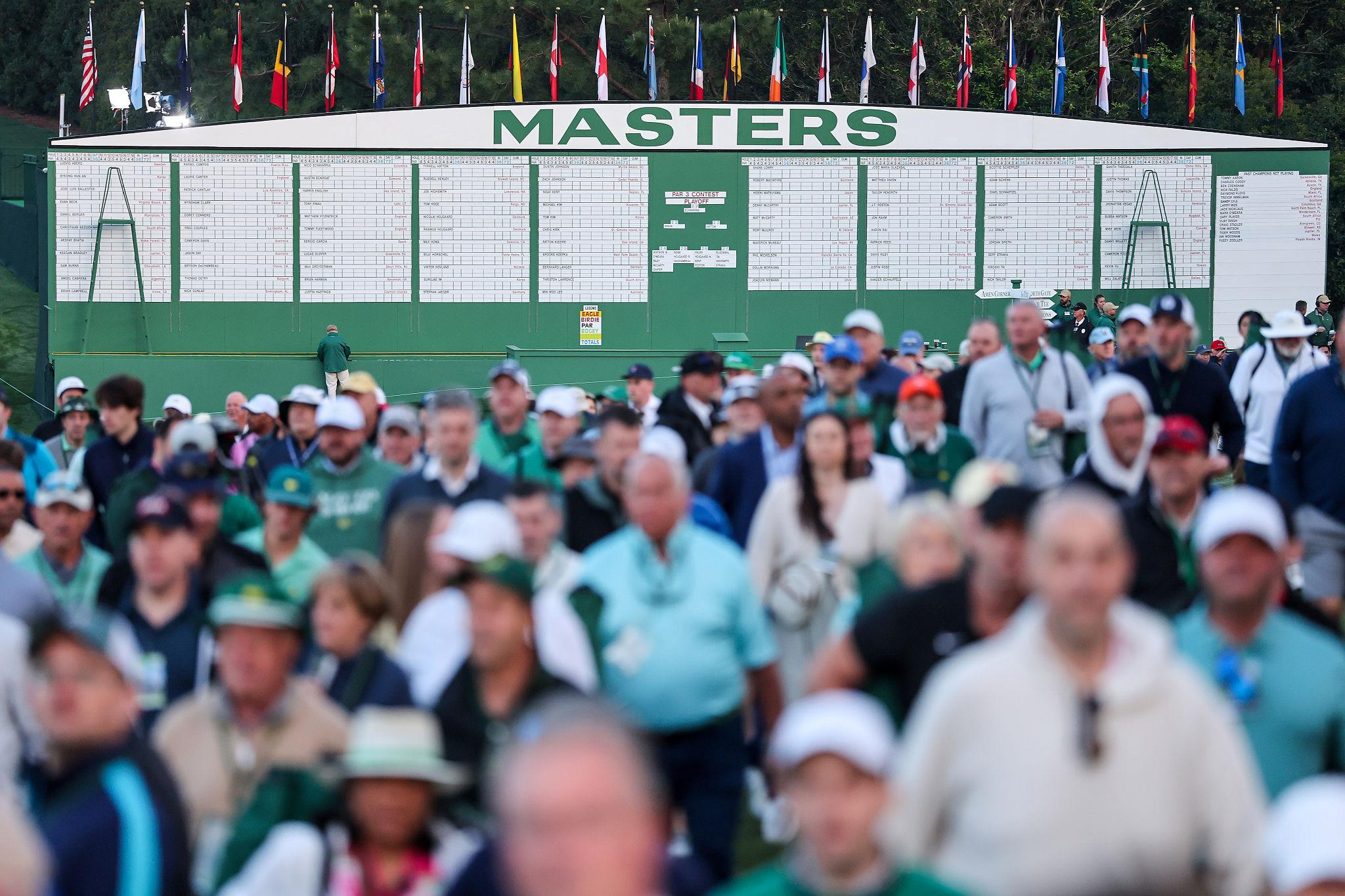



Tradition at the Core of The Masters
Unlike other major tournaments, The Masters is defined as much by its customs as by its leaderboard. Before a single competitive shot is struck, the tone is set through one of its most revered rituals: the honorary starters.
Golf legends such as Jack Nicklaus, Tom Watson, and Gary Player step onto the first tee to hit ceremonial opening drives. These moments are not merely symbolic—they serve as a bridge between eras, connecting modern competitors with the sport’s legacy.



Shortly afterward, the tournament transitions from ceremony to competition. In 2026, players like Johnny Keefer and Haotong Li had the honor of striking the first official shots, marking the beginning of another chapter in Masters history.
The Competitive Landscape: Precision Under Pressure
The Masters is not simply about power or distance. Augusta National demands strategic precision, particularly in its early stages.
The opening holes, especially during the morning sessions, play a critical role in shaping momentum. Players use these moments to settle into rhythm, manage pressure, and establish early positioning. Even slight miscalculations can have cascading effects over the four-day tournament.
High-profile contenders—such as defending champion Rory McIlroy—often tee off later in the day, but the groundwork laid by early groups frequently influences the competitive narrative.



This layered structure—where early play intersects with headline performances—adds complexity to the viewing experience and amplifies the tournament’s unpredictability.
A Global Broadcast Phenomenon
The Masters is not only a sporting event; it is a global media operation with a uniquely controlled distribution model.
In 2026, broadcast rights were divided among major networks, including:
- Amazon Prime Video
- ESPN
- CBS
In the United Kingdom, coverage was provided by Sky Sports, while Canadian audiences accessed the event via TSN.
Overall, The Masters reaches audiences in approximately 200 countries, reinforcing its status as a truly global spectacle.
However, the tournament maintains a distinctive approach to coverage. Unlike other majors, full live broadcasting from the very first shot is not universally available. Instead, fans rely on a combination of:
- Official platforms such as Masters.com and the Masters app
- Featured group streams
- Coverage of iconic sections like Amen Corner
This controlled distribution enhances exclusivity while preserving the event’s carefully curated identity.
The Viewing Experience: Layers of Engagement
The Masters offers a multi-dimensional viewing experience that extends beyond traditional broadcasts.
Fans can follow:
- Featured Groups for player-focused coverage
- Amen Corner for one of golf’s most dramatic stretches
- Holes 15 and 16 for late-round turning points
Programming such as “Welcome to the Masters” and “Live From The Masters” provides analysis, commentary, and contextual storytelling, enriching audience engagement.
This segmentation allows viewers to engage with the tournament in a more granular way, tailoring their experience to specific players, moments, or narratives.
Culture, Symbolism, and Unexpected Icons
Beyond its formal traditions, The Masters also cultivates a unique cultural dimension. Small, unexpected elements often become part of its folklore.
In 2016, a simple garden gnome introduced at Augusta evolved into an unlikely cult symbol—demonstrating how even minor details can resonate with fans and become recurring features of the tournament’s identity.
Such elements reflect a broader truth: The Masters thrives on a blend of precision and personality. While the competition remains rigorous, the surrounding culture adds texture, making the event memorable beyond its results.
The Masters in a Modern Context
Despite its strong attachment to tradition, The Masters continues to adapt to contemporary demands.
Digital streaming, multi-platform broadcasting, and interactive viewing options illustrate how the tournament is evolving without compromising its core identity. The balance between exclusivity and accessibility remains a defining characteristic.
At the same time, discussions around broadcasting rights, technology integration, and audience engagement suggest that further changes are inevitable. Yet, the tournament’s leadership consistently prioritizes continuity—ensuring that innovation does not dilute its heritage.
Conclusion: Why The Masters Endures
The Masters occupies a unique position in global sport. It is not merely the first major championship of the year—it is a carefully orchestrated experience that blends competition, tradition, and storytelling.
From the ceremonial opening drives to the strategic battles on Augusta’s greens, every aspect of the tournament is designed to reinforce its identity. Its controlled broadcast model, global reach, and cultural nuances ensure that it remains both exclusive and widely celebrated.
In an era where many sporting events prioritize scale and spectacle, The Masters stands apart. Its enduring appeal lies in restraint—preserving the elements that have defined it for generations while adapting just enough to remain relevant.