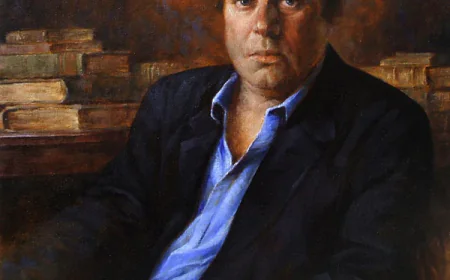
T-Bone Burnett Net Worth, Relationships, Age/Birthdate & Birthday
Overview of T-Bone Burnett — net worth, relationships, age/birthdate, and birthday.
 loveness92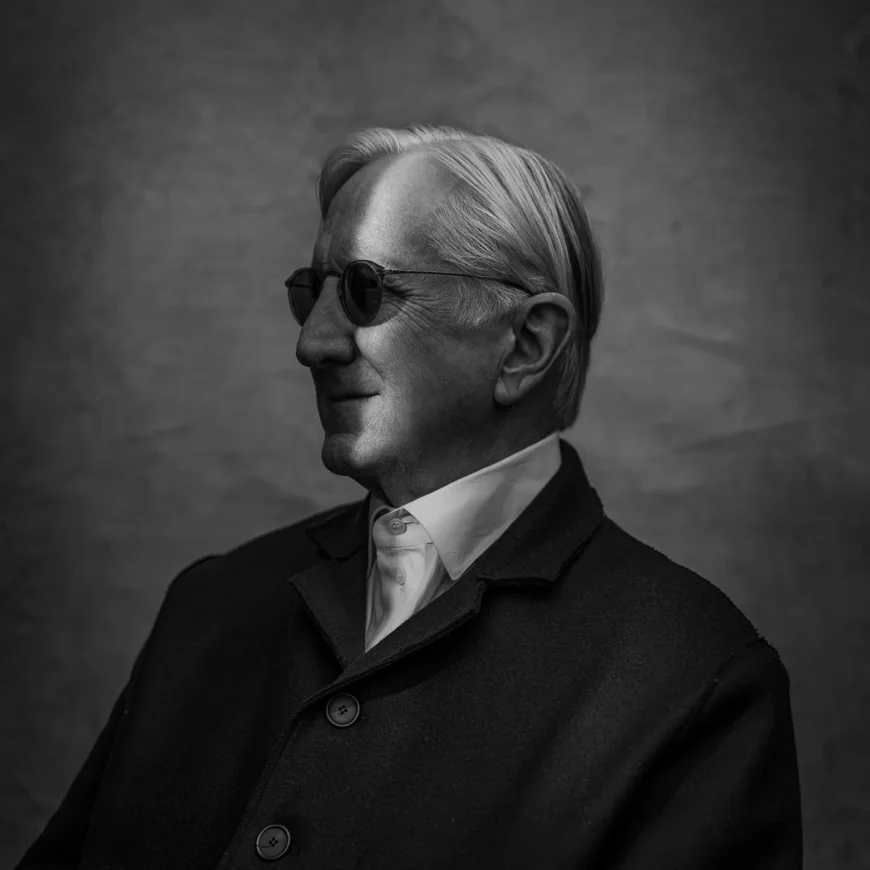
A Wanderer Between Worlds — The Unique Journey of T‑Bone Burnett
Joseph Henry “T Bone” Burnett III — known simply as T Bone Burnett — has traversed a remarkable path: from blues bars in Texas and backing legendary tours, to shaping the sound of modern Americana, roots rock, and film soundtracks. His journey reads like a tapestry of old-school musicianship, restless artistic curiosity, and commitment to sonic authenticity. Born on January 14, 1948, his birthday marks the beginning of a life that would eventually help define the sound of several generations.
From Midwestern Roots to Musical Calling
Burnett’s early years began in St. Louis, Missouri — born there on January 14, 1948 — but he was raised in Fort Worth, Texas, where a childhood steeped in records of jazz, blues, country, and early rock helped shape his eclectic taste. He picked up the nickname “T Bone” early, a moniker that would come to feel as much a brand as a given name.
By his late teens and early twenties, Burnett was experimenting with recording and performing — founding a small studio, playing in local bands, and eventually relocating to Los Angeles in the early 1970s. His debut solo album, The B-52 Band & the Fabulous Skylarks (1972), issued under the name J. Henry Burnett, admittedly had little commercial impact — but it marked the start of a career defined more by substance than by pop-chart success.
His early work already hinted at a restless musical conscience: rather than chasing mainstream rock stardom, Burnett gravitated toward songcraft, roots sounds, and production.
Standing On Another Stage — Touring, Bands, and A Shift Toward Production
In 1975–76, Burnett joined the touring ensemble of Bob Dylan — the famed Rolling Thunder Revue — an experience that offered exposure to a larger network in the industry and real-world touring dynamics. After the tour disbanded, he co-founded The Alpha Band with fellow bandmates, releasing three albums between 1976 and 1978.
Yet, as the 1980s dawned, Burnett’s true passion came into focus — not so much as a frontman, but as a producer and musical collaborator. His first major production successes began to accrue: he worked with artists and bands such as Los Lobos, Elvis Costello, and even the legendary Roy Orbison.
Burnett described production as his calling: helping songs “live passionately, honestly, defiantly or humbly” — rather than chasing commercial glitz.
Over time he became one of popular music’s most respected producers — versatile and meticulous, with deep roots in blues, folk, country, and rock — shaping records not just for his own artistry but for the voices of others.
Crafting Soundtracks and Reviving Roots — The Producer with Vision
While Burnett continued releasing his own solo albums (including Truth Decay in 1980, The Criminal Under My Own Hat in 1992, and more recent works) his influence soared through his production and soundtrack work.
A turning point arrived with the soundtrack for O Brother, Where Art Thou? (2000), a project that helped spark a renewed interest in Americana and roots music — a cultural and commercial wave that would ripple for years.
Success followed: Burnett earned multiple major awards, including Grammy Awards and an Academy Award for Best Original Song (for “The Weary Kind” from Crazy Heart), a rare achievement affirming his dual mastery of traditional roots and cinematic atmospheres.
Beyond production, Burnett pioneered high-fidelity and authentic recording techniques, using formats like CODE to preserve the integrity of studio sound against industry trends favoring louder, more compressed mixes.
In recent years, his creative drive remains strong: his 2024 album The Other Side shows Burnett continuing to evolve, collaborating with a new generation of artists while staying true to the tonal values that have always defined his work.
Life Off-Stage: Family, Relationships, and Personal Groundings
Behind this storied musician-producer is a personal life shaped by relationships, family, and long-term partnerships. Burnett first married fellow singer-songwriter Sam Phillips in 1989 — a union that lasted until 2004 and produced two daughters.
In 2006 he married Callie Khouri, the Oscar-winning screenwriter of Thelma & Louise and creator of the television show Nashville.
Despite decades in an industry often associated with excess or transience, Burnett has maintained a reputation for thoughtfulness, humility, and integrity — qualities that, according to many he’s worked with, add something beyond technical skill to his records.
The Pound-Signed Balance Sheet — Estimating Net Worth
Public estimates of T Bone Burnett’s net worth vary. According to one widely cited source, his net worth is approximately US $10 million.
Given his decades-spanning influence as a record producer, film composer, and artist — a career bridging performing, producing, and soundtrack scoring — that number reflects only part of his financial legacy. It’s likely conservative when factoring in royalties, ongoing projects, and the long-tail value of landmark works like O Brother, Where Art Thou? or Raising Sand. Still, the estimate offers a useful benchmark for public reference.
Why T Bone Burnett Endures — Influence Beyond Charts
T Bone Burnett’s story isn’t one of chart-topping hits or pop-star fame. Instead, it’s a story of quiet influence, of subtle shifts, of revival and preservation. Through his production and sound-engineering sensibility, he’s helped:
-
Reinvigorate interest in American roots music for new generations;
-
Bridge traditional folk/blues/country with contemporary rock and film audiences;
-
Uphold studio discipline, craftsmanship, and integrity in an industry often driven by trends.
When discussing his age/birthdate (January 14, 1948) and birthday, it becomes clear that Burnett’s legacy isn’t tied to a date — but to a philosophy: that music should live, breathe, and feel alive.
For writers, artists, and listeners alike, his journey offers a template: stay curious, stay grounded, and never lose respect for the integrity of the song.