
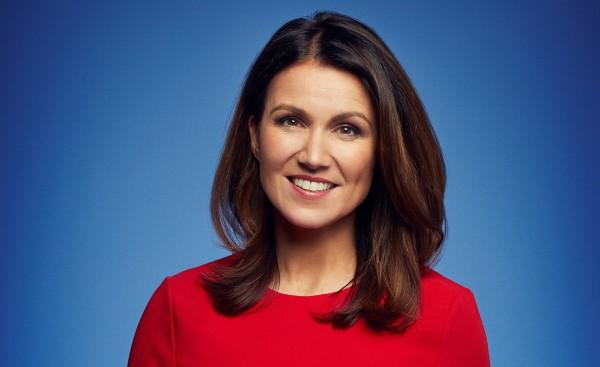
Susanna Reid: A Defining Voice in British Television Amid Headlines and Cultural Debate
Introduction: A Presenter at the Center of Conversation
Susanna Reid has long been a familiar face on British morning television, known for her composed delivery, sharp interviewing style, and ability to navigate both light entertainment and serious debate. In recent days, however, her presence has once again moved beyond routine broadcasting into the center of public discussion—highlighting not just her role as a presenter, but her influence as a cultural commentator.
From teasing a potential appearance on a major reality series to addressing controversial remarks made on primetime television, Reid’s latest on-air moments illustrate how modern broadcasters are increasingly shaping the tone of public discourse.
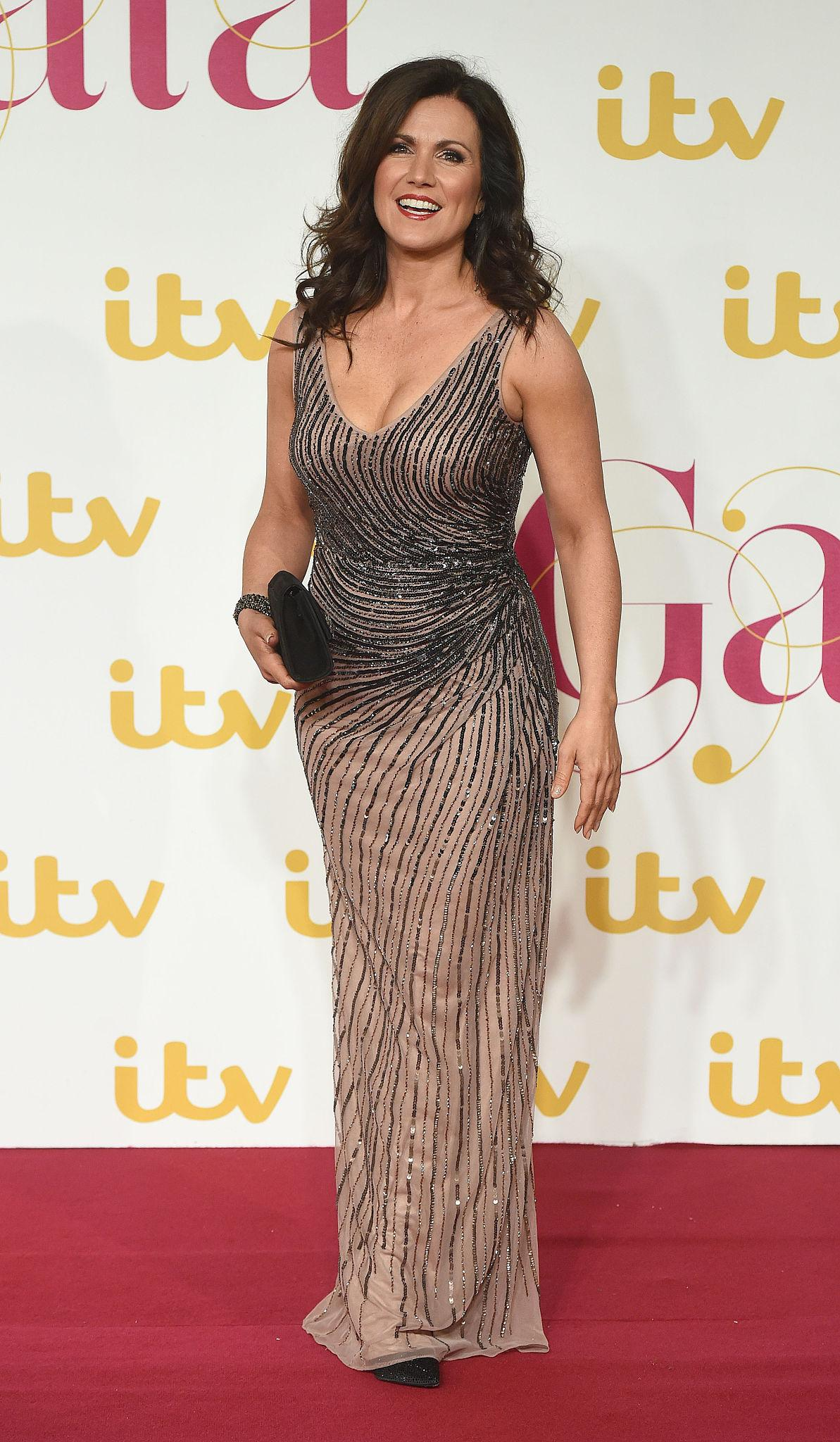
The Reality TV Question: A Strategic Silence
During a recent episode of Good Morning Britain, Reid returned from her Easter break to face questions that quickly shifted from news coverage to her own potential career moves.
The speculation centered on the second season of The Traitors, a high-profile BBC reality format that blends strategy, deception, and celebrity participation. When asked directly by co-host Ed Balls whether she would take part, Reid avoided a definitive answer.
“I’m neither ruling myself out or ruling myself in, I’m going to hokey cokey with that,” she said, maintaining a tone that was both playful and deliberately ambiguous.
Pressed further, she reiterated: “I am neither confirming or denying,” before adding a line that has since fueled speculation: “You will found out when it’s on air.”
This calculated ambiguity reflects a broader media dynamic. In an era where audience anticipation drives engagement, withholding confirmation can be as impactful as making an announcement. Reid’s approach effectively turned a casual studio exchange into a trending entertainment story.
Industry Context: The Growing Influence of Celebrity Traitors
The renewed interest in Reid’s potential participation comes at a time when The Traitors franchise is expanding rapidly. The first celebrity edition attracted a diverse cast and strong audience engagement, with Alan Carr emerging as the winner and securing an £87,500 prize for charity.
The show’s format—built around deception, alliances, and psychological gameplay—has proven particularly suited to well-known personalities. Fellow presenter Kate Garraway, who previously appeared as a “Faithful,” publicly backed Reid as a strong candidate, suggesting she would excel at the investigative aspect of the game.
“She’d be sleuthing, wouldn’t she?” Garraway remarked, reinforcing the perception that Reid’s analytical style could translate effectively into reality television.
With additional seasons planned through 2029, the series represents a significant opportunity for broadcasters to blend traditional journalism personalities with entertainment formats—blurring the line between news authority and celebrity culture.
On-Air Commentary: Responding to Controversy
While speculation about her television future continues, Reid has also been actively engaged in addressing contentious issues during live broadcasts.
A recent segment revisited remarks made by David Haye on I’m A Celebrity South Africa, where his comments about women drew widespread criticism. During a group discussion on the show, Haye described his partner using language that sparked immediate backlash from fellow contestants.
When the clip was aired on Good Morning Britain, Reid responded with measured clarity.
“I love that Scarlett just sits there going, ‘You cannot say that’. He’s completely unfiltered,” she observed, referencing Scarlett Moffatt’s reaction in the camp.
Asked to interpret Haye’s remarks, Reid dismissed them succinctly: “I just don’t think it bears scrutiny.”
Her response, notably restrained yet firm, reflects a hallmark of her presenting style—balancing neutrality with clear editorial judgment. Rather than escalating the controversy, she reframed it as lacking substantive merit.
The Role of the Modern Broadcaster
Reid’s dual presence in both entertainment speculation and social commentary highlights a broader shift in television journalism. Presenters are no longer confined to delivering news; they are increasingly expected to interpret, contextualize, and respond in real time.
Her interaction with co-hosts, including Ed Balls and entertainment correspondent Richard Arnold, demonstrates the collaborative nature of modern broadcasting, where discussion segments often blend news analysis with personality-driven exchange.
This format places presenters like Reid in a unique position: they are both facilitators of conversation and active participants within it.
Cultural Impact: Where News Meets Entertainment
The convergence of Reid’s commentary on I’m A Celebrity South Africa and speculation about The Traitors underscores a broader cultural trend—the merging of news media and entertainment ecosystems.
Reality television, once considered separate from serious broadcasting, now intersects with mainstream journalism through shared personalities and overlapping audiences. Reid’s potential involvement in a show like The Traitors would further reinforce this shift.
At the same time, her response to controversial statements reflects the continued expectation that broadcasters uphold standards of accountability and critical thinking.
What Comes Next?
The immediate question remains unresolved: will Susanna Reid join Celebrity Traitors?
Her own words suggest that confirmation may come only when the programme airs, maintaining suspense while keeping audiences engaged. Meanwhile, the show’s expanding roster—reportedly including figures such as Michael Sheen and Danny Dyer—indicates that its second season is positioning itself as a major television event.
For Reid, participation would represent a notable evolution in her career, potentially introducing her to a new audience while testing her skills in a different format.
Conclusion: A Presenter Shaping the Narrative
Susanna Reid’s recent on-air moments illustrate the evolving role of television presenters in a media landscape defined by immediacy, crossover appeal, and audience interaction.
Whether deflecting questions about her own future or addressing controversial remarks with measured critique, she continues to operate at the intersection of journalism and entertainment. That balance—between authority and accessibility—remains central to her enduring relevance.
As speculation builds and public conversations continue, one thing is clear: Reid is not just reporting the story—she is part of it.


