Stephen Cloobeck Net Worth, Relationships, Age/Birthdate & Birthday
Overview of Stephen Cloobeck — net worth, relationships, age/birthdate, and birthday.
 loveness92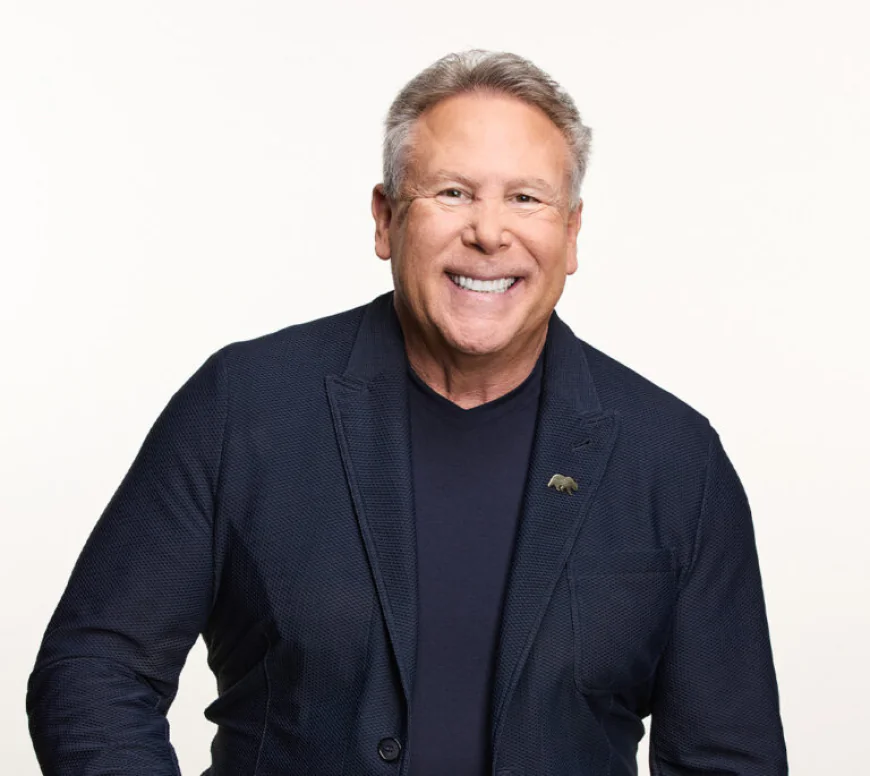
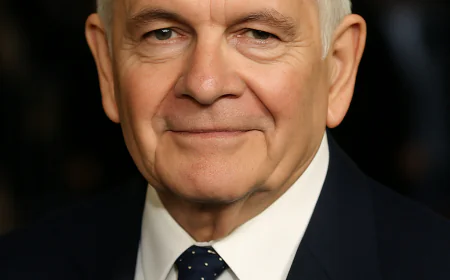
Stephen J. Cloobeck — From Timeshare Mogul to Political Contender
On October 26, 1961, Stephen J. Cloobeck was born — a date that marks the beginning of a journey from modest real-estate roots to high-stakes corporate success, philanthropic reach, and a budding political profile. Cloobeck’s birthday anchors a life defined by bold ambition, strategic pivots, and a flair for reinvention.
Seizing Opportunity: The Rise of a Hospitality Powerhouse
Cloobeck’s early ambitions led him to study psychobiology at Brandeis University, graduating in 1983. Yet instead of pursuing medicine or law, he found his calling in real estate — building shopping centers across Southern California during the 1980s.
The pivotal shift came when he turned to hospitality: in Las Vegas he developed the 21-story Polo Towers hotel — a precursor to what would become his signature empire.
In April 2007, Cloobeck acquired the publicly traded Sunterra Corporation and transformed it into Diamond Resorts International — a global timeshare and vacation-ownership company. Under his leadership, Diamond Resorts expanded massively, positioning Cloobeck as a dominant figure in the hospitality industry.
When Diamond Resorts sold in June 2016 for $2.2 billion to Apollo Global Management, Cloobeck — reportedly owning about 22% — walked away with what many sources place at roughly $500 million in cash. That windfall marked not just the financial payoff from his vision, but the beginning of a broader evolution: from hospitality entrepreneur to philanthropist, public figure, and political actor.
The Complexity of Wealth: Estimates, Debate, and Lifestyle
Estimating Cloobeck’s net worth is not straightforward. One well-cited figure places it at ~US$500 million — roughly correlating to his payout from the Diamond Resorts sale.
Yet some sources suggest his total holdings — including real estate, personal assets, and other investments — could push that number much higher. Indeed, Cloobeck himself has at times described his wealth in billionaire terms, claiming ownership of a $100 million Beverly Hills mansion (“Papillon”), a $45 million house in Cabo San Lucas, private jet ownership, and other high-value assets. Others, however, have flagged much lower valuations — underscoring that publicly available estimates must be taken with caution.
What is clear is that Cloobeck’s financial success allowed a lifestyle of significant luxury. His real estate holdings alone — from lavish mansions to vacation homes — reflect a comfortable (sometimes opulent) standard, paired with substantial liquidity and investment capability.
Behind the Headlines: Relationships, Controversies, and Personal Life
Cloobeck’s personal life has been as public and scrutinized as his career. He was married to his first wife, Heather, for 13 years. In 1997 he married Chantal Leduc — a Canadian model — and the couple had three children together. That marriage ended in divorce in 2018.
In 2020, Cloobeck entered a brief and highly publicized relationship with Stefanie Gurzanski, an OnlyFans model. The romance sparked headlines when Cloobeck reportedly lavished her with extravagant gifts — private-jet trips, luxury real estate access, watches, and more.
But the relationship soured quickly. Cloobeck accused Gurzanski of fraud and trespassing — alleging she misrepresented herself, took unauthorized photos inside his properties (including the $100 million “Papillon” mansion, his jet, and a hotel suite), and demanded substantial compensation in exchange for ending her OnlyFans account. Gurzanski responded by filing for a restraining order. According to Cloobeck, she sent him an apology letter — though the dispute remains a defining moment in his personal narrative.
This high-profile breakup added a controversial chapter to Cloobeck’s story. Yet, even amid legal and media drama, his alignment with political and philanthropic causes remained — reinforcing a dual identity as both a wealthy businessman and a public actor.
A New Chapter: From Resorts to Politics and Civic Vision
Since the sale of Diamond Resorts, Cloobeck has steadily broadened his focus — from real estate and hospitality, to philanthropy, civic engagement, and political ambition. He’s served as chairman of Brand USA — a U.S. nonprofit created to promote travel to the United States — representing American tourism on a global stage.
Cloobeck’s charitable involvement spans education, health, and community initiatives. He endowed a fellowship at Brandeis University and supported organizations including the Nevada Cancer Institute, the Brent Shapiro Foundation for Drug Awareness, and numerous other nonprofits focused on public health and social welfare.
In November 2024, he announced his candidacy for governor of California in 2026 — a move that showcased his desire to shift from business leadership to political stewardship. By 2025, his campaign was in full swing: one report noted that he had spent $1.4 million on TV and broadcast advertising across California.
Whether or not he succeeds, Cloobeck’s transition from boardrooms to ballot boxes underscores how entrepreneurial drive, public visibility, and strategic ambition can intersect — shaping a narrative that’s as much about influence and legacy as it is about profit.
Legacy in Motion: What Stephen Cloobeck’s Story Tells Us
Stephen Cloobeck’s path — from real-estate ventures to timeshare empire, from lavish lifestyles and lawsuits to civic advocacy and political bids — is a vivid illustration of reinvention. His birthday, October 26, 1961, reminds us of the origins of a character who repeatedly bet on himself.
His story suggests that in America’s high-stakes world of hospitality, real estate, and politics, success is rarely a straight line. It can involve bold acquisitions, controversial relationships, public scrutiny — and sometimes, a second act in a totally different arena.
For aspiring entrepreneurs, Cloobeck’s journey offers lessons in ambition, audacity, and the unpredictable interplay between wealth, power, and public life. For observers of business-turned-politics, he represents a modern archetype: the capitalist who trades boardroom control for civic ambition, wielding his fortune not just for profit — but for influence.