




Stellenbosch University: A Legacy of Excellence, Innovation, and Transformation
Introduction: A South African Academic Powerhouse
Stellenbosch University stands as one of Africa’s most prominent research institutions, combining a rich historical legacy with modern academic innovation. Located in the scenic town of Stellenbosch, the university has evolved into a globally recognized center for education, research, and social impact.
- Introduction: A South African Academic Powerhouse
- From Humble Beginnings to University Status
- Academic Structure and Research Impact
- A Multilingual and Diverse Learning Environment
- Campus Life and Student Experience
- Global Rankings and Academic Reputation
- Graduation Milestones and Academic Excellence (2026 Update)
- Stories of Resilience and Academic Journey
- Governance Challenges and Institutional Transformation
- Balancing Tradition and Transformation
- Conclusion: A University in Motion
With over a century of academic excellence, Stellenbosch University continues to shape intellectual discourse, produce influential graduates, and respond to contemporary societal challenges. Today, it is not only a hub of learning but also a dynamic institution navigating transformation, governance reforms, and global relevance.
From Humble Beginnings to University Status
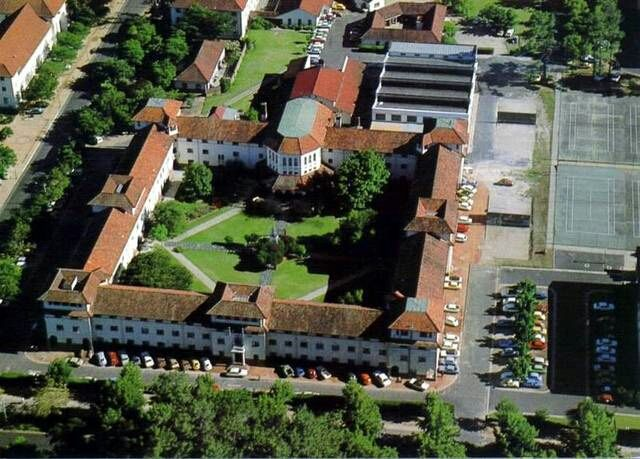
The roots of Stellenbosch University date back to the mid-19th century, beginning as the Stellenbosch Gymnasium in 1864. Initially a secondary institution, it gradually expanded its academic scope and infrastructure.


A series of key milestones defined its growth:
- 1866: Official opening of the Gymnasium
- 1876: Establishment of its first academic senate
- 1881: Transition into Stellenbosch College
- 1887: Renamed Victoria College
- 1918: Achieved full university status and became Stellenbosch University
This transformation was partly enabled by financial contributions from benefactor Jannie Marais, whose funding helped secure the institution’s university status under specific linguistic and academic conditions.

Over time, the institution expanded its academic offerings and research capabilities, eventually positioning itself among the top universities in Africa.
Academic Structure and Research Impact
Stellenbosch University today operates as a comprehensive research university with:
- 139 academic departments
- 10 faculties, including Engineering, Law, Medicine, Science, and Theology
- Programs ranging from undergraduate to doctoral levels
- Approximately 32,000 students across five campuses
The university has played a significant role in scientific advancement. One notable achievement includes designing and launching SUNSAT, Africa’s first microsatellite in 1999, marking a milestone in the continent’s space and engineering capabilities .
Its research ecosystem spans multiple disciplines, with strong contributions in health sciences, agriculture, engineering, and social sciences.



A Multilingual and Diverse Learning Environment
Historically rooted in Afrikaans, Stellenbosch University has undergone a significant linguistic and cultural transformation.
Today, it promotes multilingualism with instruction offered in:
- English
- Afrikaans
- Xhosa
The shift reflects a broader commitment to inclusivity and accessibility. By 2021, nearly half of students identified English as their home language, while Afrikaans speakers accounted for a slightly smaller share .
This evolution mirrors broader societal changes in South Africa, positioning the university as a space where diverse identities and perspectives converge.
Campus Life and Student Experience
Stellenbosch University provides a well-rounded campus experience, combining academic rigor with vibrant student life.
Facilities and Infrastructure
- Five campuses across the Western Cape
- Specialized facilities such as the Tygerberg medical campus and Saldanha military campus
- Advanced libraries and research centers
- Cultural spaces including the HB Thom Theatre and Conservatory
- The oldest university botanical garden in South Africa
Student Community
Students—known as “Maties”—engage in a wide range of activities, supported by:
- 34 residence halls
- Commuter student organizations
- Sports programs covering over 30 disciplines
- Campus media, including MFM radio and student publications
The university’s structure fosters both academic collaboration and social integration, creating a strong sense of belonging among students.
Global Rankings and Academic Reputation
Stellenbosch University consistently ranks among the top institutions globally and within Africa.
Key highlights include:
- Ranked within 301–350 globally by Times Higher Education (2024)
- Ranked among the top three universities in Africa
- Top 100 globally in fields such as development studies, theology, and agriculture
- Strong performance in law, politics, and geography
Its business school holds triple international accreditation and ranks among the top executive education providers globally, reinforcing its international academic standing.
Graduation Milestones and Academic Excellence (2026 Update)
Recent developments underscore the university’s continued academic output and societal contribution.
During the March 2026 graduation series:
- Over 3,600 students graduated in one week
- More than 10,160 qualifications were awarded for the 2025 academic year
- 349 PhDs and 1,650 master’s degrees were conferred
The university also awarded honorary doctorates to distinguished individuals, including:
- Abdulrazak Gurnah, Nobel Prize-winning author
- Dr Olive Shisana, public health leader
- Dr Tjaart van der Walt, digital banking innovator
These recognitions reflect the institution’s commitment to academic excellence and societal impact.
Stories of Resilience and Academic Journey
Beyond statistics, Stellenbosch University’s impact is reflected in individual stories.
One example is a mathematics PhD graduate who overcame personal tragedy to complete her research. Her journey highlights the institution’s supportive academic environment and emphasis on perseverance.
As she described, the university experience taught her to navigate both academic and personal challenges while maintaining resilience and focus .
Such narratives reinforce the university’s role not only as an academic institution but also as a space for personal growth.
Governance Challenges and Institutional Transformation
In recent years, Stellenbosch University has faced significant governance and cultural challenges, particularly surrounding the Wilgenhof residence controversy.
Key developments include:
- Closure and restructuring of the residence following investigations
- Legal disputes involving alumni and stakeholders
- Leadership tensions and calls for accountability
- The decision by council chair Nicky Newton-King to step down in 2026 amid governance concerns
These events have sparked broader discussions about:
- Institutional transparency
- Transformation and inclusivity
- Residence culture and historical legacy
The university’s leadership, under Vice-Chancellor Professor Deresh Ramjugernath, is now focused on rebuilding trust and guiding the institution through a period of renewal.
Balancing Tradition and Transformation
Stellenbosch University occupies a unique position in South Africa’s higher education landscape. It is both:
- A historically significant institution with deep cultural roots
- A modern university adapting to global academic and social expectations
Its ongoing transformation includes:
- Expanding linguistic inclusivity
- Addressing historical inequalities
- Strengthening governance structures
- Enhancing global academic partnerships
This dual identity presents both challenges and opportunities as the university seeks to remain relevant in a rapidly changing world.
Conclusion: A University in Motion
Stellenbosch University is not a static institution—it is continuously evolving. From its origins as a small gymnasium to its current status as a leading global university, it has consistently adapted to shifting educational, cultural, and societal demands.
Today, it stands at a critical juncture:
- Maintaining academic excellence
- Addressing governance challenges
- Expanding inclusivity and transformation
- Preparing graduates for a complex global future
Its trajectory suggests that while the university’s legacy is firmly established, its most important chapter may still be unfolding.