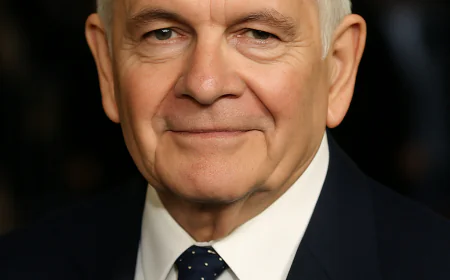
Stan Collymore Net Worth, Relationships, Age/Birthdate & Birthday
Overview of Stan Collymore — net worth, relationships, age/birthdate, and birthday.
 loveness92
Stan Collymore: Triumphs, Turbulence, and the Man Beyond the Pitch
Standing nearly two metres tall and arriving from humble beginnings in Staffordshire, Stan Collymore became one of English football’s most talented — and divisive — characters. Born on January 22, 1971, Collymore’s journey through the highs of Premier League notoriety and the strains of personal demons illustrate a story that is as compelling off the pitch as it was on it.
The Rise of a “What-If” Prodigy
Stanley Victor Collymore began his career far from the limelight. After being released by youth spells at clubs such as Walsall and Wolverhampton Wanderers, he joined non-league side Stafford Rangers. His performances there caught the eye of scouts, and in 1991 he signed for Crystal Palace.
He later moved to Southend United, where his scoring touch — 15 league goals in one season — reignited his career and brought him to the attention of Nottingham Forest in 1993.
At Forest, Collymore’s career truly exploded. His potency and physical presence made him one of the most feared strikers in English football; his performances earned him a record-breaking transfer to Liverpool FC in 1995 — a British transfer record at the time at £8.5 million.
At Liverpool, paired with a young Robbie Fowler, Collymore delivered moments of genuine magic — none more famous than his last-minute winner in a 4–3 thriller against Newcastle United in April 1996. That strike remains among the most iconic in Premier League history.
Yet this bright spell masked underlying fragility: despite flashes of brilliance, inconsistency and off-field issues often disrupted his potent promise.
When Potential Clashed with Pressure
After two seasons at Liverpool, Collymore moved to his boyhood club Aston Villa in 1997 for £7 million. The hopes were high, but reality quickly proved harsh. While at Forest and Liverpool he had been a goal-scoring threat, at Villa he struggled — failing to recapture his earlier form and managing only a handful of notable performances.
The downward spiral continued. A brief loan to Fulham FC, followed by a move to Leicester City FC, did little to reignite his career. Newspaper reports at the time depicted a player increasingly worn down by external pressures, mental-health struggles, and perhaps his own mercurial tendencies.
After a final, short stint abroad with Spanish side Real Oviedo, Collymore walked away from professional football in 2001.
Life After the Final Whistle: Voice, Advocacy, and Reflection
Retirement didn’t dim Collymore’s public profile. He transitioned into punditry and commentary — working for radio and television — and established himself as a candid, outspoken voice on football, society, and mental health.
Collymore has spoken openly about clinical depression, stress, and a borderline personality disorder diagnosis — issues that affected him even during his playing days. His willingness to be vulnerable has helped destigmatize mental health struggles among athletes and public figures.
His journey embodies a candid duality: tremendous height but deep vulnerability, explosive talent but fragile stability. Few footballers have paired such physical promise with such openness about inner demons.
The Elusive Question: What Is Stan Collymore’s Net Worth?
Estimating Collymore’s net worth is challenging, partly because public records diverge widely. According to one source, his net worth is roughly US$5 million, citing income from punditry, media, and his post-retirement ventures.
Another source — less conservative and more speculative — values him at as much as US$35 million, though those figures may inflate earnings and factor in assets whose value and ownership are unverified.
Given the variance, the more modest estimate appears more credible — especially as Collymore has never publicly verified major real-estate purchases or lavish spending typical of ultra-wealthy ex-athletes.
Personal Life, Relationships and the Battle for Inner Peace
Collymore’s personal life has often mirrored the turbulence of his playing career. He was married to Estelle Williams, but the union ended in divorce in 2007.
In the late 1990s, he was linked with media personality Ulrika Jonsson. Their relationship made headlines — and not for love, but for an infamous incident in a Paris bar in 1998 which Collymore publicly apologized for.
Since then, Collymore has kept his private life relatively out of the tabloids. He has no publicly confirmed children, and tends to maintain a low-key lifestyle, much removed from the glitz surrounding many of his contemporaries.
More importantly, Collymore has embraced a different kind of legacy: using his platform to raise awareness of mental health, speaking about his own vulnerabilities, and challenging stereotypes. He is admired not just as a former Premier League talent, but as a man fighting to balance honesty, recovery, and public scrutiny.
Why Stan Collymore’s Story Still Matters
Collymore’s is not a conventional “from rags to riches” fairy tale — it’s messier, more human. He achieved what many dream of: Premier League stardom, headline-making transfers, a chance on the biggest stage. But he also wrestled with personal demons, career inconsistencies, and the pressures of fame.
Today, his public commentary and advocacy highlight a different kind of strength — resilience. In a sporting world that prizes physical power and near-peerless performance, Collymore shows that courage can also mean being vulnerable, messy, and real.
His journey remains instructive: a reminder that success in life — however defined — is not only about goals or trophies, but often about confronting our inner struggles, learning, and trying again.