

South Africa National Rugby Union Team: Power, Pressure, and a New Chapter
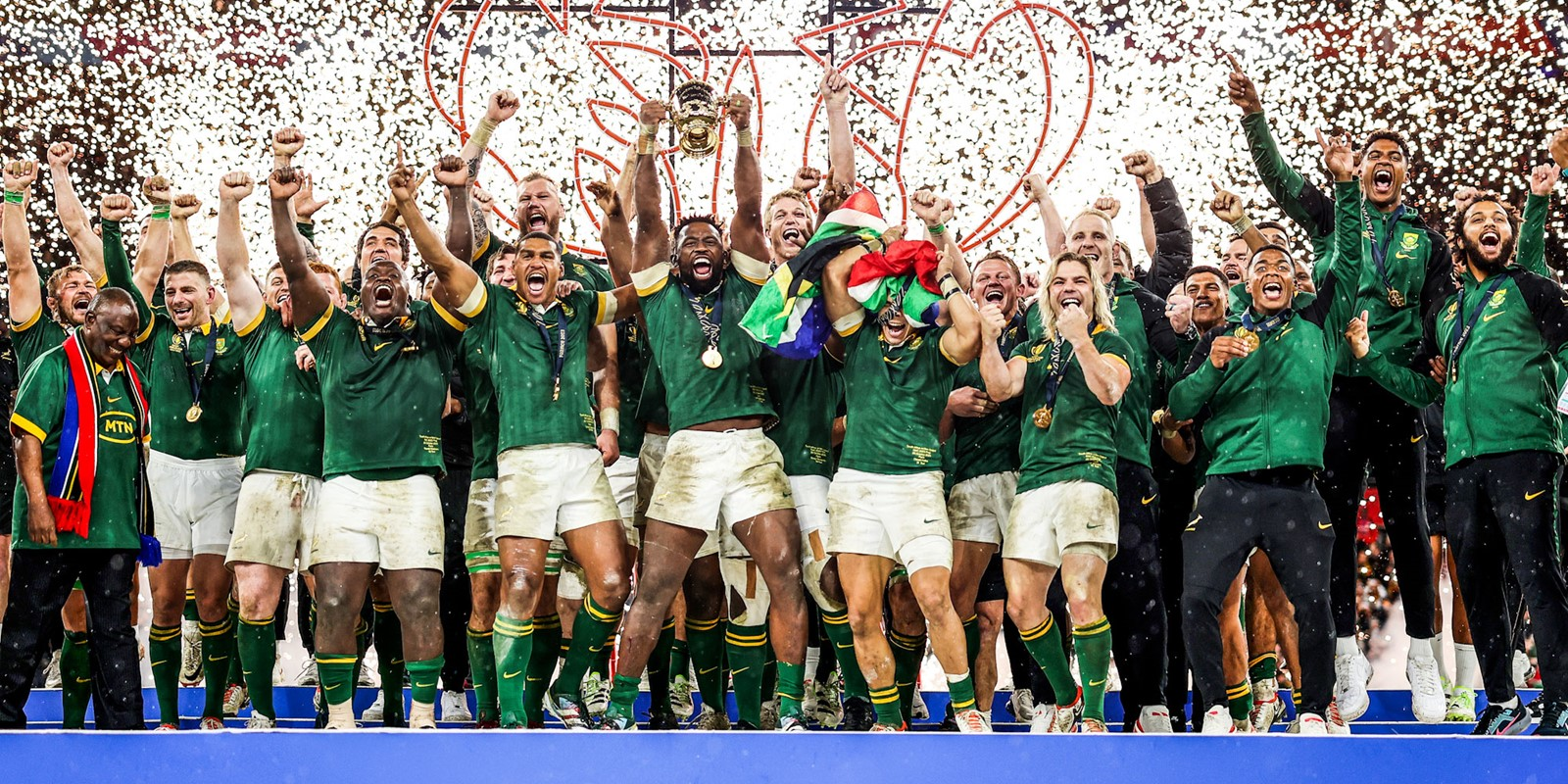
The South Africa national rugby union team—widely known as the Springboks—remain one of the most formidable forces in global rugby. Built on a foundation of physical dominance, tactical discipline, and deep national pride, the team has consistently set benchmarks in the sport.
Yet, beneath the surface of their continued success lies a period of transition. Recent club-level disappointments, emerging player performances, and looming leadership questions are shaping a new phase for South African rugby. What is unfolding now is not decline, but recalibration.
A Demanding Season Ahead
The Springboks are preparing for an unusually intense international campaign. The 2026 season is scheduled to include 14 matches, beginning with a Nations Cup opener against England on July 4 at Ellis Park and continuing almost uninterrupted through November.
This compressed calendar introduces several strategic implications:
- Player workload management becomes critical
- Squad depth will be tested across positions
- Rotation policies and injury recovery timelines must be optimized
At the same time, an unexpected development has worked in the Springboks’ favor. Early exits by South African franchises—Stormers, Bulls, and Sharks—from European competitions have reduced travel demands and allowed players to conserve energy ahead of international fixtures.

Rather than a setback, these exits may ultimately serve as a conditioning advantage.
Coaching Dynamics: Stability vs Succession
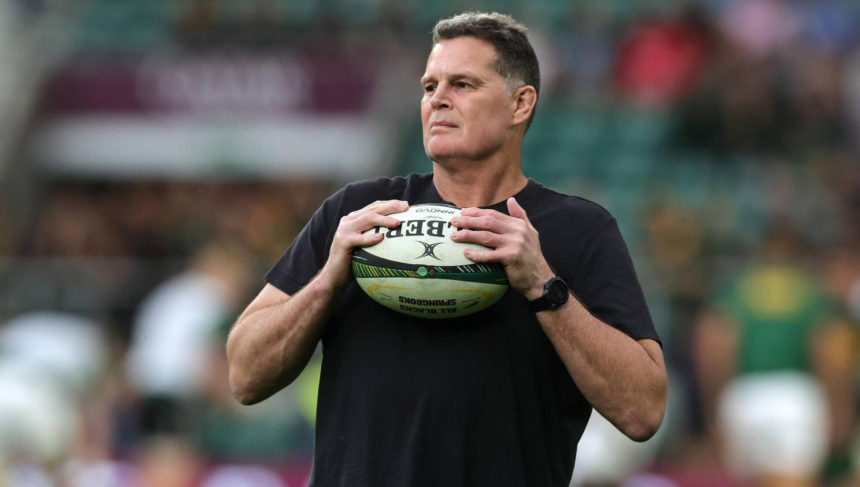
The Springboks’ current success has been closely tied to the leadership of Rassie Erasmus. However, discussions around a potential succession plan are gaining traction.
One prominent figure in these conversations is Duane Vermeulen—a two-time Rugby World Cup winner and former number eight known for his leadership and tactical awareness.
Key factors positioning Vermeulen as a candidate include:

- His transition into a coaching role within the Springbok system
- Strong credibility among current players
- Experience in high-pressure international tournaments
- Ability to blend continuity with evolving strategies
If a transition occurs, it is likely to be structured rather than abrupt, ensuring stability in a high-performance environment.
Emerging Signals from Club Rugby
Despite the collective disappointment of South African teams in European competitions, individual performances provided valuable insights for national selectors.
Sacha Feinberg-Mngomezulu: Creativity Reignited
After a quiet run in the United Rugby Championship, his impact off the bench suggests:
- Effective utilization as a “finisher” rather than a starter
- Renewed confidence and attacking creativity
- Strong contention for future national selection
Cobus Reinach: Experience Still Matters
Cobus Reinach returned from a two-month layoff following groin surgery and immediately impressed.
At 36, his performance reinforced a key point:
experience remains a competitive asset.
Despite the rise of younger scrum-halves like Haashim Pead and Imad Khan, Reinach’s:
- Game management
- Tactical awareness
- Composure under pressure
keep him firmly in the selection conversation, particularly with a World Cup approaching.
Ruan Vermaak: Solving the Lock Depth Crisis
Ruan Vermaak responded emphatically:
- Relentless ball carrying
- High defensive workload
- Consistent breakdown presence
His playing style—often described as “non-flashy”—aligns with the Springbok tradition of physical, efficient forward play. That reliability keeps him on the national radar.
Thomas du Toit: Dominance in the Tight Exchanges
Thomas du Toit, known as “The Tank,” delivered a decisive impact off the bench for Bath against Saracens.
His contribution was not about open-field play but rather:
- Transforming the set-piece scrum
- Generating forward momentum
- Shifting the balance of the match
In a system where scrummaging remains central, such performances significantly enhance his value to the Springboks.
Johan Grobbelaar: Defensive Consistency
Johan Grobbelaar recorded 26 tackles in a single match, the highest among players in that fixture.
His performance profile includes:
- Near-perfect tackle completion
- Reliable line-out execution
- Strong ball-carrying contributions
With competition from hybrid forwards, Grobbelaar’s specialization at hooker ensures he remains a critical depth option behind Malcolm Marx.
Tactical Identity: Why the Springboks Remain Elite
The Springboks’ sustained success is not accidental. It is built on a defined tactical identity:
- Forward dominance: Winning collisions and set pieces
- Defensive structure: High-pressure, line-speed defense
- Strategic kicking: Territory control over possession excess
- Bench impact: “Bomb squad” substitutions altering match dynamics
Even as new players emerge, these principles remain unchanged, providing continuity across generations.
Global Context: Coaching Movements Across Rugby
South Africa is not alone in navigating leadership questions. Across major rugby nations:
- Shaun Edwards is linked with England
- Franco Smith is associated with Scotland
- Ronan O’Gara is a contender for Ireland
- Eddie Jones remains a high-risk option for Italy
This broader landscape indicates a period of recalibration across international rugby, where coaching philosophy is becoming as critical as player talent.
What Comes Next for the Springboks?
Several key trends are likely to define the Springboks’ immediate future:
1. Squad Rotation Will Intensify
A 14-match season requires strategic player management to avoid fatigue and injuries.
2. Youth Integration Will Continue
Emerging talents will increasingly challenge established veterans for selection.
3. Tactical Evolution Without Identity Loss
While systems may evolve, the core Springbok blueprint—physicality and discipline—will remain intact.
4. Leadership Transition Planning
Whether immediate or gradual, succession planning will shape long-term stability.
Conclusion: Transition Without Weakness
The current phase of the Springboks is not one of decline, but of controlled transition. While club-level setbacks highlighted structural challenges, they also revealed depth, resilience, and individual brilliance.
With a demanding schedule ahead, emerging players stepping forward, and leadership discussions underway, the South Africa national rugby union team stands at a strategic inflection point.
The key question is not whether they can remain competitive—but how effectively they can evolve while preserving the identity that has made them one of rugby’s most dominant forces.