

Sombr’s Dublin Moment: A Cross-Generational Tribute That Resonated Beyond the Stage
A St. Patrick’s Eve Performance That Carried Emotional Weight
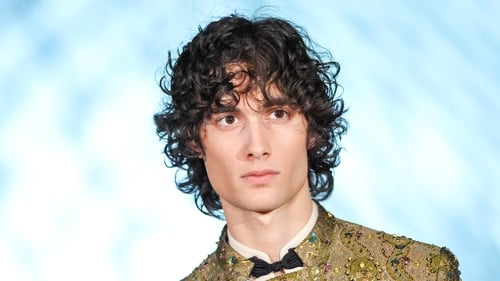
On March 16, 2026, in Dublin’s 3Arena, a routine tour stop evolved into a culturally charged musical moment. Rising pop artist sombr, just 20 years old, delivered a performance that bridged decades of music history by inviting Noel Hogan and Mike Hogan—founding members of The Cranberries—onto the stage.
- A St. Patrick’s Eve Performance That Carried Emotional Weight
- The Legacy Behind the Collaboration
- A Rising Star Navigating Global Attention
- Audience Reaction: A Shared Cultural Experience
- Beyond Music: Symbolism and Cultural Positioning
- Industry Implications: Collaboration as Strategy
- What Comes Next for Sombr?
- Conclusion: A Performance That Bridged Eras
The collaboration centered on a live rendition of the band’s 1993 hit Linger, a track that reached No. 8 on the Billboard Hot 100 and remains one of the most recognizable songs of its era.
Dressed in a bright green blouse with ruffled cuffs, sombr leaned into the symbolism of the moment—St. Patrick’s Day eve in Ireland—while delivering the song’s signature refrain:
“You know I’m such a fool for you/ You got me wrapped around your finger/ Do you have to let it linger?/ Do you have to, do you have to, do you have to let it linger?”
As Noel Hogan’s distinctive guitar line carried the melody, the performance became less of a cover and more of a tribute—one that acknowledged both musical heritage and emotional continuity.
The Legacy Behind the Collaboration
To understand the weight of this moment, it is necessary to revisit the trajectory of The Cranberries. Formed in Limerick, Ireland in 1989, the band rose to global prominence throughout the 1990s. After a hiatus beginning in 2003, they reunited in 2009 and released their sixth studio album, Roses, in 2012.
However, their journey was marked by tragedy. In January 2018, lead singer Dolores O’Riordan died at the age of 46. Her passing led to the band’s permanent dissolution later that year.


Against that backdrop, the Dublin performance carried a deeper resonance. It was not merely a nostalgic callback—it functioned as a living extension of a legacy that continues to influence new generations of artists, including sombr himself.
A Rising Star Navigating Global Attention
While the Dublin performance highlighted sombr’s artistic sensibilities, his recent trajectory reflects a broader narrative of rapid ascent and calculated stagecraft.
Earlier in 2026, his single Back to Friends reached No. 1 on Billboard’s Pop Airplay chart, signaling his growing commercial presence. At the same time, he has demonstrated a willingness to blur the lines between performance and spectacle.
At the BRIT Awards 2026, sombr drew attention during a performance of Undressed when a man rushed the stage and pushed him off a platform. The moment, initially perceived as a security breach, was later confirmed to be staged.


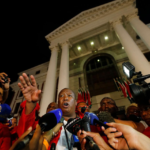
The incident underscores a broader trend in modern pop performance: the integration of controlled disruption to generate engagement and conversation.
Audience Reaction: A Shared Cultural Experience
The Dublin collaboration was met with immediate and intense audience response. Fans described the moment as transformative, with one attendee writing:
“was probably the best thing I have ever experienced”
Another added:
“I think he earned his Irish passport.”
These reactions illustrate the effectiveness of cross-generational collaborations in live music. By merging contemporary pop with legacy acts, artists can create shared experiences that resonate across age groups and musical preferences.
Beyond Music: Symbolism and Cultural Positioning
The performance also carried symbolic significance. By choosing Dublin, timing the collaboration with St. Patrick’s Day, and performing “Linger” alongside its original creators, sombr positioned himself within a broader cultural narrative.
His affinity for UK and Irish music—citing influences such as The Beatles, David Bowie, Elton John, The Stone Roses, The Verve, and Oasis—reinforces this positioning. He has publicly stated that he believes British acts “beat” American artists in terms of producing “iconic acts,” highlighting a deliberate alignment with that musical tradition.
Even lighter moments during the concert, such as attempting the Guinness “split the G” challenge, contributed to this localized cultural immersion.
Industry Implications: Collaboration as Strategy
From an industry perspective, the Dublin moment reflects several emerging trends:
1. Legacy Integration
Modern artists increasingly collaborate with legacy acts to access established emotional and cultural capital.
2. Event-Based Virality
Performances are designed not just for attendees but for digital circulation—short clips, fan reactions, and social amplification.
3. Narrative-Driven Branding
Artists like sombr are building narratives that extend beyond music, incorporating controversy, homage, and cultural alignment.
What Comes Next for Sombr?
At 20, sombr is navigating a critical phase in his career—balancing authenticity, commercial success, and strategic visibility.
His ability to move between intimate tributes and high-concept performances suggests a long-term positioning strategy rather than isolated moments. The Dublin collaboration, in particular, demonstrates a capacity to engage with music history while maintaining contemporary relevance.
If sustained, this approach could position him not just as a chart-topping artist, but as a curator of musical continuity—an increasingly valuable role in a fragmented industry.
Conclusion: A Performance That Bridged Eras
The Dublin performance was more than a highlight of a tour—it was a carefully constructed intersection of legacy and modernity.
By sharing the stage with Noel and Mike Hogan and revisiting “Linger,” sombr created a moment that honored the past while reinforcing his place in the present. In doing so, he demonstrated that even in an industry driven by novelty, enduring impact often comes from connection—between artists, eras, and audiences.