


Simon Bohr Case: Verdict, Controversy, and the Questions That Remain
A Case That Continues to Divide Opinion
The name Simon Bohr has become central to one of Germany’s most closely followed criminal cases in recent months. A police superintendent whose death in the line of duty shocked the region of Saarland, Bohr’s case has evolved from a tragic incident into a broader national conversation about justice, accountability, and the legal interpretation of violent crime.
- A Case That Continues to Divide Opinion
- The Incident That Sparked the Case
- The Trial Begins: Charges and Early Developments
- Understanding the Legal Framework: Why Intent Matters
- The Verdict: Not Murder, but a Severe Conviction
- Immediate Reactions: A Divided Response
- Political and Social Implications
- A Case with Historical Weight
- What Happens Next: The Appeal and Future Developments
- Broader Reflection: Law, Expectation, and Reality
- Conclusion: An Ongoing Story
On April 1, 2026, the trial at the Saarbrücken Regional Court reached a decisive moment. What many expected to be a clear-cut murder conviction instead resulted in a complex and controversial verdict—one that has triggered mixed reactions across legal, political, and public spheres.
This is not just a story about a single court decision. It is a narrative about law, interpretation, and the tension between expectation and legal reality.



The Incident That Sparked the Case
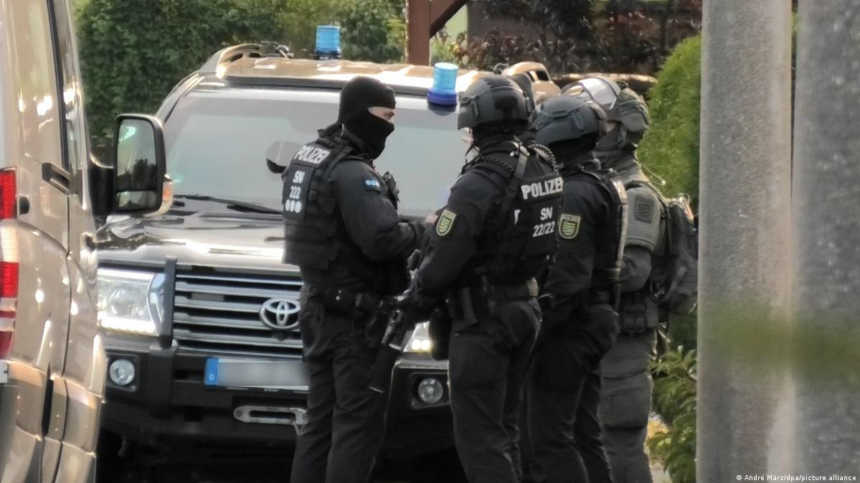
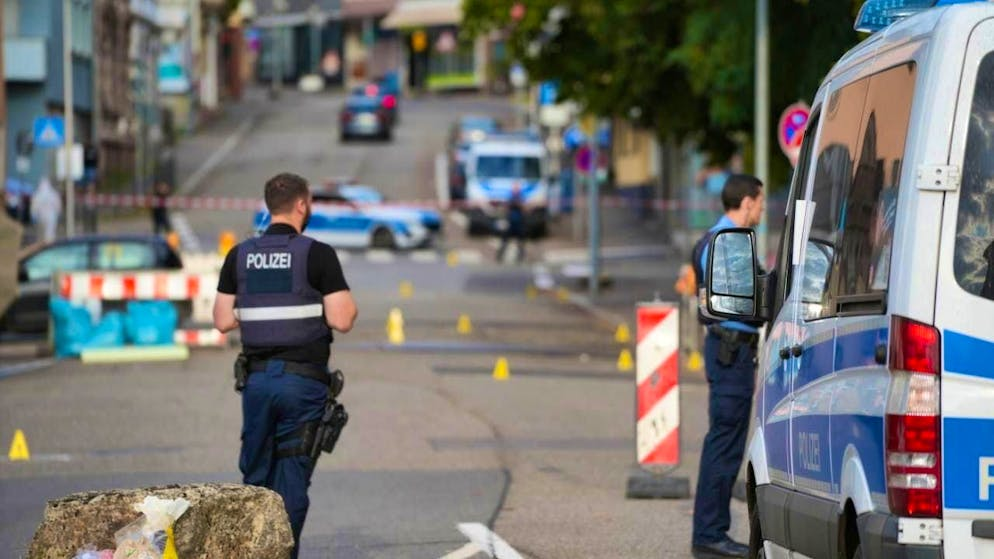
The events that led to the trial trace back to August 2025, when fatal gunshots were fired in Völklingen, resulting in the death of police superintendent Simon Bohr.
Authorities described the incident as a serious and targeted act of violence against a law enforcement officer. Early reports suggested that the accused, identified as a young man later revealed in court proceedings, had fired shots that struck vulnerable areas of the officer’s body.



The gravity of the act led prosecutors to pursue murder charges, arguing that the nature of the attack indicated intent and deliberation. The case quickly gained national attention due to its implications for police safety and criminal justice standards.
The Trial Begins: Charges and Early Developments
The trial formally began on February 11, 2026, at the Saarbrücken Regional Court. At the center of the proceedings was the accused, a 19-year-old identified in reports as Ahmet G.
Key developments during the early phase included:
- The prosecution asserting that the shots were deliberate and targeted
- The defense challenging the interpretation of intent
- A confession by the accused, which added complexity rather than clarity to the case
Despite the admission of involvement, the legal debate shifted toward intent, a critical factor in distinguishing between murder and other serious crimes under German law.
Understanding the Legal Framework: Why Intent Matters
Before examining the verdict, it is important to understand what the legal process aimed to determine.



In German criminal law, a murder conviction requires specific criteria beyond the act itself. These include elements such as:
- Premeditation
- Cruelty or particular severity
- Intent to kill under qualifying circumstances
The trial therefore focused not only on what happened, but on how and why it happened.
This distinction ultimately became decisive.
The Verdict: Not Murder, but a Severe Conviction
On April 1, 2026, the court delivered its verdict.
Instead of convicting the accused of murder, the judges ruled that he was guilty of:
“particularly severe robbery”
This decision marked a significant departure from the prosecution’s original charge.
Key outcomes of the verdict:
- The accused was acquitted of murder
- Conviction was issued for particularly serious robbery
- The court determined that the legal threshold for murder had not been met
The ruling immediately drew attention because it acknowledged the seriousness of the crime while rejecting the classification many expected.
Immediate Reactions: A Divided Response
The verdict did not settle the matter—it intensified the debate.
Public and institutional reactions included:
- Mixed public response, ranging from support for judicial independence to criticism of perceived leniency
- Statements from officials emphasizing that the ruling must be respected within the rule of law
- Strong reactions from legal observers questioning the interpretation of intent
Notably, the public prosecutor’s office announced plans to appeal, signaling that the legal process is far from over.
Political and Social Implications
The case has extended beyond the courtroom into broader discussions about:
1. Protection of Law Enforcement
The death of a police officer has renewed scrutiny on the risks faced by officers and whether existing legal frameworks adequately address violence against them.
2. Public Confidence in the Justice System
When a verdict diverges from public expectation, it often raises questions about fairness and transparency.
3. Legal Definitions of Violence
The distinction between murder and other severe crimes has become a focal point, highlighting how legal definitions shape outcomes.
A Case with Historical Weight
While the current case defines the modern relevance of the name Simon Bohr, it is worth noting that the name itself also appears in historical records unrelated to the present 사건.
One such historical figure, Simon Bohr (1863–1939), lived in the United States and is buried in Pennsylvania. He was married to Maggie Mease and had several children, including Peter H. Bohr and John David Bohr Sr. This historical record underscores that the current case is not about a widely known public figure, but about a contemporary individual whose name has become associated with a significant legal event.
What Happens Next: The Appeal and Future Developments
The prosecution’s decision to appeal introduces a new phase in the case.
The appeal process aims to:
- Re-evaluate the legal classification of the crime
- Challenge the court’s interpretation of intent
- Potentially seek a revised conviction
If the appeal proceeds, higher courts will reassess whether the evidence supports a murder conviction under German law.
Broader Reflection: Law, Expectation, and Reality
The Simon Bohr case illustrates a recurring tension in criminal justice systems worldwide:
- Public expectation often seeks clear moral outcomes
- Legal systems operate within structured definitions and evidentiary standards
This gap can produce outcomes that are legally consistent yet socially controversial.
In this instance, the court acknowledged the severity of the act but concluded that the legal criteria for murder were not satisfied—a distinction that continues to fuel debate.
Conclusion: An Ongoing Story
The case surrounding Simon Bohr remains unresolved in the broader sense. While a verdict has been delivered, its implications continue to unfold.
With an appeal pending and public discourse still active, the case stands as a defining example of how complex legal systems handle violent crime—and how those decisions resonate far beyond the courtroom.
The final chapter has not yet been written.