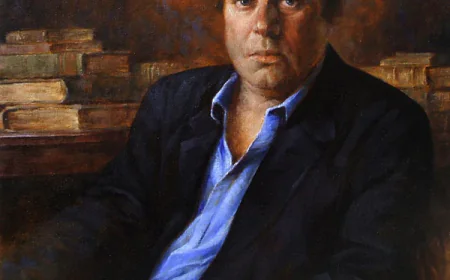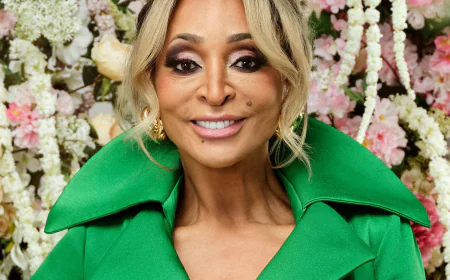
Silas Chou Net Worth, Relationships, Age/Birthdate & Birthday
Overview of Silas Chou — net worth, relationships, age/birthdate, and birthday.
 loveness92
Silas Chou — From Hong Kong Knitwear Heir to Global Fashion Power Broker
Few figures in fashion investment have reshaped global luxury and lifestyle brands quite like Silas Chou. Born into textile industry royalty, Chou transformed family legacy into a sprawling empire that helped define the style of entire generations. His journey — rooted in Hong Kong but spanning continents — offers a compelling story of foresight, bold risk-taking, and enduring influence.
A Legacy Begins: Birthdate, Family Roots, and Early Foundations
Silas Chou was born in September 1946 in British Hong Kong. Growing up in a family immersed in the textiles business, he inherited not just wealth, but a deep understanding of fabric, supply chains, and manufacturing. His father, Chao Kuang-piu, founded South Ocean Knitters — one of Hong Kong’s largest knitwear manufacturers and exporters.
That background laid the groundwork for Chou's later ventures. By the late 1970s, he was not just continuing a family tradition — he was preparing to expand it. In 1978, Chou and his father co-founded Xiang Zhou Woollen Mills in the Zhuhai Special Economic Zone, signaling the start of Silas’s formalization of the family’s textile ambitions into a corporate enterprise.
Chou also sharpened his business acumen through education — he attended Wharton School of the University of Pennsylvania.
Betting Big: From Knitwear to Global Fashion Icons
Chou could have easily remained a behind-the-scenes figure in textile manufacturing. Instead, he saw opportunity in transforming raw manufacturing power into global fashion brands.
In 1989, Chou joined partnership with Canadian businessman Lawrence Stroll to found Sportswear Holdings. Their first major move: acquiring a majority stake in a little-known label at the time, Tommy Hilfiger. Under Chou’s direction as largest shareholder and chairman, the brand soared — benefiting from an emerging wave of youth-oriented, lifestyle-driven fashion.
But Chou didn’t stop there. In 2003, with Stroll, he bought a majority share in Michael Kors for $100 million. That move ultimately paid off massively: the label went public in 2011, positioning itself as a global luxury-accessible brand — a model emulated by many in the years to follow.
Beyond these crown jewels, Chou’s investment vision extended to other fashion names — including Karl Lagerfeld and Pepe Jeans — laying out a diversified portfolio spanning mass-market, premium, and luxury fashion.
Exiting at the Right Time: Sales, Gains, and Strategic Withdrawals
True to his investor’s instincts, Chou didn’t cling to his stakes indefinitely. In 2006, he sold his shareholding in Tommy Hilfiger to the UK private equity firm Apax Partners — reportedly for around US$1.6 billion.
A similar strategy played out with Michael Kors: Chou and his family eventually sold their final share in 2018. As of 2017, his wealth — built on these timely exits and sustained investments — was already estimated at about USD 2.7 billion.
Wealth Reassessed: A Modern Estimate of Net Worth
According to Forbes' 2025 listing of Hong Kong’s 50 richest, the wealth of “Silas Chou & family” is estimated at approximately US$2.9 billion.
That figure reflects not only the gains from his past stakes, but also continuing structural investments in fashion and textiles — underscoring the durable nature of his financial empire even after major divestments.
More Than Business: Family, Next Generation, and Influence
Though intensely private, Chou’s personal life intertwines with his business legacy. He is married (to a spouse reported in some sources as Celia Chou) and has children (including daughters Veronica Chou and Vivian Chou) who have continued his fashion legacy.
Veronica, for instance, has taken a visible role — leading what was the family’s China fashion distribution business, rebranded under Iconix China Group and later under an independent sustainable-fashion venture. Through her, the Chou family’s influence remains deeply embedded in global fashion — connecting manufacturing origins to modern consumer trends.
Chou’s business network and mentorship — especially via smaller investments and involvement with venture firms like Torch Capital — suggest that his influence extends beyond legacy brands: he remains a behind-the-scenes player shaping what’s next in fashion and consumer retail.
What Silas Chou’s Story Teaches About Strategic Vision
Silas Chou’s journey underscores a rare combination: grounded understanding of manufacturing, global market awareness, and the courage to pivot when timing is right. He didn’t merely inherit a business — he reimagined it. By turning textile heritage into globally recognized lifestyle brands — and exiting at peak value — he demonstrated masterful timing and vision.
His trajectory also highlights how generational wealth can evolve effectively: instead of preserving capital quietly, he amplified it, then passed on a dynamic, modern, and diversified fashion empire to the next generation.
For anyone studying entrepreneurship, investment strategy, or the history of global fashion, Chou’s path offers a powerful case study in long-term thinking, timing, and reinvention.