



Shannon Elizabeth: From Hollywood Fame to Wildlife Conservation
Introduction: A Career That Took an Unexpected Turn
Few Hollywood stories follow a trajectory as unconventional as that of Shannon Elizabeth. Once widely recognized as a defining face of late-1990s teen comedy, she rose to prominence through a breakout performance that cemented her place in pop culture. Yet, rather than capitalizing solely on that fame, she gradually pivoted toward a mission far removed from film sets—wildlife conservation in South Africa.
- Introduction: A Career That Took an Unexpected Turn
- The Breakout Moment That Defined a Generation
- Behind the Persona: Navigating Fame and Identity
- Expanding a Hollywood Career
- The Turning Point: A Shift in Perspective
- Building a New Mission: Conservation and Advocacy
- Expanding Conservation Efforts: A Long-Term Vision
- Life in South Africa: A New Reality
- The Possibility of a Return to Hollywood
- Cultural Impact: Redefining Celebrity Influence
- Conclusion: A Legacy Beyond the Screen
Today, her journey represents more than a career shift. It reflects a broader cultural narrative about purpose, reinvention, and the evolving role of celebrities in global advocacy.
The Breakout Moment That Defined a Generation
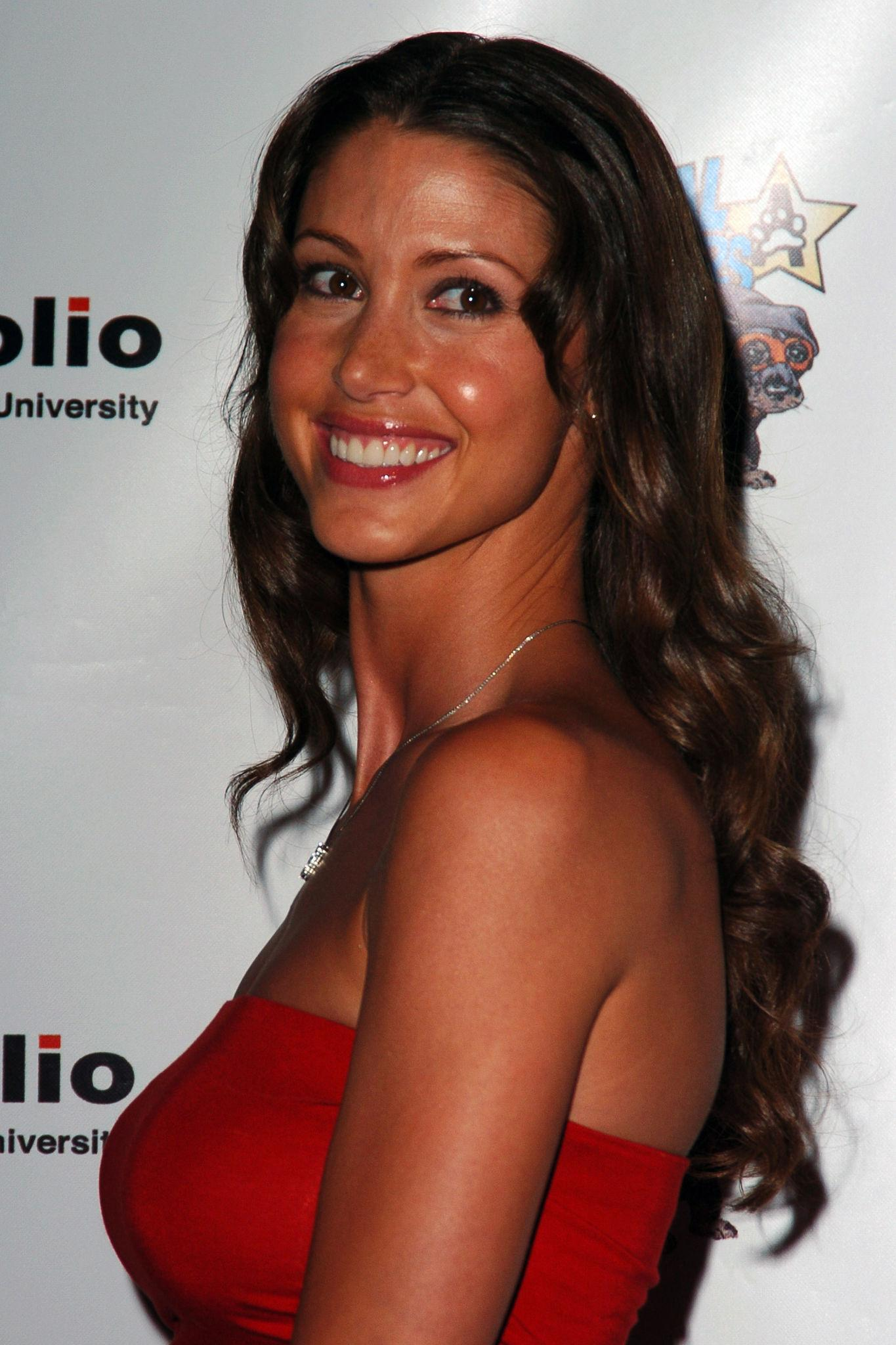
Elizabeth’s rise to fame is inseparable from her role in the 1999 comedy American Pie, where she portrayed Nadia, a mysterious and confident foreign exchange student. The film, which also starred Jason Biggs, became a defining entry in the teen comedy genre.
The storyline—centered on a group of high school students navigating adolescence and relationships—resonated strongly with audiences. Elizabeth’s performance, in particular, turned her into an overnight star.
However, the path to landing that role was far from effortless.

“The audition process for American Pie was difficult,” she said. “I was scared. I was really scared.”
In a detail that highlights the unpredictability of casting, she revealed that her audition required her to perform a scene in reverse of what audiences later saw:
“In the audition, it was the opposite of what you saw in the movie. I had to dance for Jason instead of him dancing for me.”
This moment illustrates a recurring theme in her career: stepping outside her comfort zone to deliver memorable performances.
Behind the Persona: Navigating Fame and Identity
Despite portraying a confident and alluring character, Elizabeth has consistently described herself as naturally reserved.
“I’m not somebody [who’s] super comfortable in my own skin, to be honest.”
Her comments reveal the often-overlooked psychological dimension of acting—where performers must reconcile personal identity with public perception. For Elizabeth, the role of Nadia was less about embodying a persona and more about executing a professional task.

“When you have to turn it on, you have to work… So you just let everything else go.”
This duality—public confidence versus private introspection—mirrors the experiences of many actors who achieve sudden fame.
Expanding a Hollywood Career
Following the success of American Pie, Elizabeth capitalized on her momentum with roles in several high-profile films, including:
- Scary Movie
- Jay and Silent Bob Strike Back
- Love Actually
- Thirteen Ghosts
These roles reinforced her position in early-2000s entertainment, spanning genres from comedy to horror. Her ability to transition across different film styles demonstrated versatility, even as she became strongly associated with comedic roles.
Yet, while her acting career continued, a parallel passion was quietly developing.
The Turning Point: A Shift in Perspective
The defining transformation in Elizabeth’s life began years after her Hollywood success. A visit to Africa reshaped her worldview and priorities.
Reflecting on a moment in New York after returning from Africa, she described a stark contrast:
“Everybody’s looking down at their phones… Nobody’s paying attention except to whatever is in their hand at that moment.”
That observation triggered a deeper realization:
“The problems there felt so real — and they are real… It’s a war that’s happening with wildlife.”
This moment became a catalyst. By 2016, she made a decisive move—leaving the United States to live in South Africa.
Building a New Mission: Conservation and Advocacy
Elizabeth’s transition was not abrupt but rooted in years of activism. As early as 2001, she founded Animal Avengers, a rescue organization for dogs and cats, which she operated for over a decade.
Her work evolved significantly with the establishment of the Shannon Elizabeth Foundation in 2018. The organization focuses on:
- Protecting endangered species
- Supporting anti-poaching initiatives
- Funding conservation research
- Providing resources for wildlife rangers
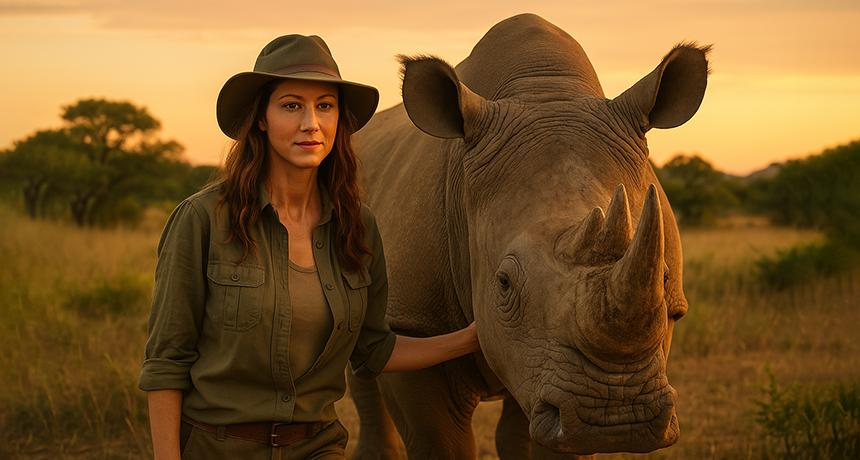
Her involvement extends beyond fundraising. She has actively participated in initiatives such as rhino protection efforts, including horn trimmings designed to deter poaching.
She also highlighted tangible impacts:
“We’ve put a girl through her doctorate… We’ve paid salaries… bought food for anti-poaching dogs.”
One of the most notable developments is her work with a blind black rhino, which inspired the creation of a sanctuary aimed at long-term care and rehabilitation.
Expanding Conservation Efforts: A Long-Term Vision
Elizabeth’s foundation is not limited to immediate interventions. It is structured around sustainable conservation goals, including:
- Establishing wildlife sanctuaries
- Creating orphanage and rehabilitation centers
- Supporting genetic diversity through animal relocation
- Collaborating with local partners for ecosystem protection
Her description of future plans reflects an increasingly strategic approach:
“We’re now looking to expand… to be an orphanage and rehabilitation center and have some holding bomas… for range expansion and genetic expansions.”
This indicates a shift from reactive conservation to long-term ecological planning.
Life in South Africa: A New Reality
Contrary to common assumptions, Elizabeth clarifies that her life in South Africa is not entirely remote:
“Even though our sanctuary is in the bush, my base camp is in Cape Town. It’s beautiful.”
While she acknowledges missing aspects of life in the United States—particularly New York’s energy and convenience—she expresses no regret about her decision.
“I absolutely love New York… But I just felt like I needed to be closer to the issues.”
Her relocation reflects a broader trend of public figures aligning their lifestyles with their values.
The Possibility of a Return to Hollywood
Despite her current focus, Elizabeth has not completely closed the door on acting. Recent discussions around reviving the American Pie franchise have reignited interest.
Her co-star Jason Biggs acknowledged ongoing conversations:
“There’s always talks… Nostalgia is big right now.”
Elizabeth herself has expressed enthusiasm for a potential return, particularly with a fresh narrative direction:
“I would love to see a film where it’s all about Nadia… following her around, seeing her day-to-day life now.”
Such a project would align with current industry trends, where legacy franchises are reimagined for modern audiences.
Cultural Impact: Redefining Celebrity Influence
Elizabeth’s journey underscores a significant shift in how celebrity influence is perceived. Traditionally associated with entertainment and branding, public figures are increasingly engaging in global issues such as environmental conservation.
Her transition illustrates:
- The growing intersection between fame and activism
- The potential for celebrity platforms to drive awareness
- A redefinition of success beyond financial or commercial metrics
In an era where audiences value authenticity, her decision to step away from Hollywood for a cause adds depth to her public image.
Conclusion: A Legacy Beyond the Screen
Shannon Elizabeth’s story is not simply about an actress who found success and moved on. It is about a deliberate reorientation of purpose—one that bridges entertainment and environmental advocacy.
From the anxiety of a challenging audition to the responsibilities of running a conservation foundation, her trajectory reflects resilience and adaptability.
Her legacy now operates on two fronts:
- As a cultural figure shaped by iconic film roles
- As an advocate working to protect endangered wildlife
The possibility of her return to acting remains open, but her current impact extends far beyond cinema—into ecosystems, communities, and the broader global conversation about conservation.