


Saudi Riyal vs Egyptian Pound: Market Analysis of a Record-Breaking Day
A Currency Under the Spotlight
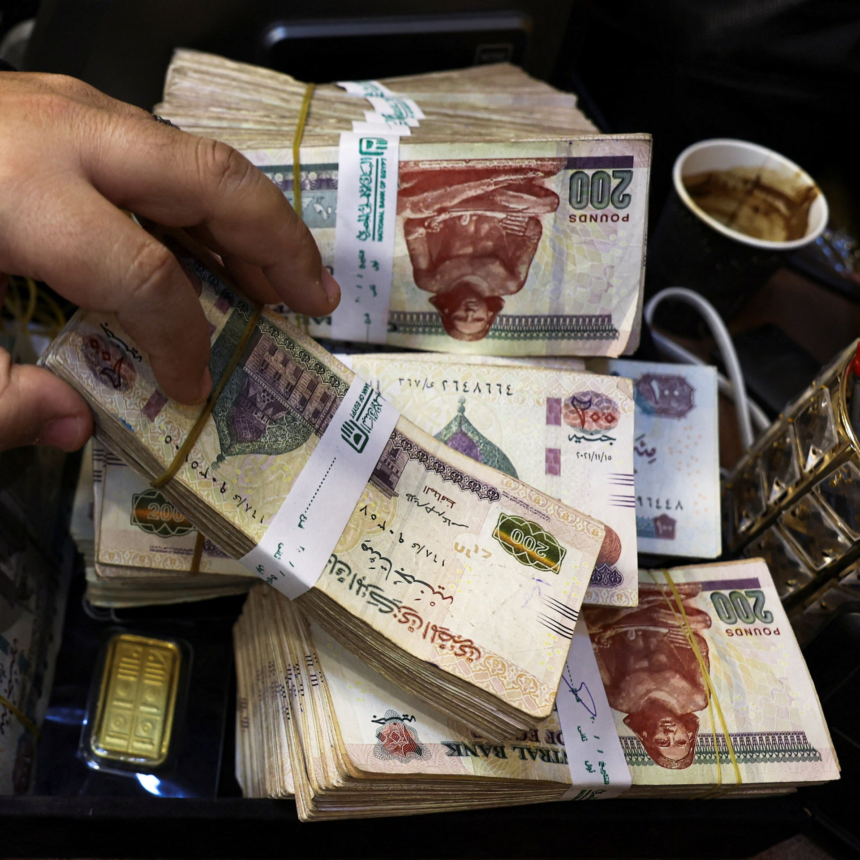
On Monday, March 30, 2026, the Saudi riyal captured unusual attention across Egypt’s financial landscape. What began as a routine trading day quickly turned into a notable moment in the currency market, as the Saudi riyal recorded a sharp rise against the Egyptian pound—prompting increased public interest, heightened banking activity, and widespread discussion among analysts.
- A Currency Under the Spotlight
- Midday Surge: A Notable Jump in Value
- Official Benchmarks and Banking Variations
- A Parallel Market Picture: Slight Differences Across Banks
- Why the Saudi Riyal Is Moving
- A Record-Breaking Context
- Stability Beneath the Movement
- What This Means for Individuals and Businesses
- Outlook: What Comes Next?
- Conclusion: A Market Driven by Real Demand
The surge was not isolated. It reflected a convergence of seasonal demand, economic ties, and broader financial dynamics shaping the Egyptian foreign exchange market. At its core, the movement of the Saudi riyal against the Egyptian pound offers a revealing lens into both countries’ interconnected economies.
Midday Surge: A Notable Jump in Value
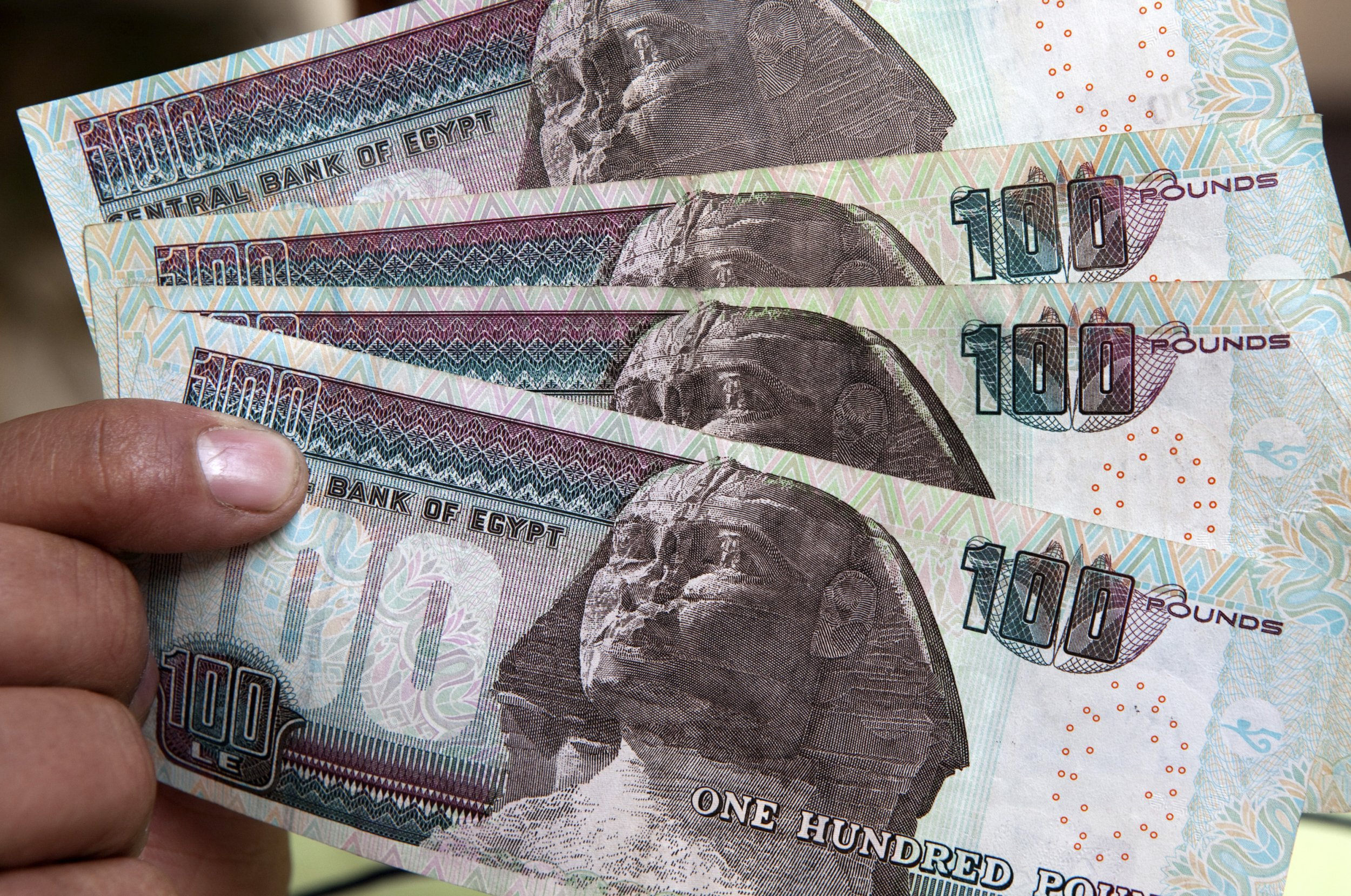
The most striking development came during midday trading, when the Saudi riyal rose by approximately 17 piasters, marking what was described as an “unprecedented increase.”



At key institutions:
- Banque Misr recorded:
- Buying: 14.47 EGP
- Selling: 14.55 EGP
- National Bank of Egypt showed identical levels:
- Buying: 14.47 EGP
- Selling: 14.55 EGP
This sharp movement pushed the riyal into a higher trading band, reinforcing its upward momentum within the Egyptian banking system.



Official Benchmarks and Banking Variations
Despite the midday spike, official and average rates suggested relative stability across the broader market:
- Central Bank of Egypt (average rate):
- Buying: 14.26 EGP
- Selling: 14.30 EGP
- National Bank of Egypt:
- Buying: 14.36 EGP
- Selling: 14.44 EGP
- Banque Misr:
- Buying: 14.33 EGP
- Selling: 14.41 EGP
- Commercial International Bank (CIB):
- Buying: 14.34 EGP
- Selling: 14.39 EGP
Across other banks, prices varied slightly but remained within a narrow range, indicating controlled volatility rather than systemic instability.
A Parallel Market Picture: Slight Differences Across Banks
In parallel updates from multiple banks, rates hovered around:
- Buying: 14.03 – 14.06 EGP
- Selling: 14.08 – 14.10 EGP
These differences highlight a typical feature of Egypt’s banking sector: small pricing gaps between institutions that allow customers to compare and select favorable rates.
Why the Saudi Riyal Is Moving
1. Seasonal Demand Peaks
The most immediate driver is demand tied to religious travel. With the approach of Umrah and Hajj seasons, Egyptian travelers increase their need for Saudi currency, placing upward pressure on the riyal.
This demand surge is predictable but still powerful, often leading to short-term price increases as banks adjust supply.
2. Strong Egypt–Saudi Economic Relations
Economic ties between Egypt and Saudi Arabia play a stabilizing role. Trade flows, investment partnerships, and bilateral cooperation in sectors such as energy and tourism help maintain steady demand for the riyal.
These structural links reduce the likelihood of extreme volatility while supporting gradual upward trends.
3. Remittances from Egyptians Abroad
Remittances remain one of the most influential factors. Large numbers of Egyptians working in Saudi Arabia regularly send money back home, increasing the circulation of riyals within Egypt’s banking system.
This steady inflow contributes to liquidity and helps anchor exchange rates, even during periods of increased demand.
4. Global Monetary and Currency Dynamics
External factors also matter. Shifts in global monetary policy and broader foreign exchange movements can influence local currency pricing.
Even when domestic demand is the primary driver, global trends shape how quickly and sharply rates adjust.
A Record-Breaking Context
What distinguishes this particular trading session is not just the increase, but its scale and timing. Reports indicate that the riyal:
- Exceeded 14 EGP consistently across banks
- Reached historical peak levels in some institutions
This positions the March 30 movement as part of a broader upward trajectory rather than an isolated spike.
Stability Beneath the Movement
Despite headlines highlighting the surge, underlying data suggests a degree of stability:
- Price differences between banks remain narrow
- Central Bank averages show controlled fluctuations
- Market behavior aligns with known seasonal patterns
In practical terms, the market is responding to demand without showing signs of disorder or speculative pressure.
What This Means for Individuals and Businesses
For Travelers
Those planning travel to Saudi Arabia may face slightly higher exchange costs, particularly during peak religious seasons. Monitoring rates across banks becomes essential to secure favorable deals.
For Businesses
Companies engaged in import-export or cross-border transactions may see minor cost adjustments, especially if operations involve Saudi partners.
For Investors
Currency stability combined with gradual upward movement can signal a balanced environment, though short-term volatility remains tied to demand cycles.
Outlook: What Comes Next?
Economists broadly expect:
- Continued relative stability
- Minor fluctuations driven by supply and demand
- Sustained support from remittances and bilateral trade
In other words, while sharp jumps may occur, they are likely to remain temporary rather than structural shifts in valuation.
Conclusion: A Market Driven by Real Demand
The movement of the Saudi riyal against the Egyptian pound on March 30, 2026, illustrates a market responding to tangible economic forces rather than speculative shocks.
Seasonal travel demand, strong bilateral relations, and consistent remittance flows all converge to shape the currency’s trajectory. The result is a system that can experience sharp movements—like the 17-piaster jump—while maintaining overall stability.
For observers, the takeaway is clear: the Saudi riyal remains one of the most closely watched foreign currencies in Egypt, not because of volatility alone, but because of its deep connection to everyday economic activity.