




SASSA Under Pressure: Inside South Africa’s Social Grant System at a Breaking Point
The South African Social Security Agency (SASSA) sits at the center of one of Africa’s largest social protection systems, supporting millions of vulnerable citizens through monthly grants. Yet recent developments reveal a widening gap between policy intent and on-the-ground realities.
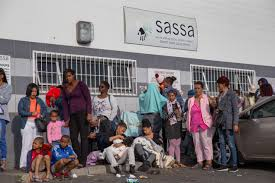
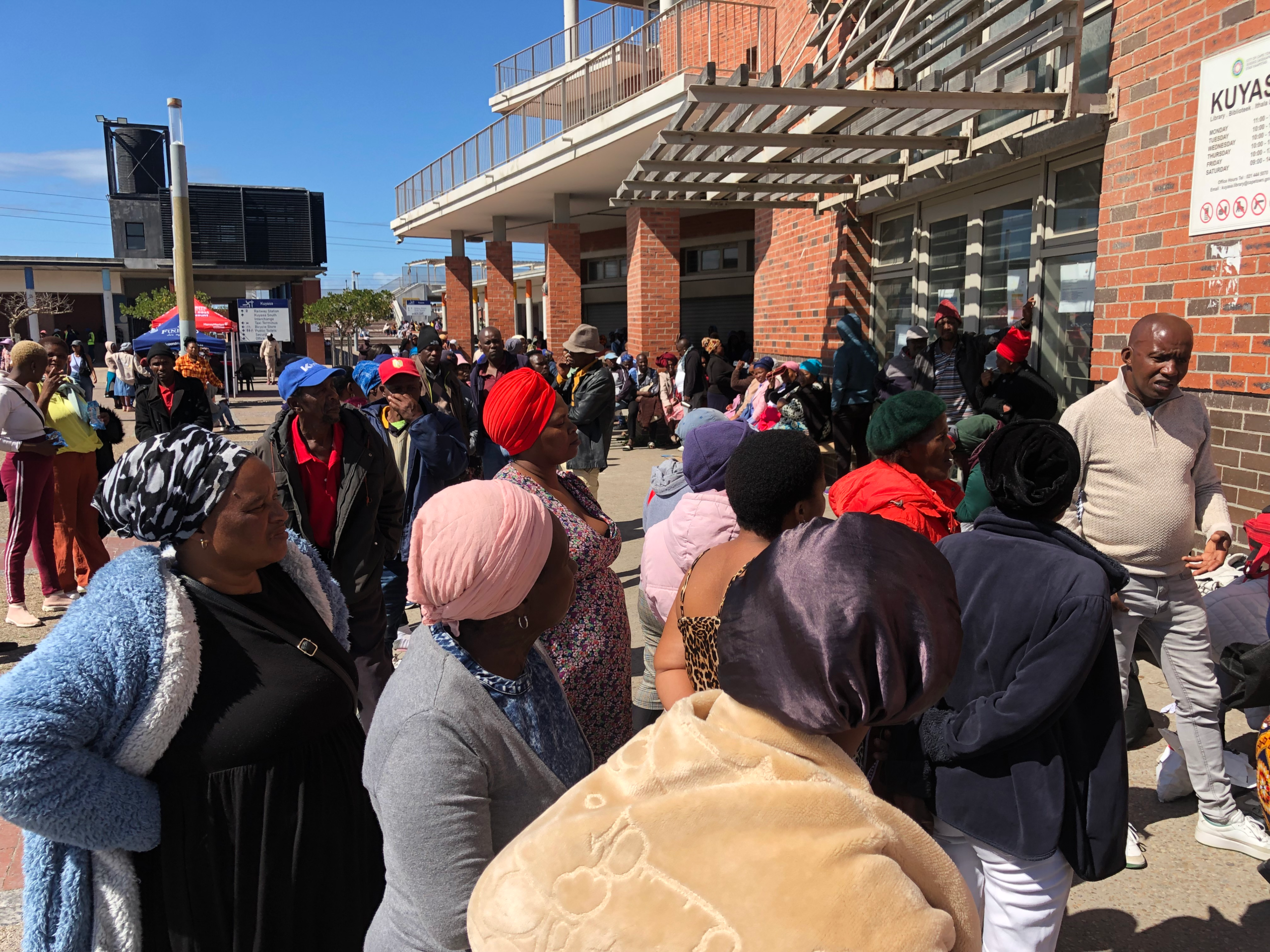
In Phoenix, north of Durban, elderly beneficiaries have raised alarm over long queues, limited assistance, and harsh conditions at a local SASSA office. The situation has triggered renewed scrutiny of service delivery challenges—particularly for those most dependent on state support.



Long Queues, Limited Assistance
The issue is not merely administrative—it is human. Elderly residents reported arriving early in the morning only to face hours of waiting under the sun, often with little communication from officials.
Local leadership has responded sharply. Councillor Dr Jonathan Annipen described the situation as untenable:



“This is a great tragedy because many of these individuals, if not all of these individuals, go there as vulnerable citizens. Many of them are elderly, and the very fact that they are going out to SASSA to apply for a grant, whether it’s an old-age grant or a disability grant, means that these are desperate people. They do not have the resources to make multiple trips to the offices, and it seems as though there’s very little concern, if any, from those officials at the SASSA office in Phoenix about the plight of these individuals.”
At the time of reporting, SASSA’s KwaZulu-Natal division had not issued an official response.
April 2026 Payments: What Beneficiaries Need to Know
Despite operational challenges, SASSA has continued with its nationwide payment rollout for April 2026. According to Lungelo Mkamba, senior manager for communication and marketing in Gauteng, the payment schedule is structured to stagger access and reduce congestion:
- Older Persons Grants: Began April 2
- Disability Grants: Began April 7
- All Other Grants: From April 8
Importantly, beneficiaries receiving multiple grants—such as older persons also responsible for children—can access linked payments simultaneously.
Updated Grant Amounts (April 2026)
The government has implemented incremental increases across major grant categories:


- Older Persons, Disability, Care Dependency: R2,400 (↑ R80)
- War Veterans Grant: R2,420 (↑ R80)
- Foster Care Grant: R1,290 (↑ R40)
- Child Support Grant & Grant-In-Aid: R580 (↑ R20)
- COVID-19 SRD Grant: Continues unchanged
These adjustments reflect ongoing efforts to mitigate inflationary pressure, though many beneficiaries argue the increases remain insufficient relative to rising living costs.
Accessing Funds: Expanding Payment Channels
SASSA has gradually diversified how beneficiaries receive funds, aiming to reduce reliance on physical offices:
- Direct deposits into personal bank accounts
- Continued use of the SASSA/SAPO card at ATMs
- Withdrawals at major retail outlets such as supermarkets
This shift is intended to decentralize access and minimize overcrowding at pay-points. However, the situation in Phoenix suggests that digital and retail alternatives have not yet fully alleviated pressure on physical service centers.
System Reforms and Financial Oversight
Beyond payments, SASSA has intensified its internal controls to improve efficiency and reduce fraud.
Under CEO Themba Matlou, the agency has introduced a comprehensive grant review process. The results are financially significant:
- Estimated savings: R44 million per month
- Annual impact: Approximately R0.5 billion
The reforms include:
- Biometric enrolment for new applicants
- Life certification checks for beneficiaries
- Self-service digital platforms, including e-Life Certification
Matlou emphasized that these measures are designed to ensure that “social assistance reaches only eligible beneficiaries” while safeguarding public funds in a constrained fiscal environment.
May 2026 Payment Dates Confirmed
Looking ahead, SASSA has confirmed payment dates for May 2026, providing clarity for beneficiaries planning their finances:
- Older Person’s Grant: May 5, 2026
- Disability Grant: May 6, 2026
- Children’s Grant: May 7, 2026
The structured timeline is part of broader efforts to manage demand and streamline distribution.
The Larger Issue: Accessibility vs. Efficiency
The Phoenix incident underscores a persistent tension within SASSA’s operations: balancing system efficiency with equitable access.
On one hand, reforms such as biometric verification and digital self-service tools are improving accountability and reducing fraud. On the other, these changes can unintentionally create barriers for elderly or digitally excluded populations.
For many beneficiaries, especially older citizens, physical offices remain the primary point of interaction. When these offices fail to deliver adequate service, the consequences are immediate and severe.
What Comes Next?
Calls for intervention are likely to intensify, particularly at the municipal and provincial levels. The immediate priorities are clear:
- Improving on-site service conditions
- Reducing queue times
- Enhancing staff responsiveness
- Expanding accessible alternatives for vulnerable groups
At a structural level, SASSA’s continued modernization will need to account for digital inclusion gaps to avoid widening inequality within the system it is meant to support.
Conclusion
SASSA remains a critical pillar of South Africa’s social safety net, delivering essential financial support to millions. However, the situation in Phoenix illustrates that operational inefficiencies can undermine even well-funded programs.
As payment systems evolve and oversight strengthens, the central challenge will be ensuring that improvements in efficiency do not come at the expense of accessibility—particularly for those who rely on the system the most.