


Samsung’s Next TriFold Could Finally Deliver the S Pen Experience Users Want
Samsung’s experiment with tri-fold smartphones may not be over after all. Even though the original Galaxy Z TriFold has already disappeared from several markets, newly surfaced patent filings suggest the company is actively exploring one of the most requested upgrades for future models: an integrated S Pen.
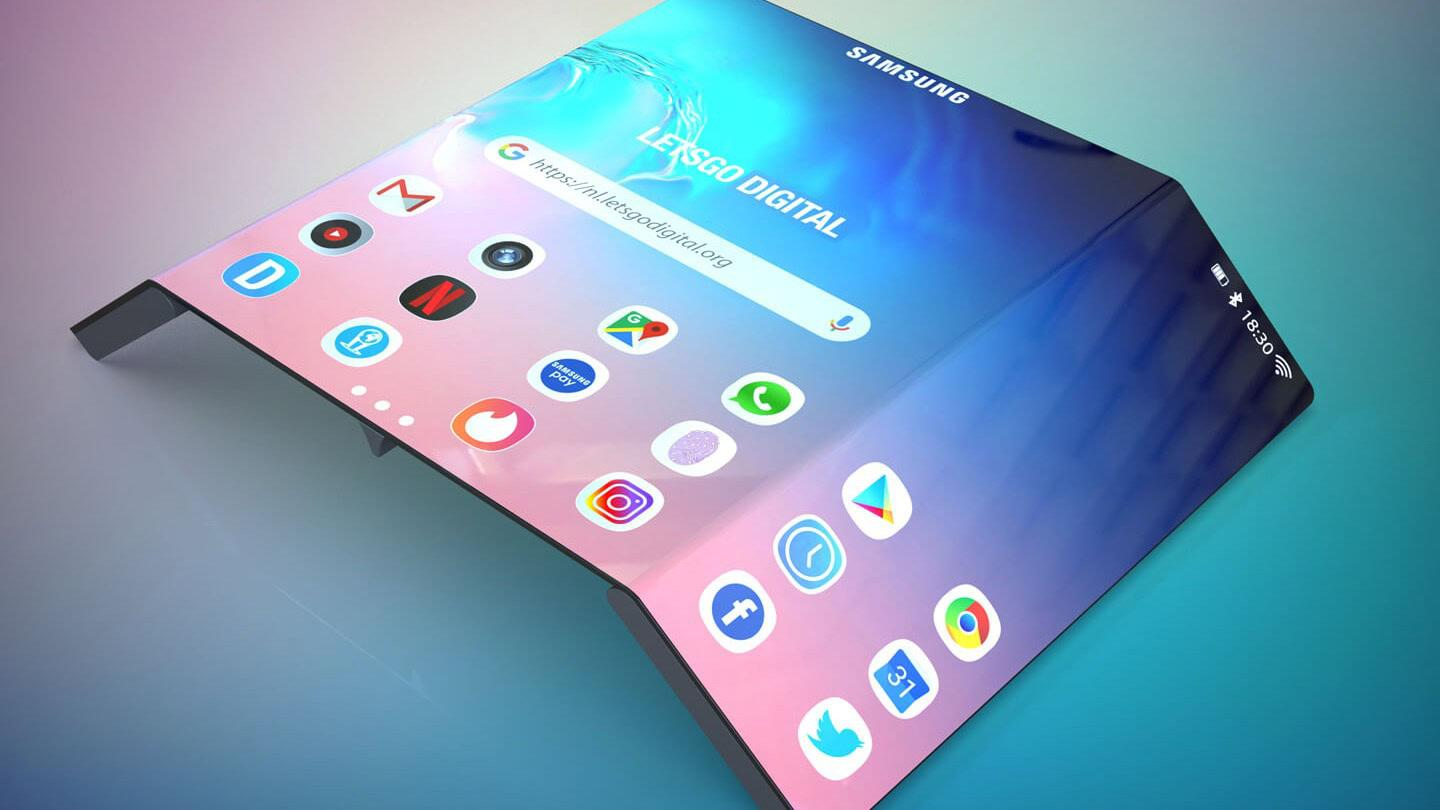
The idea could significantly reshape Samsung’s vision for productivity-focused foldables. According to multiple patent-based reports and renders shared by leakers including David Kowalski (@xleaks7) and Saskaitu Israsymas, Samsung is testing a trifold design that stores the S Pen directly inside the device’s hinge system.
If the concept eventually reaches consumers, Samsung could solve one of the biggest criticisms surrounding its first-generation tri-fold device — the absence of native stylus integration.
Why the Missing S Pen Became a Problem
When Samsung launched the Galaxy Z TriFold, the device represented the company’s boldest attempt yet to push foldable smartphone technology beyond the traditional book-style fold. The phone unfolded into a nearly tablet-sized display, targeting multitasking users, mobile professionals, entertainment enthusiasts, and digital creators.
But despite its massive screen and productivity-oriented design, the device lacked support for Samsung’s iconic S Pen.
For many Samsung users, especially long-time Galaxy Note fans, that omission felt strange.
The S Pen has long been one of Samsung’s defining features. Since its debut in 2011, the stylus has evolved into a powerful productivity tool supporting note-taking, sketching, handwriting recognition, translation features, remote controls, and precision editing.
A large foldable screen seemed like the perfect canvas for stylus input. Yet engineering limitations likely prevented Samsung from implementing it in the first-generation TriFold.
Foldable devices already face enormous internal design challenges. Engineers must fit multiple batteries, flexible OLED panels, cooling systems, hinges, antennas, cameras, and structural reinforcements into increasingly thinner chassis. Adding a stylus compartment introduces even more complexity.
Now, Samsung appears determined to revisit the idea.
Samsung’s Patent Reveals a New S Pen Storage Strategy
The newly discovered patent outlines a tri-fold smartphone with a dedicated compartment integrated into one of the hinges. Instead of storing the S Pen inside the main body — similar to Galaxy Ultra phones — Samsung’s design places the stylus vertically along the hinge structure itself.
According to the patent descriptions, the system could include several advanced features:
- Magnetic retention to keep the S Pen securely in place
- Charging support while docked
- Detection mechanisms capable of identifying whether the stylus is inserted properly
- Integrated storage without requiring external accessories
The charging approach reportedly resembles the system already used on the Galaxy S26 Ultra, where the stylus charges while stored inside the phone.
Patent renders also suggest Samsung may redesign the internal layout of the foldable to make room for the stylus compartment. One side of the tri-fold device appears narrower than the others, creating an asymmetrical appearance.
That unusual shape may be the tradeoff required to accommodate the built-in S Pen.
The Design Tradeoffs Samsung Must Solve
Integrating an S Pen into a trifold phone sounds attractive on paper, but the engineering compromises could be significant.
Samsung is simultaneously rumored to be pursuing a thinner and lighter Galaxy Z TriFold 2.
Those goals may directly conflict with the addition of a stylus silo.
Foldables are already difficult to slim down because their hinges and layered displays consume considerable internal space. Samsung previously removed S Pen support from devices like the Galaxy Z Fold 7 in order to reduce thickness and improve durability. Samsung executives explained that eliminating the digitizer layer helped create thinner foldables with stronger displays and better battery efficiency.
That history makes Samsung’s latest patent especially interesting.
Rather than abandoning stylus functionality completely, Samsung now appears to be investigating alternative ways to integrate the S Pen without dramatically increasing device thickness.
Some reports suggest Samsung may adopt digitizer-free stylus technology for future foldables. This approach could reduce internal layers beneath the display while still preserving pen input functionality.
If successful, the company could finally combine three major goals in one device:
- ultra-large foldable displays
- thin and lightweight construction
- integrated stylus support
Achieving all three simultaneously would be a major engineering milestone.
Durability Concerns Remain
The patent also raises new questions about durability.
According to some analyses of the patent drawings, parts of the flexible display itself may help form the stylus storage channel around the S Pen. That could potentially expose the folding display layers to repeated friction whenever users insert or remove the stylus.
Foldable OLED panels are already more delicate than traditional smartphone screens. Any added stress around the hinge area could become a long-term reliability concern unless Samsung redesigns either the display materials or the stylus surface.
Samsung has spent years refining hinge durability across the Galaxy Z Fold and Z Flip series. The company may now need an entirely new engineering solution to safely integrate moving stylus hardware into a folding hinge assembly.
Samsung Is Clearly Not Giving Up on TriFold Devices
Although Samsung discontinued the original Galaxy Z TriFold in several markets only months after launch, the steady flow of patents and leaks strongly suggests the company still sees long-term potential in the category.
The tri-fold form factor offers something traditional foldables cannot: a genuinely tablet-like workspace that still folds into a portable smartphone shape.
That larger screen creates opportunities for:
- multitasking
- note-taking
- creative work
- document editing
- productivity applications
- advanced DeX-style desktop experiences
These are precisely the types of activities where S Pen support becomes most valuable.
Samsung also faces increasing pressure from competitors in the foldable market, particularly Chinese manufacturers experimenting aggressively with multi-fold devices and ultra-thin designs. Huawei’s Mate XT has already demonstrated strong interest in large-format foldables.
As competition intensifies, Samsung may view S Pen integration as a key differentiator for future premium foldables.
Patents Don’t Guarantee a Final Product
Despite the excitement surrounding the leaked renders, there is one important caveat: patents do not guarantee commercial products.
Samsung files countless experimental patents every year, many of which never reach consumers. Some concepts exist purely for engineering exploration or defensive intellectual property purposes.
Still, the repeated appearance of tri-fold patents featuring stylus support indicates Samsung is actively evaluating the idea rather than casually experimenting with it.
And given how closely the S Pen aligns with Samsung’s productivity identity, it would make strategic sense for the company to eventually bring integrated stylus support back to its most ambitious foldable devices.
The Future of Samsung Foldables May Depend on Productivity
Samsung helped define the modern foldable smartphone market, but the next phase of competition may revolve less around novelty and more around usefulness.
Consumers increasingly expect foldables to justify their high prices through meaningful productivity advantages, not just larger screens.
An integrated S Pen could help transform future TriFold devices from luxury experiments into practical mobile workstations.
Whether Samsung can achieve that without sacrificing thinness, durability, or usability remains the central challenge.
For now, the company’s latest patents provide an intriguing glimpse into how Samsung imagines the next evolution of foldable computing.


