Sam Cooke Net Worth, Relationships, Age/Birthdate & Birthday
Overview of Sam Cooke — net worth, relationships, age/birthdate, and birthday.
 loveness92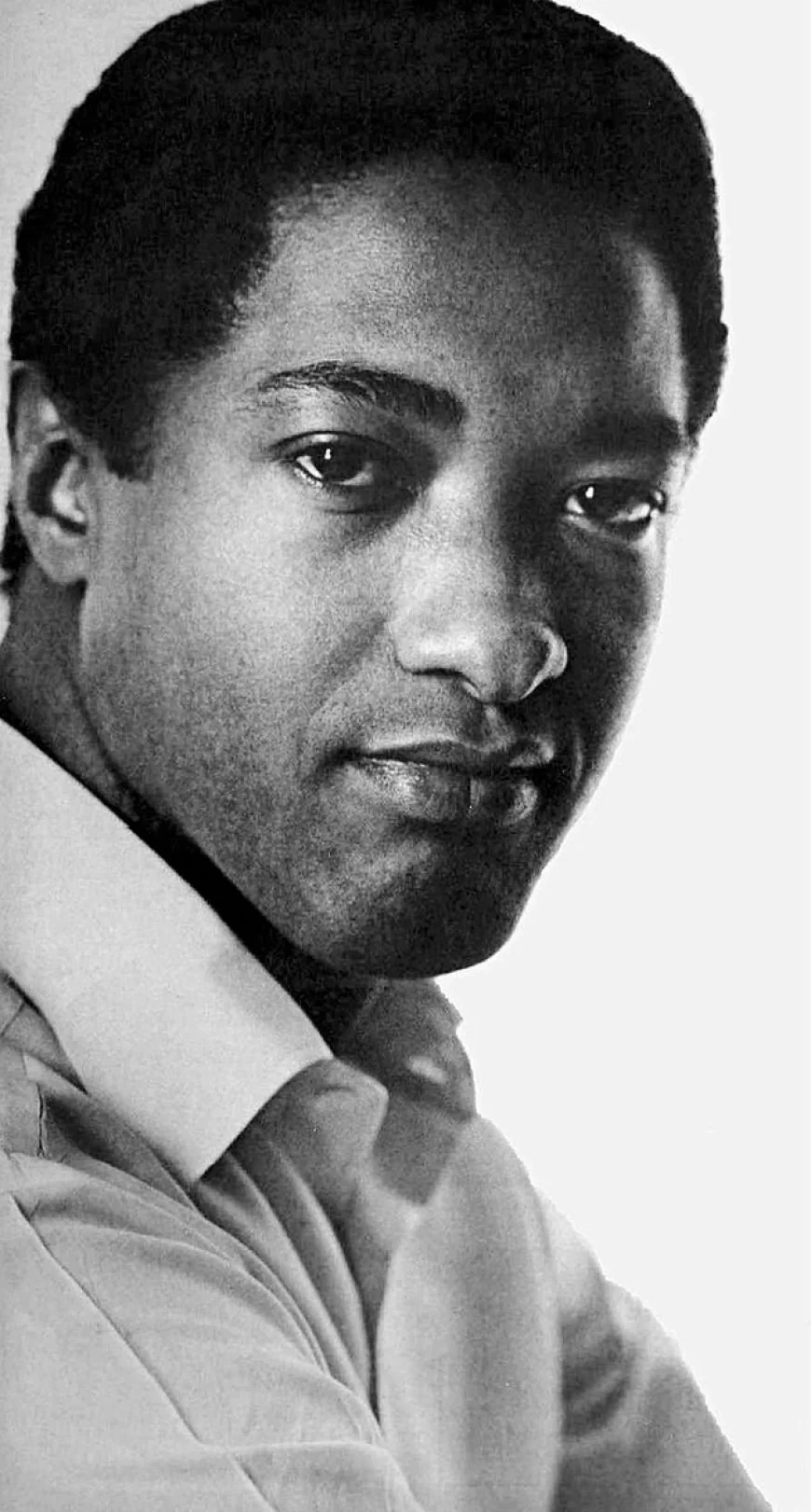
The Voice That Changed Music: The Story of Sam Cooke
Sam Cooke — born January 22, 1931 — emerged from humble roots in Clarksdale, Mississippi, to become one of the most influential artists in the history of soul and popular music. His birthday marks the arrival of a man whose light, lilting tenor and business acumen would transform gospel-tinged melodies into crossover hits that resonated far beyond the Black church.
Rising from Gospel to Global Sounds
Raised in Chicago after his family moved north when he was a child, Cooke grew up singing gospel alongside his siblings in a family group. In his teens, he joined the gospel quintet the Highway Q.C.’s; shortly thereafter, he was tapped in 1951 to lead The Soul Stirrers — one of the foremost gospel groups of the era.
With The Soul Stirrers, Cooke lent his voice to stirring gospel numbers like “Jesus Gave Me Water” and “Peace in the Valley,” eventually becoming the group’s standout star.
Then, at a time when many considered secular music off-limits for gospel artists, Cooke broke barriers. In 1957, he plunged into pop, releasing his breakthrough hit “You Send Me.” That song — buoyed by his smooth, elegant voice — soared to number one, marking the start of a string of chart-toppers that would reshape the sound of American popular music.
Over the next several years, Cooke delivered enduring classics: “Wonderful World,” “Chain Gang,” “Twistin’ the Night Away,” “Bring It On Home to Me,” and “Cupid,” among others.
The Entrepreneur Behind the Artist
Cooke wasn’t just a gifted performer — he was also a savvy businessman. In 1959, he co-founded SAR Records with J.W. Alexander, along with a publishing company (Kags Music, later ABKCO Music), seeking control over his compositions and advocating for artists’ ownership in an era when Black musicians were often exploited.
His 1960 contract with RCA Records — negotiated through the William Morris Agency — was groundbreaking. He secured terms that were rare for artists of his background: a substantial advance and eventual ownership of his master recordings.
This blend of artistry and entrepreneurship set a blueprint for future generations — artists who demanded not just fame, but respect, ownership, and agency.
Family, Relationships, and Personal Life
On a personal front, Cooke was married in 1959 to his childhood sweetheart, Barbara Campbell, in a ceremony held at her grandmother’s house in Chicago and officiated by his father. The couple had children together: two daughters, Linda and Tracey, and a son, Vincent — who tragically died in infancy.
Despite a public persona of glamour and success, his personal life carried heartbreak and complexity, shadowed by loss and the pressures that came with sudden fame. As biographer Peter Guralnick notes, Sam’s life was as vibrant and fraught as the songs he sang — a mix of triumph, tragedy, and determination.
Wealth in Life — and Unsettled After Death
At the time of his death in 1964, Sam Cooke’s net worth was estimated at about US$2 million — a considerable sum for the era. Adjusted for inflation and legacy earnings, some retrospective valuations peg his estate’s worth much higher decades later.
His income came from record sales, songwriting royalties, live performances, and the businesses he founded. But despite his foresight, he died without a formal will — a decision that left his estate’s fate tangled in legal and financial uncertainties.
The ambiguity around how to value and manage his legacy underlines the challenges faced by many pioneering Black artists of that era — even those who broke tremendous ground.
A Voice Silenced Too Soon — A Legacy That Echoes
Sam Cooke’s life came to a shocking end on December 11, 1964. He was shot and killed at a motel in Los Angeles — a death later ruled by courts as justifiable homicide, though many have questioned the circumstances and lingering mysteries.
Yet even in death, Cooke’s influence only grew. His smooth delivery, blending gospel soul and pop sensibilities, laid the groundwork for modern soul, R&B, and even neo-soul. Artists ranging from Aretha Franklin and Stevie Wonder to later stars cite him as a foundational inspiration.
Beyond his music, his insistence on ownership — his record label, publishing rights, and his demand for dignity — helped pave the way for generations of artists to claim agency over their art.
Cooke’s birthday, January 22, lives on not just as a date, but as a celebration of resilience, creativity, and the power of voice.
Why Sam Cooke Still Matters
-
Musical Bridge: He connected sacred gospel tradition with secular pop and soul — helping to introduce mainstream America to Black music in a new way.
-
Business Pioneer: As one of the earliest Black artists to control his publishing and recordings, he set a precedent still mirrored by artists asserting ownership today.
-
Cultural Impact: His songs — soulful, hopeful, romantic — spoke to the human condition, transcending barriers of race, geography, and time.
-
Legacy of Liberation: At a moment when the civil rights movement was gaining momentum, Cooke used his platform to demand dignity and representation, both on and off stage.
Even decades after his passing, Sam Cooke remains more than a memory: he stands as a foundational pillar of soul music, a symbol of Black artistic empowerment, and a reminder that true artistry can shape not just sound — but society.