Sam Childers Net Worth, Relationships, Age/Birthdate & Birthday
Overview of Sam Childers — net worth, relationships, age/birthdate, and birthday.
 loveness92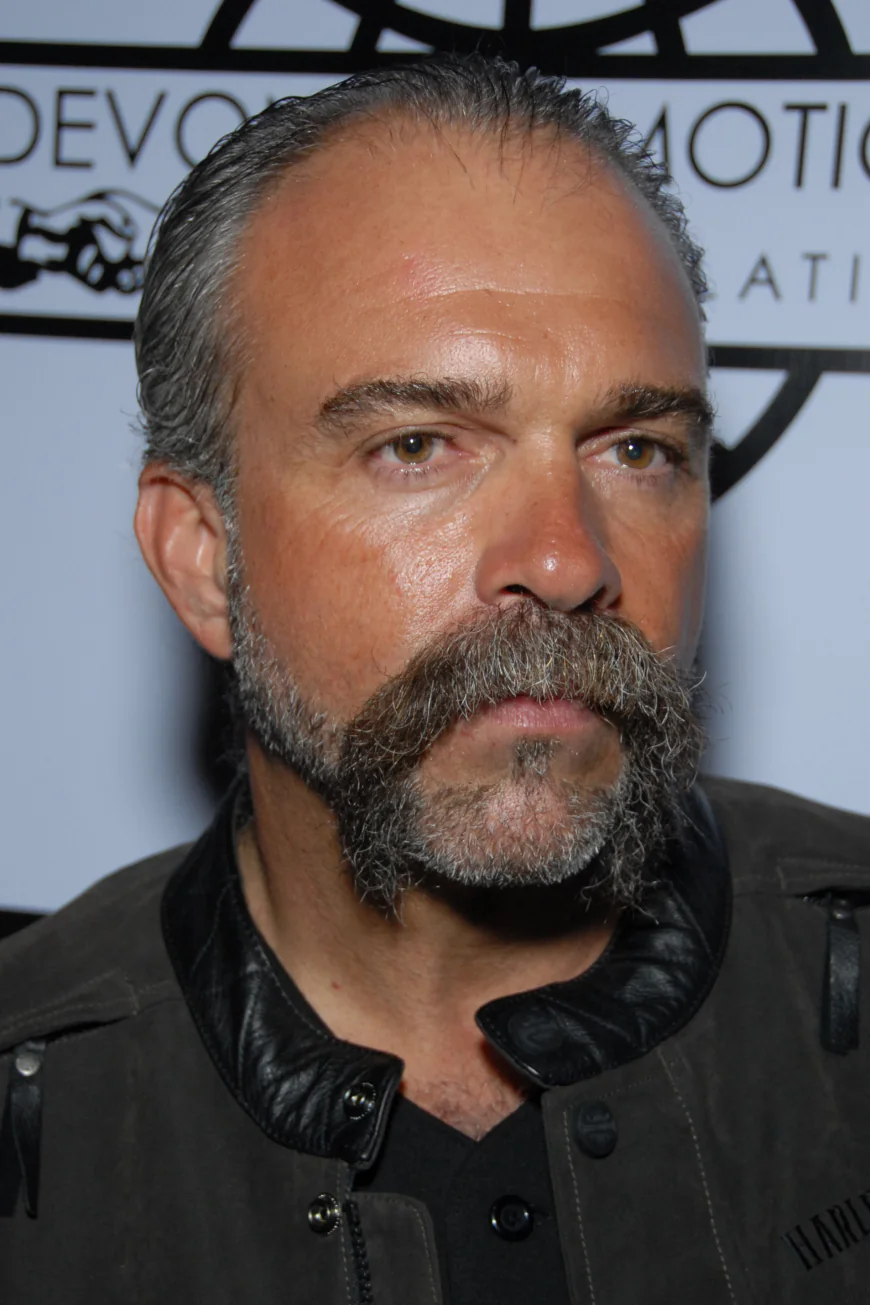
The unlikely path of redemption: from biker to “Machine Gun Preacher”
Sam Childers — born on June 23, 1962 in Grand Forks, North Dakota — is one of those rare figures whose life reads like a novel, filled with darkness, transformation, and a mission that defies expectation.
Raised in a working-class family — his father was a former U.S. Marine turned ironworker — Childers experienced a childhood of frequent moves, ultimately landing in Grand Rapids, Minnesota during his early teens. Under the pressures of adolescence, he fell into substance addiction and crime. He gravitated to outlaw biker culture, ran with the Highwaymen Motorcycle Club, and spent years embroiled in drug dealing, alcoholism, and violence — a life that almost destroyed him.
But everything changed in the early 1990s. In 1992, after attending a revival service at an Assemblies of God church, Childers experienced a spiritual awakening that altered his entire trajectory. He left behind his destructive lifestyle, found faith, and eventually felt compelled to channel his energies toward a singular, haunting purpose: rescuing children caught in conflict.
From conversion to crusade: founding Angels of East Africa
A few years later, after a 1998 mission trip to what is now South Sudan, Childers came face-to-face with the horrors of war — including children mutilated by landmines and the brutal realities inflicted by the Lord's Resistance Army (LRA). The encounter triggered a profound vow: he would do whatever it took to save as many children as possible.
Together with his wife Lynn Childers, he founded Angels of East Africa (AOEA), and the first orphanage — Children’s Village — emerged in Nimule, South Sudan. Over time, AOEA expanded its operations to include multiple orphanages, homes, and rehabilitation projects across East Africa, attempting to provide sanctuary, education, and hope to children rescued from conflict zones.
Childers chronicled this dramatic life shift in his memoir Another Man's War, published in 2009. The memoir resonated widely — and eventually inspired a Hollywood adaptation, the 2011 film Machine Gun Preacher starring Gerard Butler — amplifying Childers’ story to a global audience.
Legacy under fire: impact, controversies, and complex aftermath
Childers’ work has drawn admiration and criticism in nearly equal measure. Supporters hail him as a bold, faith-driven warrior who refused to stand idly by while innocent children suffered — someone who literally picked up a gun and a bible with equal conviction to defend the vulnerable.
Yet critics caution that his approach — combining armed intervention with humanitarian outreach — risks undermining conventional aid protocols, endangering civilians, and complicating neutral relief efforts. Some aid organizations and regional officials have questioned the veracity of certain rescue claims.
Moreover, humanitarian reporting has flagged instances of mismanagement: orphanages associated with AOEA have faced allegations of neglect, substandard living conditions, and even staged photographs for fundraising. Investigations and confrontations with law-enforcement — notably a federal raid by the FBI and the IRS — added further scrutiny.
Supporters argue these problems stem from internal mismanagement or the chaos of operating in war-torn zones, while Childers remains committed to his mission — seeing his critics as part of a broader battle for the children’s future.
Financial standing and resources: net worth and how it supports a cause
Estimates place Sam Childers’ net worth at approximately US $3 million. According to public records and reporting, this modest wealth comes from a combination of book royalties (from Another Man's War), earnings and residuals tied to the film Machine Gun Preacher, speaking engagements, and other personal income streams.
Importantly, much of what could be considered "income" gets channeled — at least in part — into his humanitarian endeavors: running orphanages, care programs, rehabilitation efforts, and outreach all require financial support. As such, the $3 million figure seems less a sign of wealth accumulation and more a reflection of the resources required to sustain a high-risk mission that spans continents.
Relationships, family roots, and personal stakes
Childers' transformation was deeply influenced by his marriage to Lynn. The two have been partners since before his conversion, and she played a central role in encouraging his shift away from crime. They reportedly have two children, a daughter named Paige and a son, though details remain sparse publicly.
Much of his identity today seems anchored in protecting and providing for vulnerable children — a kind of surrogate fatherhood for hundreds of rescued youths, many of whom have endured internal displacement, abduction, or orphanhood. Through AOEA, Childers and his family appear committed to offering not just a shelter, but stability, education, and a chance at a different future.
What Sam Childers’ story tells us: redemption, controversy, and relentless commitment
Sam Childers’ journey is a dramatic testament to personal transformation — from addiction, crime, and gangster life to faith, risk, and a self-imposed crusade to rescue the most vulnerable. His life underscores a potent blend of faith-driven activism and confrontational humanitarianism.
Yet his legacy remains contested. The very tactics that earned him the nickname “Machine Gun Preacher” — including armed intervention and vigilante-style rescues — raise hard questions about ethics, long-term sustainability, and the line between heroism and hubris. What’s undeniable, though, is his willingness to shoulder those burdens.
For many, Childers embodies a raw, unpolished kind of hope: one that doesn’t wait for bureaucracy, board meetings, or donor approval; instead, it jumps into the mess, sometimes with a gun, always with a mission. For others, his story is a cautionary tale about the risks of combining faith, force, and charity.
Either way, his life remains a compelling — and controversial — narrative of extremes, and a reminder that sometimes, redemption doesn’t come quietly.