



Rwanda vs Estonia: A Statement Victory Signals Rising Momentum
A Confident Performance in Kigali
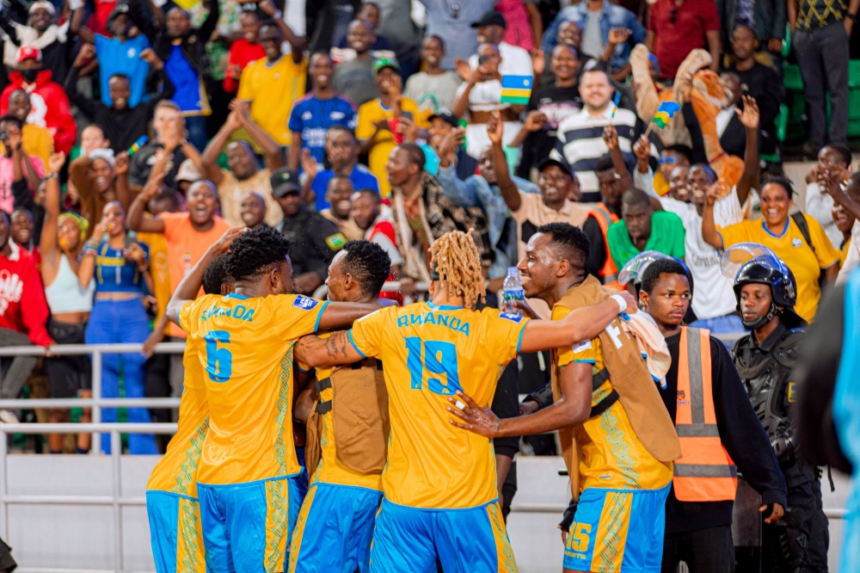
On March 30, 2026, Rwanda national football team delivered a composed and effective performance to defeat Estonia national football team 2–0 in an international friendly at Stade Amahoro.
- A Confident Performance in Kigali
- Key Moments That Defined the Match
- The Mickels Effect: A Tactical Shift
- Supporting Cast and Standout Performers
- A Perfect Window: From Grenada to Estonia
- Estonia’s Perspective: A Learning Experience
- Broader Context: A Competitive International Day
- What This Means for Rwanda’s Future
- Tactical Identity Taking Shape
- Conclusion: More Than a Friendly
The result was more than just another win—it marked the culmination of a perfect international window for Rwanda, underlining a team growing in cohesion, tactical clarity, and attacking confidence.
At halftime, Rwanda already held a 1–0 advantage. By full time, the hosts had doubled their lead and secured a controlled victory that rarely looked in doubt.

Key Moments That Defined the Match
First-Half Breakthrough
Rwanda’s opener arrived in the 30th minute through Abeddy Biramahire, who finished clinically after a well-delivered cross from Joy-Lance Mickels.
The goal reflected Rwanda’s attacking structure—wide play, precise delivery, and decisive finishing in the box.


Second-Half Control
The match was effectively settled early in the second half. In the 51st minute, Leroy Mickels struck from close range following a short corner routine.
The goal was particularly significant: it marked his first for the national team, signaling the immediate impact of new additions to the squad.
The Mickels Effect: A Tactical Shift
One of the most notable developments in this match—and across Rwanda’s recent fixtures—has been the integration of the Mickels brothers:
- Joy-Lance Mickels
- Leroy Mickels
- Joy-Slayd Mickels
Born in Germany, the trio recently switched international allegiance to Rwanda. Their influence has been immediate and measurable. Across two matches in this FIFA window, they contributed to three goals, adding pace, creativity, and technical sharpness to Rwanda’s attack.



Their presence suggests a broader strategic shift: Rwanda is actively strengthening its squad through diaspora talent, blending local experience with international exposure.
Supporting Cast and Standout Performers
While the Mickels trio drew attention, Rwanda’s success was built on collective performance.
Key contributors included:
- Jojea Kwizera – dynamic in midfield and attack
- Bonheur Mugisha – composed presence in midfield
- Djihad Bizimana – leadership as captain
The team’s structure allowed these players to operate effectively, maintaining balance between defensive discipline and attacking fluidity.
A Perfect Window: From Grenada to Estonia
Rwanda’s victory over Estonia was not an isolated success. It followed a dominant 4–0 win against Grenada national football team just days earlier in the same FIFA Series.
What this sequence achieved:
- Demonstrated consistency across multiple matches
- Showed improved goal-scoring efficiency
- Allowed new players to integrate quickly
- Built confidence ahead of competitive fixtures
Winning both matches secured Rwanda the FIFA Series mini-tournament title, positioning the team as one of the standout performers of the international window.
Estonia’s Perspective: A Learning Experience
For Estonia, the match highlighted areas requiring improvement:
- Limited attacking threat
- Difficulty coping with Rwanda’s pace on the wings
- Challenges defending set-piece variations
While the opposition was not considered among the strongest globally, the fixture still offered Estonia valuable exposure against a well-organized and motivated side.
Broader Context: A Competitive International Day
Rwanda’s victory was part of a wider slate of international friendlies played on the same day, including:
- Kenya national football team defeating Grenada 3–0
- Germany national football team beating Ghana national football team 2–1
- Cyprus national football team edging Moldova national football team 3–2
Within this global context, Rwanda’s controlled and convincing win stands out as a disciplined, tactically mature performance.
What This Means for Rwanda’s Future
Building Toward AFCON 2027 Qualifiers
The timing of this success is critical. Rwanda is preparing for the group stage of the 2027 Africa Cup of Nations qualifiers later this year.
The recent performances suggest:
- Improved squad depth
- Tactical flexibility
- Growing attacking efficiency
- Stronger team chemistry
Momentum in international football is often fragile. However, Rwanda appears to be building a foundation rather than relying on isolated results.
Tactical Identity Taking Shape
The match against Estonia revealed several defining traits of Rwanda’s current approach:
- Width-driven attacks: Utilizing crosses and wing play
- Set-piece effectiveness: Creative routines leading to goals
- Structured midfield control: Balance between defense and transition
- Clinical finishing: Converting key opportunities
These elements indicate a team evolving from reactive play to proactive control of matches.
Conclusion: More Than a Friendly
Rwanda’s 2–0 victory over Estonia was not simply a routine friendly win. It represented:
- A successful integration of new talent
- A clear tactical identity emerging
- A perfect international window
- A strong psychological boost ahead of competitive fixtures
If these performances are sustained, Rwanda could enter the AFCON qualification phase as a more formidable and organized side than in previous campaigns.