Roy Clark Net Worth, Relationships, Age/Birthdate & Birthday
Overview of Roy Clark — net worth, relationships, age/birthdate, and birthday.
 loveness92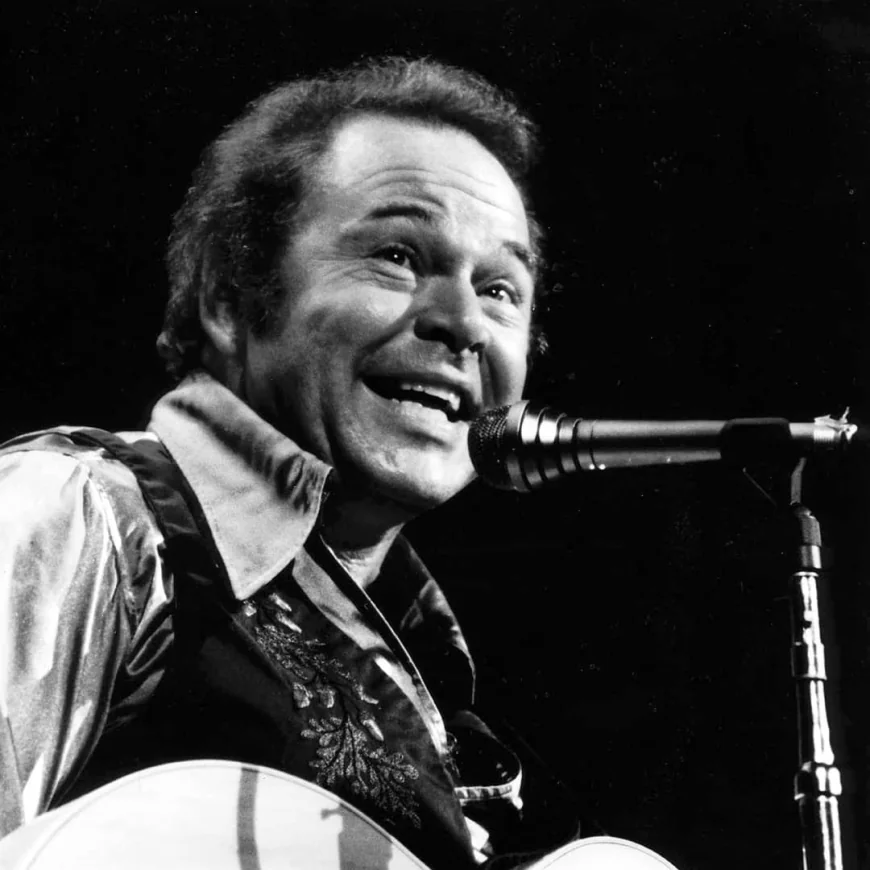
The Life-Long Melody of Roy Clark — A Legacy in Strings, Screens, and Smiles
When Roy Linwood Clark stepped onto a stage — banjo in hand, guitar strapped over his shoulder, ready with a grin — audiences didn’t just get a song. They got a performance that captured the full spectrum of country music’s heart: humor, virtuosity, and a connection that transcended generations.
Born April 15, 1933 — a birthdate that would mark the start of more than eight decades of musical influence — Roy Clark grew up steeped in sound. His father, a tobacco farmer, was also a semi-professional musician; his mother played piano. Clark’s first instrument was a homemade four-string “cigar box” guitar — a humble beginning that belied what was to come.
As a teenager, Clark had already claimed national recognition — winning the National Banjo Championship in both 1947 and 1948. Over time, his talents expanded beyond banjo to guitar, mandolin, fiddle — and eventually to a style that blended instrumental prowess, vocal delivery, and comedic timing.
When Small-Town Roots Met Big Dreams
Although born in Meherrin, Virginia, Clark’s childhood eventually led his family through New York City to Washington, D.C., where his upbringing in a musical home planted the seeds for his future career.
By 15, he was performing publicly with his father’s band. Within a few years, Clark made his first television appearance in D.C., and by 17 he had already graced the stage of the Grand Ole Opry — a signal that country music’s future was being reshaped.
What followed was a journey through the disparate worlds of club shows, theater circuits, smoky Las Vegas venues, and national television — each step helping him refine a style that was at once technical, accessible, and deeply entertaining.
Stardom, Screens, and Strings: How “Hee Haw” Became a Household Name
The turning point came in 1969. That year, Clark became co-host (with Buck Owens) of the television variety series Hee Haw — a show that blended country music, comedy sketches, and cultural charm, and which would go on to run for 25 years in first-run syndication.
Through “Hee Haw,” Clark delivered both songs and smiles weekly to millions, turning “pickin’ and grinnin’” into a beloved national catchphrase.
But the television spotlight didn’t dim his musical edge. Hits like The Tips of My Fingers and, later, the haunting Yesterday When I Was Young, showcased Clark’s ability to unify technical skill and emotional resonance.
Beyond hits and TV, Clark branched into live concerts, toured internationally (even performing behind the Iron Curtain during Cold War-era European tours), and maintained a steady presence on stages from Las Vegas casinos to Grand Ole Opry nights.
In 1983, recognizing both his popularity and the changing music landscape, Clark opened the Roy Clark Celebrity Theatre — helping lay the foundation for Branson’s rise as a major live-music destination.
Beyond the Spotlight: Family, Grounded Values, and Quiet Influence
Offstage, Clark led a life marked by steadiness and devotion. He was married to Barbara Joyce Rupard for 61 years — a partnership often overshadowed by his flamboyant public persona.
Together, they had five children. Despite his accolades and success, Clark remained humble — the kind of performer who valued a sincere smile nearly as much as a perfect chord. Fans and colleagues recalled that humility as much as his chops.
He also had a deep philanthropic streak. In recognition of his contributions to children’s causes and music education, a school — Roy Clark Elementary School in Tulsa — was named in his honor.
The Final Curtain — And a Legacy That Still Plays On
Clark passed away November 15, 2018, at his home in Tulsa, Oklahoma, due to complications from pneumonia.
At the time of his passing, his estimated net worth stood at around US$ 10 million — a reflection not just of record sales or television paychecks, but of decades of touring, licensing, and his own business ventures including his Branson theater.
His legacy is not one of flash-in-the-pan fame. Instead, it’s a slow-burning brilliance — a model of how musical integrity, showmanship, and grounded humility can build not just a career, but a life many look back on with respect.
Decades later, his songs still twang softly on old radios. His “million-dollar band” performances are still admired by guitarists. And “pickin’ and grinnin’” still feels like more than a catchphrase — it feels like a promise.
Why Roy Clark Still Matters — For Music, Storytelling, and the Human Touch
-
He blurred the lines between virtuoso musician, television host, comedian, and live-show entertainer — proving that a country artist could carry multiple hats, and wear them all well.
-
He made country music accessible, bringing it from rural dance halls to living rooms across America, and even audiences overseas.
-
He built a career on authenticity and consistency, not trends; an old-school notion of craft that resonates in an era of digital ephemera.
-
He managed to stay grounded, showing that success doesn’t have to come at the price of humility or humanity.
In the sprawling tapestry of American music history, Roy Clark’s thread may appear subtle — but it’s strong enough that pull on it, and the rest still shakes. His life, his music, his legacy — they remind us that sometimes the best way to be timeless is to stay true to yourself.