




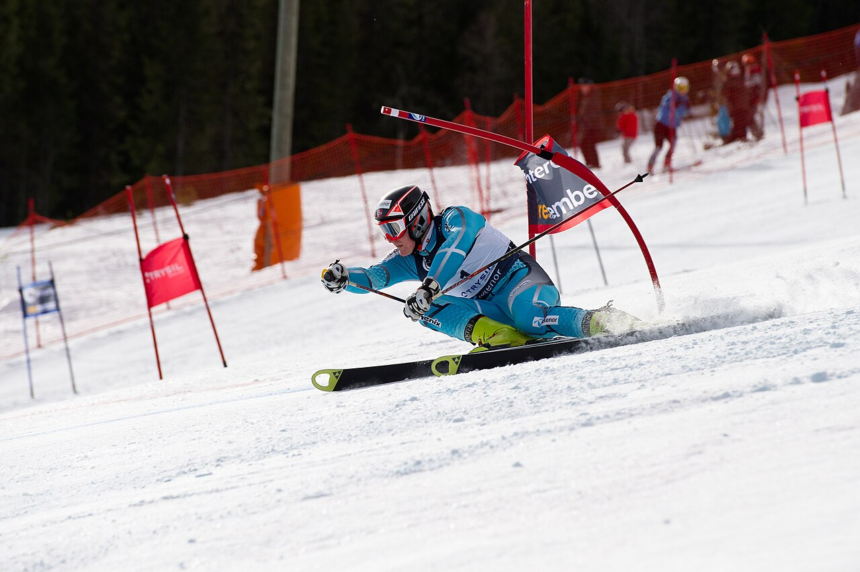
Riesenslalom: The Precision Sport Where Speed Meets Control
In the landscape of alpine skiing, few disciplines balance speed, technical precision, and tactical intelligence as effectively as the riesenslalom—known globally as giant slalom. Positioned between the tight, rapid turns of slalom and the high-speed intensity of Super-G, riesenslalom occupies a distinctive space that tests both the physical and mental limits of elite skiers.
- Understanding Riesenslalom: A Technical Discipline Defined
- Course Design: Where Strategy Begins
- Speed and Performance: Controlled Aggression
- Equipment Evolution: Engineering for Safety and Precision
- A Brief History: From Italy to the Olympic Stage
- Olympic Spotlight: Milano Cortina 2026
- Dominance and Legacy: The Icons of Riesenslalom
- Why Riesenslalom Matters: Beyond the Slopes
- The Future of Riesenslalom
- Conclusion
From its early origins in the Italian Alps to its prominence on the Olympic stage at the Olympic Winter Games Milano Cortina 2026, riesenslalom has evolved into one of the most watched and strategically complex events in winter sports.
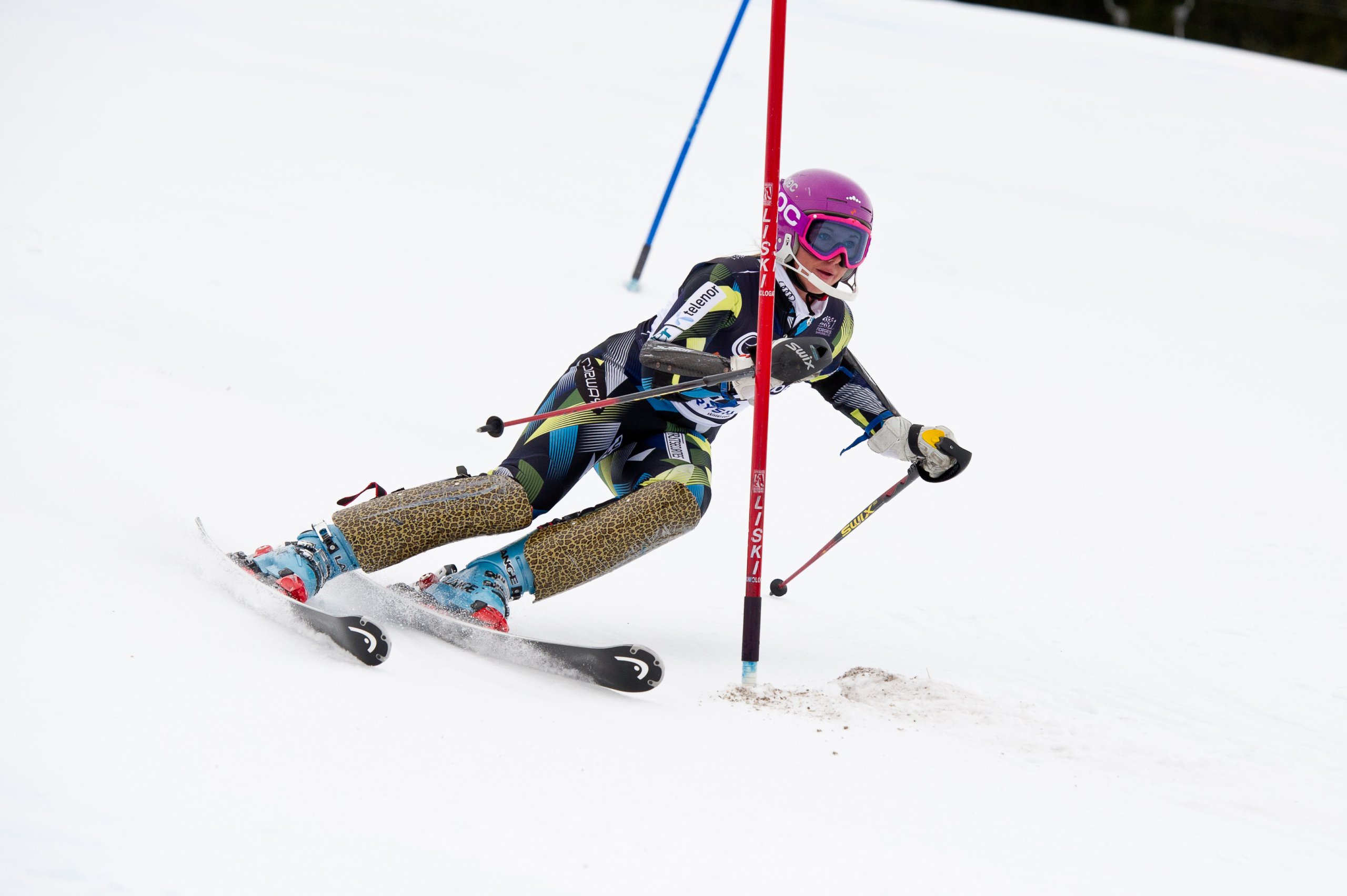
Understanding Riesenslalom: A Technical Discipline Defined
Riesenslalom is categorized as a technical alpine skiing event, where athletes race downhill through a series of gates spaced farther apart than in slalom but closer than in Super-G. This spacing creates a demanding rhythm that requires both speed and precise edge control.
The structure of the race is deliberate:
- Athletes complete two runs, typically on different courses.
- Final rankings are determined by combined times.
- Each run lasts approximately one to one and a half minutes.
Unlike slalom, where rapid direction changes dominate, riesenslalom emphasizes longer, sweeping turns, requiring athletes to maintain balance and momentum across varying terrain.



Course Design: Where Strategy Begins
The course itself is central to the identity of riesenslalom. It is engineered to challenge both technique and endurance.
- Vertical drop ranges from 250 to 450 meters for men and 250 to 400 meters for women
- Courses typically include 56–70 gates for men and 46–58 gates for women
- Direction changes correspond to roughly 11–15% of the vertical drop
These parameters produce a course that is neither purely technical nor purely speed-based, but a hybrid demanding adaptability. Skiers must anticipate terrain changes while maintaining aggressive lines through each gate.
Speed and Performance: Controlled Aggression
While not the fastest alpine event, riesenslalom still reaches significant speeds. Elite competitors can average around 80 km/h, combining velocity with precision .
The defining challenge is not simply speed, but how efficiently that speed is managed:



- Too aggressive, and the skier risks missing a gate
- Too conservative, and valuable seconds are lost
This balance is what separates consistent podium finishers from the rest of the field.
Equipment Evolution: Engineering for Safety and Precision
Riesenslalom equipment has undergone substantial refinement, largely driven by safety considerations and performance optimization.
Key developments include:
- Minimum ski lengths of approximately 193 cm (men) and 188 cm (women)
- Sidecut radius regulations increased over time to reduce injury risk
- Adjustments to ski width and stand height to improve stability
These changes reflect ongoing efforts by governing bodies to reduce injuries while preserving competitive integrity. Equipment design continues to influence racing style, with athletes adapting techniques to match evolving specifications.
A Brief History: From Italy to the Olympic Stage
Riesenslalom traces its origins to 1935, when the first race was आयोजित on the slopes of Mottarone in Italy. Shortly afterward, additional competitions followed in the Dolomite mountains, marking the discipline’s early expansion .
Its competitive trajectory accelerated quickly:
- 1950 – Introduced at the World Championships
- 1952 – Olympic debut in Oslo
- 1960s–1980s – Evolution into a two-run format
- Modern era – Standardized as a one-day event at major competitions
Today, riesenslalom is a permanent fixture in both the Olympics and World Championships, reflecting its enduring appeal.
Olympic Spotlight: Milano Cortina 2026
At the Olympic Winter Games Milano Cortina 2026, the men’s giant slalom delivered a notable podium outcome:
- Gold: Lucas Pinheiro Braathen (Brazil)
- Silver: Marco Odermatt (Switzerland)
- Bronze: Loïc Meillard (Switzerland)
Braathen’s victory was particularly significant, marking a historic achievement for Brazil in alpine skiing—an event traditionally dominated by European nations.
Dominance and Legacy: The Icons of Riesenslalom
Across decades, riesenslalom has produced a lineage of dominant athletes. Among them:
- Ingemar Stenmark – widely regarded as the greatest GS specialist, with 46 World Cup victories
- Marco Odermatt – a modern benchmark of consistency, leading recent World Cup standings
- Mikaela Shiffrin – a dominant figure across multiple disciplines, including GS
The World Cup circuit continues to reflect evolving competition. In the 2026 season, Julia Scheib leads the women’s giant slalom standings with 720 points, followed by Camille Rast and Sara Hector .
Why Riesenslalom Matters: Beyond the Slopes
Riesenslalom’s relevance extends beyond competition results. It plays a central role in:
Athlete Development
It serves as a foundational discipline where skiers refine turning technique, edge control, and race strategy.
Technological Innovation
Equipment regulations and performance demands drive ongoing advancements in ski engineering.
Global Expansion
Recent results—such as Brazil’s gold medal—highlight the sport’s gradual diversification beyond traditional alpine nations.
Spectator Appeal
The balance between speed and technical skill makes riesenslalom accessible and engaging for audiences, particularly during major events like the Olympics.
The Future of Riesenslalom
Looking ahead, several trends are shaping the discipline:
- Increased competitiveness as emerging nations invest in winter sports
- Continued equipment regulation to enhance safety without limiting performance
- Data-driven training using analytics to optimize race strategies
- Greater global visibility through Olympic storytelling and digital platforms
Riesenslalom is unlikely to lose its identity as a technical cornerstone of alpine skiing. Instead, it is evolving—becoming faster, safer, and more globally inclusive.
Conclusion
Riesenslalom stands as a precise intersection of speed, control, and strategy. Its structured courses, demanding technique, and evolving competitive landscape make it one of the most intellectually and physically challenging disciplines in alpine skiing.
From its origins in Italy to its modern Olympic showcases, the sport continues to redefine excellence on snow. As new champions emerge and technology advances, riesenslalom remains a discipline where mastery is measured not just in seconds—but in control, consistency, and composure under pressure.