


Rhulani Mokwena: Rebuilding, Redemption, and a Continental Mission
A New Chapter Begins in North Africa
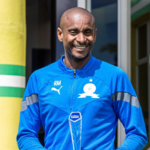
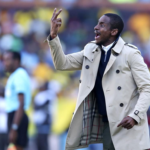
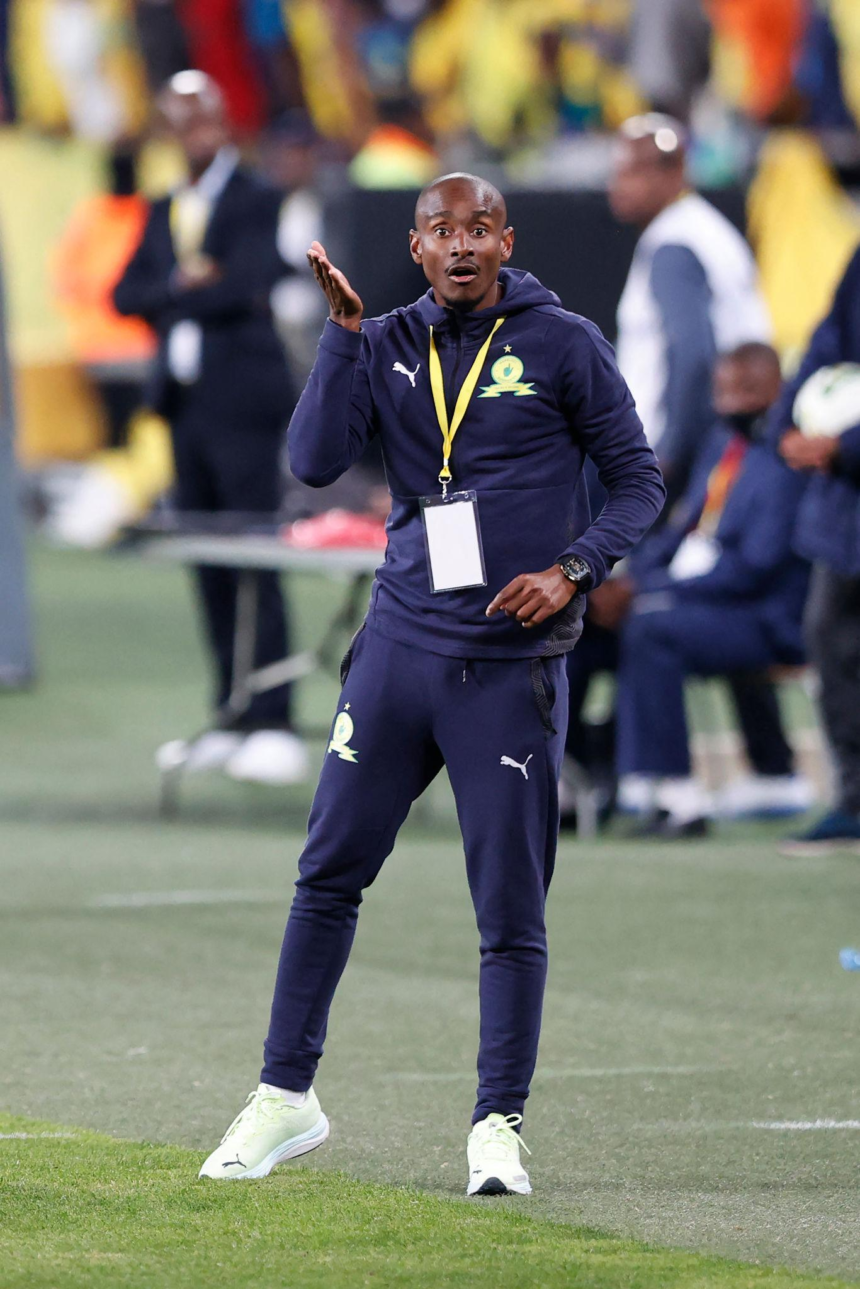
At just 39 years old, Rhulani Mokwena finds himself at a pivotal point in his coaching career—one defined by ambition, controversy, and a relentless pursuit of continental success.
Now leading Al-Ittihad, the former Mamelodi Sundowns FC tactician has embarked on yet another high-stakes assignment. His objective is clear: deliver domestic dominance and, more importantly, conquer Africa’s most prestigious club competition—the CAF Champions League.
This latest move is not just a career transition. It represents a calculated reset after a turbulent period that tested both his professional reputation and resilience.
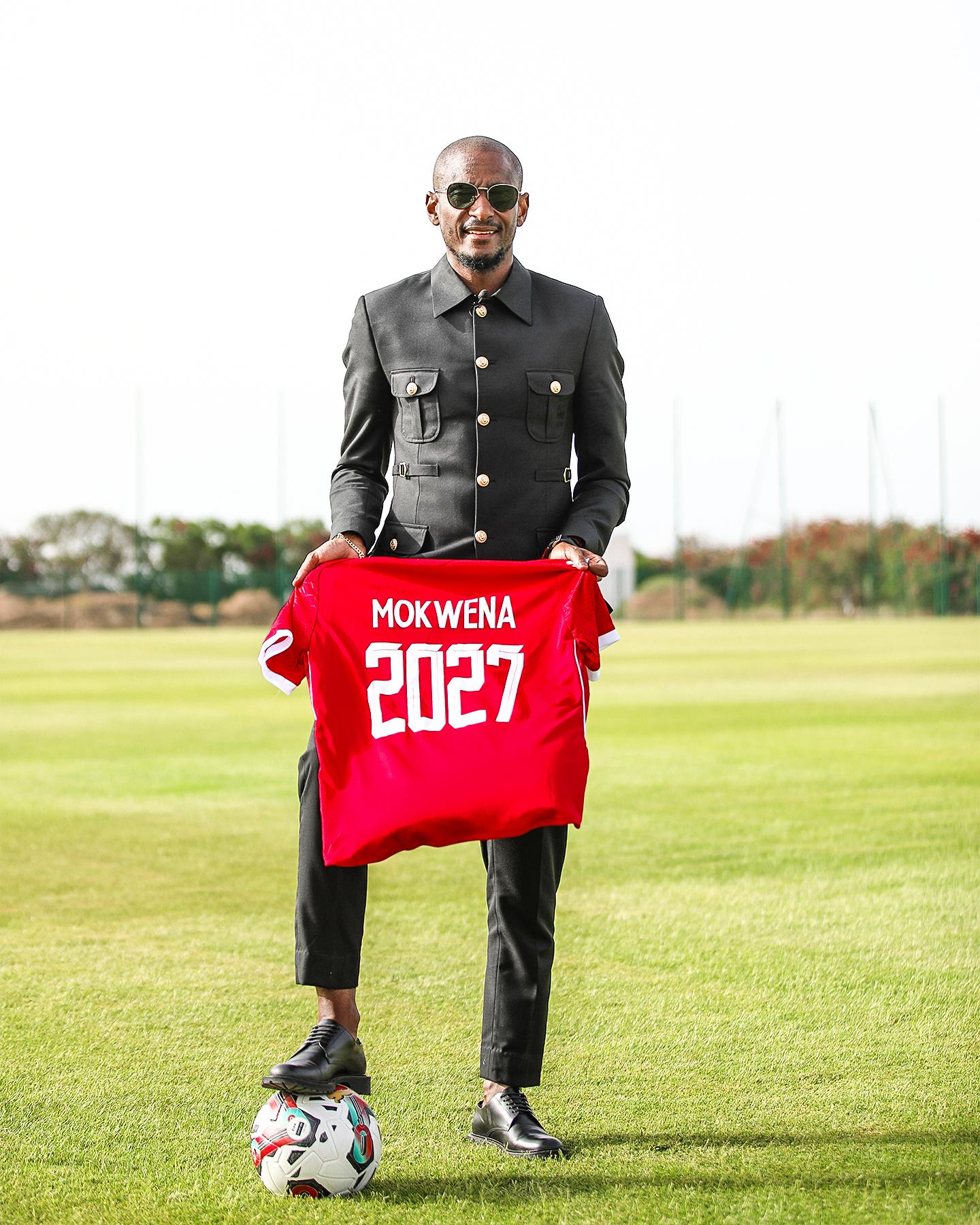
From South Africa to North Africa: A Rapid Coaching Journey
Mokwena’s coaching trajectory has been anything but linear. After his departure from Mamelodi Sundowns, he quickly transitioned into North African football—a region known for its tactical intensity and high expectations.
His first stop was with Wydad Athletic Club in Morocco, a club with a rich continental pedigree. From there, he moved to Algeria to take charge of MC Alger, where he spent eight months in charge.
These moves were not incidental. They positioned Mokwena within the heart of African football’s most competitive ecosystems, offering exposure to diverse tactical styles and high-pressure environments.
However, this period also brought unexpected challenges.
The Algeria Incident: A Controversial Setback
During his exit from MC Alger, Mokwena became embroiled in a legal issue that briefly overshadowed his footballing ambitions.
He was arrested in Algeria for allegedly violating foreign currency regulations. According to official confirmation:
“The embassy in Algiers can confirm that it was notified of the arrest of Mr Rulani Mokwena… who is alleged to have violated Algeria’s foreign currency regulation(s).”
The case centered on Mokwena being found with approximately $15,000 in cash—exceeding the legal limit allowed for travelers in the country.
He later received a fine and a two-month suspended sentence.
Mokwena, however, publicly downplayed the situation, offering his own explanation:
“We were still stuck with the cash… there were four of us, and there was no one else that we could hand over the amount to.”
“I don’t know if you can steal your salary or the money you’ve worked very hard for over nine months.”
Despite the legal implications, the incident did not derail his career trajectory. Within weeks, he secured a new role—this time in Libya.
Building a Technical Identity at Al-Ittihad
At Al-Ittihad, Mokwena is not merely assembling a coaching staff—he is constructing a long-term footballing ecosystem.
One of his first strategic decisions was to bring in Sinethemba Badela, a coach with whom he shares a deep professional history.
Badela’s career path has been eventful. After working with Mokwena at Wydad, he moved through roles at Chippa United and later took charge at Durban City. However, his stint at Durban City ended abruptly after just three matches due to reported internal disagreements.
Despite that setback, Mokwena saw value in continuity and trust.
He explained Badela’s role with clarity:
“We have coach Sinethemba Badela; he will be serving as an assistant coach. You will quickly sense that most of us have dual responsibilities.”
But the appointment goes beyond conventional assistant duties. Mokwena outlined a broader developmental vision:
“Coach Themba will also assist us with the reserve team… he will help bridge the gap… with the induction of youngsters.”
“Our vision is to have many more Libyan players in the first team who come through the club’s academy.”
This indicates a structural approach—one that integrates youth development with first-team performance.
The Strategic Objective: Continental Dominance
While domestic success is expected, Mokwena’s primary benchmark remains the CAF Champions League.
Notably, this is a competition that has eluded him despite involvement with multiple clubs.
The expectation at Al-Ittihad is therefore twofold:
- Establish immediate competitiveness in domestic competitions
- Build a squad capable of sustained continental campaigns
This dual mandate requires tactical adaptability, squad depth management, and long-term planning—areas where Mokwena’s recent experiences could prove decisive.
A Broader Football Context: Lessons from the Past
Mokwena’s previous encounters in African competitions provide important context.
For instance, during his tenure at Sundowns, his team faced tactical battles against sides like Espérance de Tunis—highlighting the competitive standard required to succeed at the highest level.
These experiences, including defeats in key knockout stages, have shaped his tactical philosophy and reinforced the importance of marginal gains in elite competitions.
The Human Factor: Trust, Loyalty, and Continuity
One of the defining features of Mokwena’s approach is his emphasis on trusted collaborators.
The inclusion of Badela reflects:
- A preference for familiar tactical frameworks
- Confidence in shared footballing philosophies
- A willingness to rehabilitate careers disrupted by external factors
In an industry often driven by short-term results, this approach signals a more cohesive and long-term strategy.
What Comes Next?
Mokwena’s tenure at Al-Ittihad will likely be judged on three key metrics:
- Tactical Identity – Can he impose a distinct playing style in a new environment?
- Player Development – Will the integration of academy players translate into first-team success?
- Continental Performance – Can he finally secure a CAF Champions League title?
The margin for error is narrow. North African clubs operate in high-pressure ecosystems where results are scrutinized intensely.
Conclusion: A Career Defined by Reinvention
Rhulani Mokwena’s journey reflects a modern coaching narrative—one characterized by rapid mobility, high expectations, and constant reinvention.
From South Africa to Morocco, Algeria, and now Libya, his career path illustrates both ambition and resilience. The recent controversies, rather than defining him, appear to have accelerated his transition into a new phase.
At Al-Ittihad, the stakes are unambiguous. Success will not only validate his tactical credentials but also position him among the elite coaches in African football.
Failure, on the other hand, would reinforce the perception of unfulfilled potential.
For now, the focus remains on execution—building a team, nurturing talent, and pursuing the one title that continues to define his ambitions.